
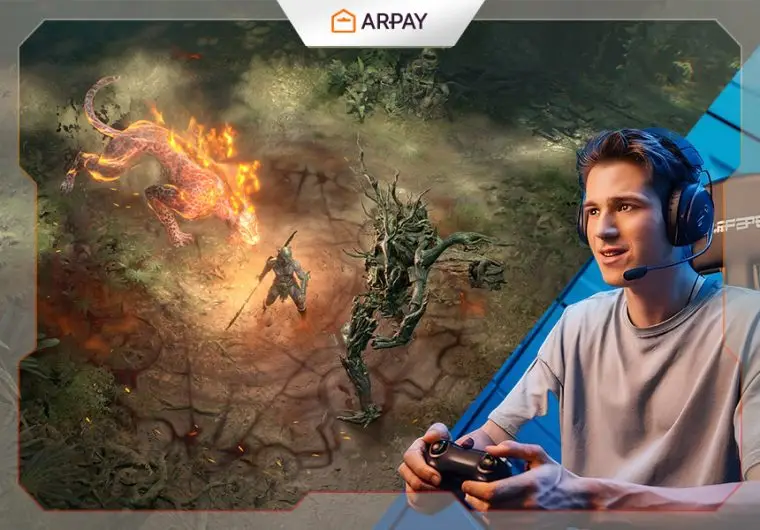
Welcome to part three of our guide, where we’ll crack the code of RPG mechanics and share some game-changing tips that’ll transform you from rookie to pro.
In our previous guides, we covered most of the game genres out there. Now it’s time to dig into the meat of RPGs – we’re talking combat systems, resource management, and character builds that’ll make your gaming sessions much more rewarding.
this guide packs everything you need to step up your game. We’ll look at practical strategies that work across different RPG styles, plus some lesser-known tricks that’ll give you an edge.
If you’re new to this series, check first part 1 and part 2.
Understanding RPG Game Mechanics
First, Let’s break down the core systems that’ll make you a better player. These fundamentals work in pretty much every RPG out there, fromFinal Fantasy to Diablo.
Combat System Basics
Combat feels overwhelming at first, but it clicks once you notice the patterns. Here are some tips to recognize this patterns:
- Mastering Essential Combat Strategies: Starting with combat basics makes everything easier down the road. Learn to block and dodge first – these moves work in almost every fight. Think of it like building a house: you need a solid foundation before adding fancy decorations.
- Timing Your Attacks: Timing changes everything in battles. Watch for that split second when enemies drop their guard or finish an attack chain. That’s your moment to strike. Most games give you a small window where your hits deal extra damage.
- Understanding Damage Types: Different attacks pack different punches. Physical hits work great against unarmored foes, while magic tears through shields. Mix up your damage types – when fire spells stop working, try ice or lightning instead.
- Utilizing Party Position Tactics: Build your team like a puzzle where each piece fits perfectly. Mix damage dealers with supporters. Pair tank abilities with healer skills. Good teams cover each other’s weak spots. Also, Your team’s position matters more than you’d think. Keep your healers in the back row where they’re safe. Put your tanks up front to soak up hits. Smart positioning turns tricky fights into easy wins.
- Reading Enemy Patterns: Every enemy has a tell – a small sign that shows what they’ll do next. A dragon rearing back? Fire breath incoming. A swordsman stepping sideways? Get ready to parry. Learning these signs keeps your team alive.
- Managing Status Effects: Status effects can make or break your strategy. Getting slowed down? Use a speed boost spell to counter it. Fighting a tough boss? Try weakening their armor first. Good status management often decides who wins.
Resource Management Skills
Items work best when you use them smartly. Don’t wait for the final boss to use those power-ups.
Pop that strength potion during regular fights to finish them faster and save healing items. Here are some tips to manage your Resources like a pro:
- Use Resources wisely: Don’t hoard those special potions forever – using them at the right moment often prevents a game over screen. Keep a healthy stock of basic healing items, but sell the rest for extra cash.
- Money and Currency Tips for Beginners: Smart spending keeps your wallet healthy. Sell duplicate gear, but keep one spare set. Look for shops with discount days. Some merchants pay extra for specific items – remember who wants what.
- Organizing Your Inventory Like a Pro: Keep your inventory clean and sorted. Group similar items together. Put healing stuff on quick-select. Nothing worse than digging through menus while a boss is charging at you.
- Strategizing Around Save Points: Save points tell you something big is coming. Perfect time to check your gear, heal up, and maybe grind a few levels if you’re feeling weak. They’re your planning stations, not just checkpoints.
Character Building Fundamentals
Think about how everything works together. Load up on stamina if you like dodging. Stack intelligence for bigger spells. Your build should match how you play. Here are some tips to build the right character for you:
- Health, Mana, and Stamina Optimization: Balance your stats based on your role. Healers need magic points more than attack power. Tanks should focus on health and defense. Mix in some speed or luck for variety.
- Skill Point Allocation: Put skill points where they count. Pick abilities that cover your weaknesses or boost your strengths. Skills that work together deal more damage than random powerful moves.
- Selecting the Right Equipment: Gear matters as much as skills. A weaker weapon with bonus effects often beats a stronger plain one. Match your equipment to your fighting style.
- Class Synergy = Winning: Team synergy makes or breaks tough fights. Pair a tank’s taunt ability with a mage’s area spells. Match a thief’s speed debuffs with an archer’s critical hits. Look for skills that work together and create your own winning combinations.

Pro Tips for Beginners
playing smart beats playing hard. These tips will help you handle challenges without the frustration that makes many new players quit
Combat Success Starts with Observation
- Watch how enemies move before you strike. Each monster has specific tells – maybe they lean back before a big hit or glow before casting magic. Spotting these signs helps you dodge or block at the right moment.
- Some players rush in swinging their weapons wildly – that’s a quick way to lose. Take five seconds to study your opponent. Those few moments make the difference between victory and loading your last save file.
Resource Management Made Simple
- Keep tabs on your stats bar – it’s right there for a reason. Running out of health or magic during a tough fight will send you back to town empty-handed.
- Stock your inventory with healing items, but here’s the trick: carry just enough. Ten health potions work better than fifty – they take up less space and leave room for rare loot. Plus, you’ll save money for better gear.
Level Up Like a Pro
- Want to gain levels fast? Focus on one or two main stats instead of spreading points everywhere. A warrior with maxed-out strength beats one with average scores across the board.
- Money comes easier when you know where to look. Sell extra equipment, take on monster hunts, or complete side tasks for merchants. Pick tasks that match your current level – you’ll finish them faster and rack up rewards.
- Choose a class that feels natural to play. If you love casting spells, don’t force yourself to be a warrior just because someone said it’s easier. You’ll progress faster playing a style you actually enjoy.
Smart Quest Handling
- Keep your quest log organized. Handle tasks in nearby areas together – it saves time running back and forth. Some quests give better rewards than others, so check what you’ll get before spending hours on them.
- Many players skip optional quests, missing out on unique items and extra experience. Mix main story missions with side content. This keeps the game fresh and helps you level up naturally.
- Found a tough puzzle? Look for clues in the environment – notes, markings, or patterns often point to solutions. Writing down hints helps when you’re stuck.
Winning Strategies for Any RPG
Want to succeed in any RPG? Let’s talk about methods that work every time, no matter which game you pick up.
- Exploration Is Key: be thorough in your search. Every corner might hide valuable loot or an interesting quest. Those shiny spots in dark caves? That odd-looking tree in the forest? Check them all. RPGs love to reward players who take their time looking around.
- Map is your best friend: mark spots that look interesting but you can’t reach yet. Maybe you’ll need a special ability or item to get there later. And speaking of later, old areas often change as the story moves forward. A locked door from chapter one might open up in chapter three, leading to cool rewards.
- Build Your Team Wisely: When it comes to building your team, think like a coach. You need your heavy hitters, your protectors, and your healers. A team of just damage dealers looks cool but falls apart quickly. Mix it up – pair your warrior with a healer, add some magic users for range, and keep a support character ready for tough fights.
- Focus on Story Progression: The story deserves your attention too. Those long conversations between characters? The notes scattered around the world? They’re not just for show. Often, they drop hints about:
– Where to find powerful equipment
– How to beat tough bosses
– Solutions to tricky puzzles
– Shortcuts through difficult areas
Take your time with side quests. These smaller stories often give you useful items, extra experience points, and sometimes reveal important plot points you’d miss otherwise. Plus, they help you practice game mechanics without the pressure of main story missions.
Remember: slow and steady wins in RPGs. The game’s main story will always be there, but missing out on hidden content? That’s harder to fix later.
Mistakes to Skip: What Every RPG Rookie Should Know
Look, we’ve all been there – rushing into that high-level area thinking “I can handle this,” only to meet a swift game over screen. Let’s talk about the common pitfalls that trip up new RPG players and how to dodge them.
Taking on Too Much, Too Soon
Here’s the thing about RPGs – that intimidating monster in the distance? It’s probably meant to be intimidating for a reason.
Start with enemies that match your level. Those skull icons or red-level markers next to enemy names? They’re trying to tell you something important: “not yet.”
Take your time building up strength. RPGs reward steady progress more than bold rushes into danger. Think of it like learning to cook – you start with basic recipes before attempting a five-course meal.
Skipping Past the Basics
“Yeah, yeah, I know how to play games,” might be your first thought when tutorials pop up. But hold on – each RPG has its own quirks and systems.
Those early tutorials aren’t just teaching you which button swings your sword. They’re showing you unique mechanics that could save your life ten hours later.
Give those training sections five minutes of attention. They might reveal a perfect dodge technique or a special combo that becomes crucial in tough battles.
Getting Buried Under Items
nobody needs fifty healing potions when your bag only holds sixty items total. I’ve seen countless players struggle because they can’t part with their collection of “maybe useful later” stuff.
Keep it simple:
- Hold onto healing items you actually use
- Store upgrade materials for your current gear
- Sell common items that you can easily buy back
- Keep rare stuff that’s truly special
Sort your inventory regularly. Nothing worse than frantically searching for that last health potion while a boss is charging up their ultimate attack.
Remember, these mistakes aren’t failures – they’re part of learning. What matters is spotting them early and adjusting your approach. Your RPG experience will feel much smoother once you’ve got these basics down.
Conclusion
RPGs pack tons of excitement, and mastering them takes time, practice, and know-how. Start with the basics – smart combat moves, careful resource planning, and solid character builds. The tricks shared here will help you handle any RPG that comes your way.
Think of each game as a chance to test these skills. Mix up your tactics, keep your supplies ready, and pay attention to how your characters grow. Most importantly, take your time to learn what works best for you.
Remember, every pro player started right where you are now. Keep practicing these fundamentals, and soon enough, you’ll handle any RPG like it’s second nature. See you in part 4, where the real fun begins!
With ARPAY store you can enjoy playing hundreds of RPG games on PC, Xbox, and PlayStation via e-gift cards.

FAQs
What game started the RPG genre?
The first commercially available role-playing game, Dungeons & Dragons (D&D), was published in 1974 by Gygax’s TSR which marketed the game as a niche product. Gygax expected to sell about 50,000 copies.
What is the best role-playing game for beginners?
One of the best role-playing games for beginners is Dungeons & Dragons (5th Edition). It is known for its easy-to-understand rules and straightforward gameplay, making it ideal for those new to the genre.
What is the hardest role-playing video game?
Dark Souls is considered one of the hardest role-playing video games. It is renowned for its challenging gameplay and high difficulty level, requiring players to have strong strategic skills and a great deal of patience.

Hager Hesham
Content Writer and your go-to gaming expert. I'm here to share my best practices, valuable strategies, and professional gamer guidance. Also, I'm a gem hunter for the best deals and gift cards, just to enjoy games at almost zero cost with AR-pay.