
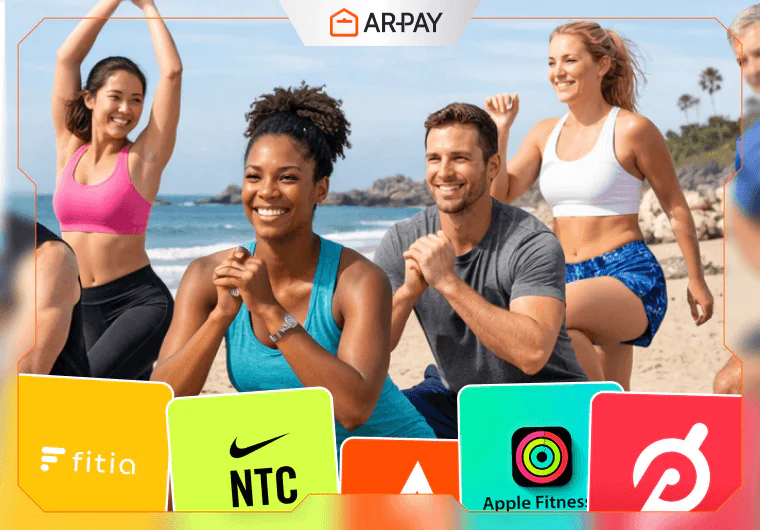
Your phone just became your personal trainer, nutritionist, and accountability partner. Fitness apps in 2026 use AI to learn your habits, adapt to your progress, and keep you motivated when life gets busy.
- Fitia: AI-Powered Nutrition & Fitness Coach
- Nike Training Club: Professional Workouts Anywhere
- Strava: Social Fitness & Performance Tracking
- Apple Fitness+: Seamless iPhone & Apple Watch Integration
- Peloton: Immersive Training Experience
- Jefit: Strength Training & Gym Logging
- MyFitnessPal: Nutrition & Calorie Tracking
- BetterMe: Beginner-Friendly Fitness & Wellness
- Future: Personal Training
- Centr: Chris Hemsworth’s Fitness & Lifestyle App
- Key Features That Make These Apps Stand Out
- Conclusion
- FAQs
This guide breaks down the top 10 fitness apps that can actually help you hit your 2026 goals. From AI-powered nutrition coaches to community-driven running platforms, there’s something here for every fitness level and lifestyle.
Fitia: AI-Powered Nutrition & Fitness Coach

Fitia takes the guesswork out of balancing diet and exercise. The app creates personalized meal plans based on your dietary preferences, fitness goals, and even your schedule. Hate cooking elaborate dinners after work? Fitia adjusts your plan accordingly.
Key Features:
- Custom workout routines that evolve as you get stronger
- AI tracking that notices patterns in your progress
- Meal suggestions that account for your taste preferences
- Integration between nutrition and training goals
The AI component isn’t just marketing speak here. Fitia actually adapts your recommendations based on real results. If you’re losing weight too quickly or not seeing muscle gains, the app recalibrates your calorie targets and training intensity. It’s like having a coach who’s always watching your back without the hefty personal training fees.
Nike Training Club: Professional Workouts Anywhere
Nike Training Club delivers trainer-led workouts without requiring a gym membership or fancy equipment. The app offers hundreds of guided sessions across strength training, HIIT, yoga, and mobility work. Whether you have 15 minutes or a full hour, there’s a workout ready to go.
What Makes It Stand Out:
- Free access to most workout programs
- Clear video demonstrations from professional trainers
- Options for all fitness levels, from complete beginners to athletes
- Seamless sync with Apple Health and various fitness wearables
The variety keeps things fresh. One day you might tackle a bodyweight strength circuit, the next a restorative yoga flow. The app doesn’t lock you into a rigid program, giving you flexibility to match workouts to your energy level and schedule. For people who get bored easily or travel frequently, this flexibility matters.
Read More: Check out the 5 best fitness apps for Android
Strava: Social Fitness & Performance Tracking
Strava dominates the endurance sports world for good reason. Runners and cyclists love the GPS tracking that maps every route, records your pace, and breaks down performance metrics in detail. But the social features are what keep people coming back.
Core Strengths:
- Accurate GPS tracking for outdoor activities
- Segment leaderboards that turn regular routes into competitions
- Activity feeds where you can cheer on friends and share achievements
- Detailed analytics on pace, elevation, and heart rate zones
The community aspect transforms solo runs into social events. You’ll find yourself pushing harder to beat your friend’s time on a local segment or trying new routes others have posted. For competitive personalities, this gamification creates powerful motivation. Even casual users appreciate the encouragement that comes from posting a tough workout and seeing supportive comments roll in.
Apple Fitness+: Seamless iPhone & Apple Watch Integration
If you’re already invested in Apple’s ecosystem, Fitness+ makes perfect sense. The service streams studio-quality workout classes directly to your iPhone, iPad, or Apple TV. Classes span cycling, rowing, HIIT, strength, yoga, dance, and more.
What Sets It Apart:
- Real-time metrics displayed on screen during workouts
- Automatic syncing with Apple Watch for accurate tracking
- New classes added weekly across multiple disciplines
- Motivating instructors with diverse teaching styles
The integration is genuinely seamless. Your heart rate, calories burned, and activity rings appear right on screen as you work out, creating instant feedback that pushes you harder. The instructors bring energy without being annoying, and the production quality makes you feel like you’re in an actual fitness studio. The subscription requires an Apple Watch to unlock full features, but for existing users, it’s a natural extension of the devices they already own.
Peloton: Immersive Training Experience

Peloton built its reputation on high-end stationary bikes, but the app now offers far more than cycling classes. You can access live and on-demand workouts for running, strength training, yoga, meditation, and stretching. No bike required.
Signature Features:
- Live classes with real-time leaderboards
- Vast library of on-demand content across disciplines
- Energetic instructors who build loyal followings
- Community features that create accountability
The leaderboard system taps into competitive instincts. Even though you’re working out alone, seeing your name climb the rankings during a live class creates genuine excitement. The instructors become familiar faces you look forward to seeing, building a connection that makes you show up consistently. Peloton works especially well for people who thrive on high-energy group fitness vibes but can’t always make it to actual classes.
Jefit: Strength Training & Gym Logging

Jefit targets serious strength trainers who want detailed tracking of every set, rep, and weight progression. The app provides workout templates for different goals or lets you build custom routines from scratch.
Why Gym-Goers Love It:
- Set-by-set logging with rest timers
- Exercise library with proper form demonstrations
- Progress charts showing strength gains over time
- Community features to share routines and compete on leaderboards
The tracking granularity appeals to people who take lifting seriously. You can see exactly when you hit a new personal record or identify which exercises have plateaued. The rest timer keeps workouts efficient by preventing excessive breaks between sets. For anyone following a structured strength program, Jefit handles the logistics so you can focus on the actual work.
MyFitnessPal: Nutrition & Calorie Tracking
MyFitnessPal remains the gold standard for food logging. The database contains millions of foods, making it easy to track everything from homemade meals to restaurant orders. Barcode scanning speeds up the process even more.
Core Benefits:
- Massive food database with accurate nutritional info
- Calorie and macronutrient tracking for specific goals
- Recipe builder for tracking home-cooked meals
- Integration with most fitness apps and wearables
The app shines by making nutrition visible. Many people have no idea how many calories they actually consume until they start logging. That awareness alone drives better food choices. The integration with fitness trackers creates a complete picture of calories in versus calories out, essential for anyone trying to lose weight, gain muscle, or maintain their current physique.
BetterMe: Beginner-Friendly Fitness & Wellness
BetterMe removes the intimidation factor from starting a fitness journey. The app offers gentle workout programs, simple meal plans, and mental wellness resources designed for people who feel overwhelmed by intense fitness culture.
What Makes It Accessible:
- Short workouts that fit busy schedules
- Pilates and low-impact exercise options
- Meal ideas that don’t require culinary skills
- Positive messaging that builds confidence
The approachable tone matters for beginners who might quit more demanding apps. BetterMe meets you where you are rather than expecting you to immediately become a fitness enthusiast. The variety of content, including meditation and sleep stories, recognizes that wellness extends beyond just exercise and diet.
Future: Personal Training

Future connects you with an actual human coach who designs your workouts and checks in regularly. You get the accountability of personal training through an app interface, making it more affordable than traditional in-person sessions.
Unique Approach:
- Real coaches who learn your goals and limitations
- Custom workout plans that adjust based on feedback
- Regular check-ins via messaging
- Form reviews through video submissions
The human element solves the motivation problem many people face with app-only solutions. Knowing your coach expects to hear from you creates accountability that keeps you consistent. The personalized attention means workouts actually match your current fitness level and progress at an appropriate pace. It costs more than fully automated apps but less than traditional personal training.
Centr: Chris Hemsworth’s Fitness & Lifestyle App

Centr takes a holistic view of health by combining workouts, meal plans, and mindfulness practices. Created with input from Chris Hemsworth’s training team, the app offers content from multiple expert trainers, chefs, and wellness coaches.
Complete Health Package:
- Diverse workout styles from different specialist trainers
- Meal plans with recipes for various dietary preferences
- Meditation and mindfulness sessions
- Educational content on fitness and nutrition principles
The celebrity connection adds aspirational appeal, but the content quality stands on its own. Having multiple trainers means you’re not stuck with one teaching style or workout approach. The emphasis on recovery and mental health alongside physical training reflects a more mature understanding of sustainable fitness.
Key Features That Make These Apps Stand Out
The best fitness apps in 2026 share several characteristics that separate them from basic workout trackers.
AI Personalization: Generic programs don’t work for everyone. Smart apps now adjust recommendations based on your specific progress, preferences, and even daily energy levels. This customization increases the likelihood you’ll stick with your plan long-term.
Community Engagement: Working out alone gets boring. Features like challenges, leaderboards, and social sharing tap into human competitive instincts and desire for connection. Seeing friends crush their goals motivates you to do the same.
Cross-Platform Integration: Your fitness data shouldn’t live in silos. The best apps sync with wearables, health platforms, and other fitness tools to create a complete picture of your wellness journey.
Holistic Approach: Fitness isn’t just about sweating through workouts. Top apps recognize the importance of nutrition, sleep, stress management, and recovery. This comprehensive view leads to better, more sustainable results.
Conclusion
Fitness apps in 2026 have evolved into sophisticated wellness platforms that address the real challenges people face. They’re smarter, more motivating, and better at helping you build sustainable habits than ever before.
Choosing the right app depends on your specific goals and situation. Runners and cyclists will love Strava’s social features. Apple users get seamless integration with Fitness+. Beginners might prefer BetterMe’s gentle approach, while serious lifters need Jefit’s detailed tracking. People who struggle with motivation could benefit from Future’s human coaching.
The common thread is that all these apps remove barriers that traditionally stopped people from getting fit. No gym membership required. No need to research workout programs. No guessing about nutrition. Just download, start, and let the app guide you toward your best shape in 2026.
Ready to upgrade your fitness gear? Get your Apple or Google Play gift cards from ARPay today and unlock premium features on these top fitness apps. Whether you’re choosing Apple Fitness+ or Peloton.
ARPay makes it easy to access the subscriptions that will transform your health this year.

FAQs
Which fitness app is best for complete beginners?
BetterMe stands out for people just starting their fitness journey. The app offers short, manageable workouts that don’t require existing fitness knowledge or equipment. The supportive messaging and flexible scheduling make it less intimidating than intense programs.
Nike Training Club also works well for beginners since you can filter workouts by difficulty level and the video demonstrations clearly show proper form.
Can fitness apps really replace a gym membership?
For many people, yes. Apps like Nike Training Club, Apple Fitness+, and Peloton provide comprehensive workout libraries that cover strength training, cardio, flexibility, and more.
You can achieve significant fitness results with bodyweight exercises and minimal equipment at home. However, serious strength trainers who want to lift very heavy weights or people who thrive on the social energy of group classes might still prefer a physical gym. The best scenario for many is using apps to supplement gym workouts or as a backup for busy days.
Are the paid versions of fitness apps worth the subscription cost?
It depends on your commitment level and which features matter to you. Free apps like Nike Training Club and the free tier of Strava offer substantial value without payment. Premium subscriptions typically add features like personalized coaching, advanced analytics, and larger workout libraries.
If you use an app consistently (at least 3-4 times per week), the monthly cost usually works out cheaper than a gym membership or single personal training sessions. Apps like Future cost more but provide human coaching that justifies the price. Try free trials to determine if the premium features actually improve your experience before committing long-term.

Maggi
A content writer who specializes in the entertainment field, developing entertaining and interactive content that resonates with the culture of this field. I keep abreast of current trends, especially in the world of games, movies and shopping.