
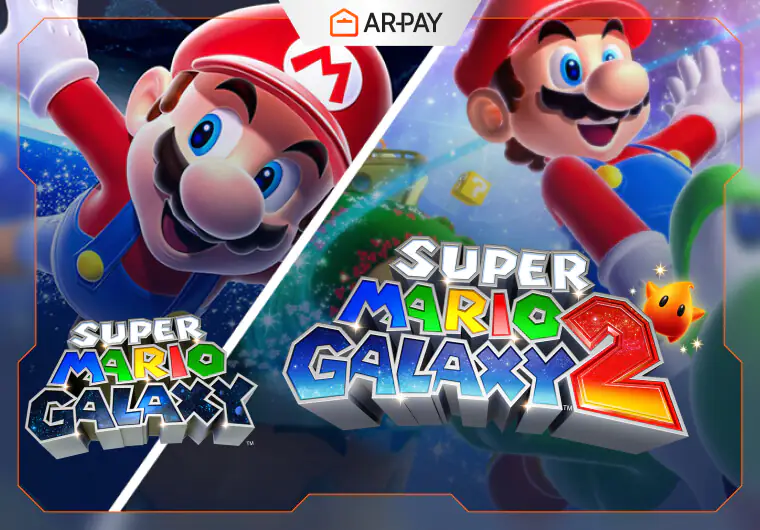
The Super Mario Galaxy series stands as one of Nintendo’s proudest achievements in 3D platforming. Released in 2007 for the Nintendo Wii, the first game took players on a cosmic adventure across miniature planets and gravity-defying worlds.
Three years later in 2010, Super Mario Galaxy 2 arrived as a direct sequel that refined the formula even further.
Both games earned near-perfect scores from critics and remain beloved by fans worldwide. They pushed the Wii hardware to its limits with creative level design and charming visuals. Today, you can experience the original through Super Mario 3D All-Stars on Nintendo Switch, though Galaxy 2 remains exclusive to the Wii unless you explore other options like emulation.
For budget-conscious gamers, understanding which title offers the best value matters. Both games deliver dozens of hours of content, but they take different approaches to storytelling, difficulty, and structure.
Gameplay Mechanics and Innovation
Super Mario Galaxy
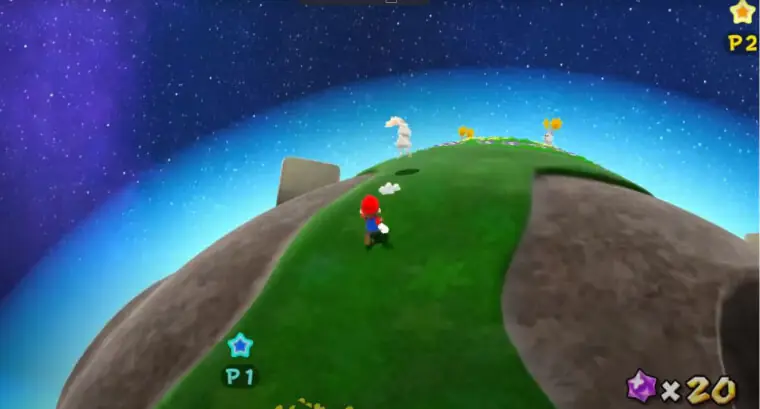
The first game introduced a groundbreaking concept: gravity-based platforming on spherical planets. You could run upside down, leap between tiny celestial bodies, and experience 360-degree movement that felt fresh and exciting.
Key Features:
- Gravity mechanics that let you walk on all surfaces of small planets
- Power-ups like Bee Mario for flying, Boo Mario for phasing through walls, and Ice Mario for skating
- Motion controls using the Wii Remote to collect Star Bits and interact with objects
- The Comet Observatory hub world that encouraged exploration between missions
The hub world gave the game a sense of place. You could talk to NPCs, read Rosalina’s storybook, and watch the observatory grow as you collected more stars. This added breathing room between challenging levels.
Super Mario Galaxy 2
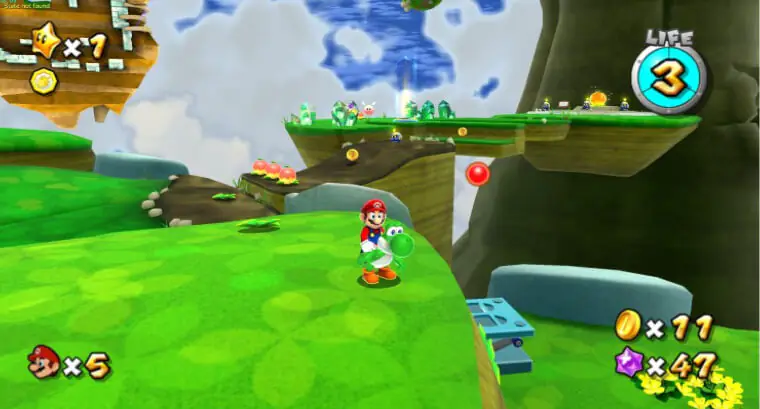
The sequel kept everything that worked while streamlining what didn’t. Levels became tighter and more focused on pure platforming. The game moved faster and demanded more precision from players.
New Additions:
- Yoshi joins as a rideable companion with flutter jumps and tongue-based abilities
- Cloud Mario lets you create temporary platforms in mid-air
- Rock Mario turns you into a rolling boulder to smash through obstacles
- Drill Mario allows you to burrow through dirt and reach hidden areas
The biggest change was ditching the hub world for a traditional world map. You simply pick a level and jump in. This made replaying stages easier and kept the pacing brisk. Some players missed the atmosphere of the observatory, but others appreciated the efficiency.

Visuals and Art Style
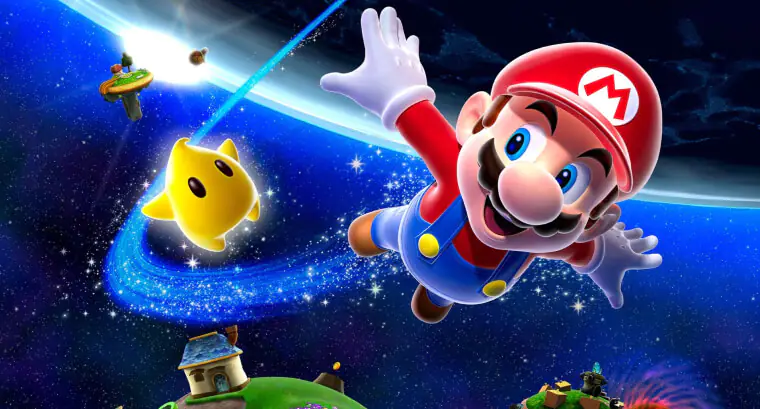
Both games look stunning even by modern standards. The art team created worlds that ranged from tropical beaches to haunted mansions to abstract geometric shapes floating in space. Bright colors pop against the dark cosmic backdrop.
What Makes Them Look Great
- Smooth animations that make Mario’s movements feel fluid and responsive
- Creative use of lighting to highlight paths and create mood
- Diverse biomes that keep each galaxy feeling unique
- Clever camera work that shows off the spherical level design
Galaxy 2 edges ahead slightly with more visual variety. You’ll visit retro-styled 2D sections, race across rainbow roads, and explore alien landscapes that push creativity further. The technical polish is also a bit sharper, with fewer frame drops during busy scenes.
Story and Tone
Super Mario Galaxy
This game tells a surprisingly emotional story. Rosalina, the caretaker of the Comet Observatory, shares her tragic backstory through a picture book you unlock gradually. Her tale of loss and finding purpose adds weight to your adventure.
The tone feels like a cosmic fairy tale. Music swells with orchestral arrangements. Cutscenes show Mario’s concern for Princess Peach and his determination to save her. Even the ending carries emotional heft that most Mario games don’t attempt.
Super Mario Galaxy 2
The sequel strips away most narrative elements. Rosalina barely appears, and the storybook is gone entirely. Bowser kidnaps Peach again, and off you go. The game focuses squarely on gameplay.
This lighter approach suits players who want to jump straight into action. No cutscenes to skip, no dialogue to read through. Just level after level of platforming challenges. The trade-off is losing the first game’s heart and personality.
Level Design and Creativity
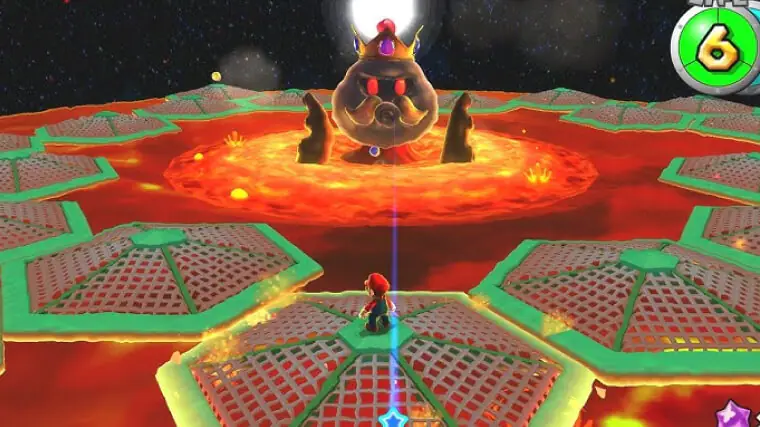
Galaxy 1 offered more exploratory stages where you could wander and discover secrets. Some galaxies felt like mini-adventures with multiple stars hidden in different corners. This gave levels replay value as you returned with new objectives.
Galaxy 2 packed more ideas into smaller spaces. Nearly every stage introduced a fresh mechanic or twist. You might use gravity to walk on walls in one section, then ride a ball through obstacles in the next, then face a creative boss fight to finish.
Notable Examples
- Puzzle Stages: Both games feature brain-teasing levels where you manipulate gravity switches and platforms
- Boss Fights: Galaxy 2 offers more varied bosses with tighter patterns to learn
- Challenge Levels: The sequel’s post-game content pushes skilled players to their limits
- Themed Galaxies: From haunted houses to toy worlds to clockwork mechanisms
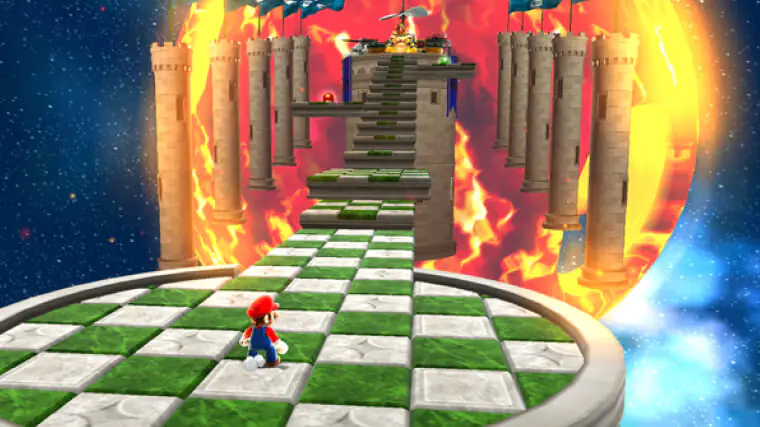
Galaxy 2 wins on pure creativity density. You rarely repeat the same gameplay idea twice. Galaxy 1 sometimes reused concepts across different galaxies, though its levels still feel inventive compared to most platformers.
Controls and Difficulty
Both games control beautifully with the Wii Remote and Nunchuk. The motion controls feel natural rather than gimmicky. Pointing at the screen to collect Star Bits or activate switches works smoothly. Mario responds instantly to your inputs with tight jumps and spins.
Difficulty Comparison
- Galaxy 1: Moderate challenge with occasional spikes
- Galaxy 2: Consistently harder with optional brutal levels
- Accessibility: Both games offer help for struggling players through hint videos
- Completionist Challenge: Galaxy 2’s Green Stars and The Perfect Run test expert skills
If you want value for money, Galaxy 2 lasts longer for skilled players. The base game already demands more precision, and unlocking everything requires serious dedication. Galaxy 1 feels more approachable for casual players or younger gamers.
Which One Is Better?
This depends entirely on what you value in a platformer.
Choose Super Mario Galaxy if you want:
- A story with emotional depth and memorable characters
- A hub world that feels like a home base
- More relaxed pacing with exploration elements
- An entry point for players new to 3D Mario games
Choose Super Mario Galaxy 2 if you want:
- Non-stop creative gameplay with minimal downtime
- Higher difficulty that rewards skilled play
- Yoshi and more diverse power-ups
- Maximum content density in each level
Neither game is objectively better. Galaxy 1 feels more like an artistic statement, while Galaxy 2 plays like a greatest hits collection. Many fans consider playing both essential to get the full experience.
For budget shoppers, Galaxy 1 is easier to access legally through Super Mario 3D All-Stars. Galaxy 2 requires owning a Wii or Wii U, which might involve hunting down used hardware. Check local game stores or online marketplaces for deals on either title.
Read More: Nintendo Switch Error Codes – Complete List and Solutions
Legacy and Availability
These games changed how developers thought about 3D platformers. Their influence shows up in later Nintendo titles like Super Mario Odyssey, which borrowed the spherical planet concept for some of its kingdoms. Other studios studied their level design to understand how to keep players engaged.
Current Ways to Play:
- Super Mario Galaxy: Available on Nintendo Switch via Super Mario 3D All-Stars (limited physical release, check secondhand market)
- Super Mario Galaxy 2: Only playable on Wii or Wii U consoles
- Alternative Options: Emulation on PC, though Nintendo doesn’t officially support this
The exclusion of Galaxy 2 from 3D All-Stars frustrated many fans. Nintendo hasn’t explained why they left it out. Some speculate the game would have pushed the collection’s file size too high or required too much development time to port properly.
Prices for physical copies vary widely. Galaxy 1 through 3D All-Stars typically costs $40-60 new or $30-45 used. Original Wii copies of either game run $15-30 depending on condition. Galaxy 2 specifically tends to hold value better since Nintendo never reprinted it extensively.
Conclusion
Both Super Mario Galaxy games represent Nintendo at its creative peak. The first offers an emotional journey through space with memorable characters and beautiful music. The second delivers relentless creativity and challenge that rewards dedicated players.
If you can only afford one right now, consider your preferences. Want a complete experience with story and atmosphere? Grab Galaxy 1. Do you prefer pure gameplay excitement and tougher challenges? Hunt down Galaxy 2. But ideally, play both eventually to see how they complement each other.
Ready to get your Nintendo eShop cards hassle-free? Visit ARPay now for instant delivery and start downloading your favorite Mario today!

FAQs
Is Super Mario Galaxy 2 harder than the first game?
Yes, Galaxy 2 presents tougher challenges throughout. The base story requires more precise platforming, and optional content like Green Stars and The Perfect Run will test even experienced players. Galaxy 1 offers a gentler learning curve that works better for newcomers or younger players. Both games include assist features if you struggle repeatedly on the same section.
Can I play Super Mario Galaxy 2 on Nintendo Switch?
Not officially. Only the first Galaxy game came to Switch through Super Mario 3D All-Stars. Nintendo hasn’t announced plans to port the sequel. Your options are playing on original Wii hardware, using a Wii U (which plays Wii discs), or exploring unofficial emulation methods.

Hager Hesham
Content Writer and your go-to gaming expert. I'm here to share my best practices, valuable strategies, and professional gamer guidance. Also, I'm a gem hunter for the best deals and gift cards, just to enjoy games at almost zero cost with AR-pay.