

Roblox is more than just a game; it’s a global phenomenon. With a staggering player base numbering in the hundreds of millions, this user-generated content platform has become a digital playground for children and teenagers worldwide.
However, its universal appeal has hit a significant roadblock in the Middle East. In several countries across the region, Roblox has faced outright bans and stringent restrictions, igniting widespread debate on social media among players and parents
This article provides an explanation of this complex situation. We will explore which countries have banned Roblox, dissect the core reasons behind these decisions, analyze the platform’s response, and discuss the profound impact on its dedicated community of players and creators. Finally, we’ll look ahead to what the future might hold for Roblox in this crucial, rapidly growing market.
Countries That Have Banned or Restricted Roblox
The regulatory landscape for Roblox in the Middle East is not uniform. Actions range from complete bans to targeted feature suspensions, reflecting each country’s specific concerns and legal frameworks.
Kuwait: Full Ban
Kuwait implemented a full ban on Roblox, citing direct threats to child safety and exposure to harmful content. The government’s decision was a preemptive measure to protect young users from what it deemed an unsafe digital environment, pointing to the potential for negative influences and inappropriate interactions within the game’s vast user-created worlds.
Algeria: Full Ban 2025
An official decision was issued to ban Roblox in Algeria due to growing concerns over its widespread use among children under the age of ten, amid weak digital protection measures for them.
This move also comes in response to repeated international complaints regarding cases of fraud and child exploitation on the platform. According to local sources, the aim of this step is to strengthen the protection of minors in the digital space and reduce risks linked to online gaming and communication.
Qatar: Community-Driven Ban
In Qatar, the ban followed significant community backlash and parental complaints. Concerns escalated over unsafe interactions for children, particularly within the unmoderated chat features. The government responded to public pressure, concluding that the platform lacked the necessary safeguards to ensure a safe experience for its youngest players.
Turkey: Concerns Over Exploitation
Turkey’s ban was driven by deep-seated concerns about child exploitation and insufficient content moderation. Reports highlighted scenarios where the game could be misused, including virtual worlds with inappropriate themes. The authorities determined that Roblox’s moderation systems were inadequate to prevent such risks, leading to a nationwide block.
Saudi Arabia & UAE: Targeted Restrictions
Unlike their neighbors, Saudi Arabia and the UAE opted for a more nuanced approach. Instead of a full ban, they suspended in-game voice and text chat features. This surgical strike aimed to mitigate the primary risk, unsupervised communication with strangers; while still allowing players to access the games themselves. The move was explicitly designed to protect underage players from potential online predators and cyberbullying.
Other Gulf States: A Climate of Scrutiny
Across other Gulf states, while full bans are not always in place, there have been occasional service disruptions, calls for stricter regulation from public figures, and heightened scrutiny from telecommunication authorities. This indicates a broader regional trend toward demanding greater accountability from global gaming platforms.

Roblox: Main Reasons Behind the Ban
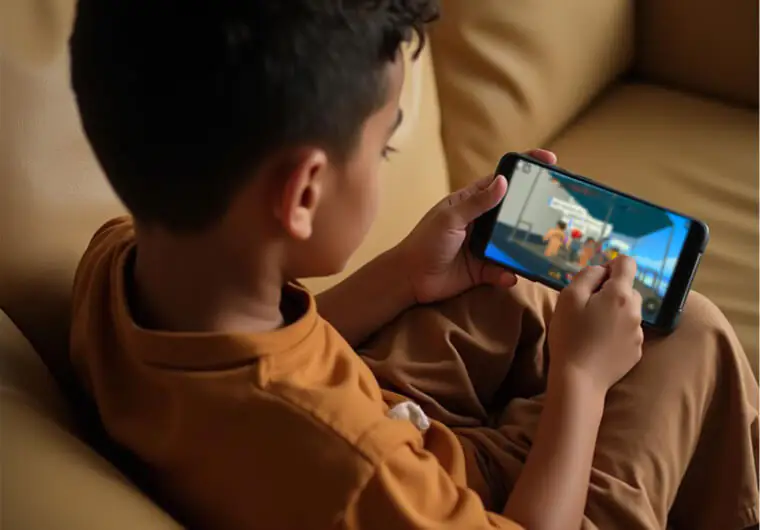
The restrictions on Roblox stem from a convergence of four primary concerns: child safety, moderation failures, cultural clashes, and the inherent risks of open social platforms.
Child Safety & Harmful Content
The number one driver behind the bans is the fear of children being exposed to inappropriate content and predatory behavior. Because Roblox is a platform where users create the content, there’s a constant risk of games or items appearing that contain themes of violence, dating, or other adult subjects. More alarmingly, reports of grooming risks through private messaging and the open chat system created a sense of urgency for regulators to act.
Weak Moderation in Arabic
A critical failure point was Roblox’s difficulty in effectively moderating Arabic content. The language’s complex dialects, cultural nuances, and the common use of “Arabizi” (Arabic written in Latin script with numbers) make automated filtering and human moderation incredibly challenging. The lack of sufficient local moderation teams who understand regional context meant that harmful interactions, bullying, and inappropriate content often slipped through the cracks, leaving children vulnerable.
Cultural & Legal Concerns
Certain user-generated content on Roblox inevitably clashed with the local cultural and religious values prevalent in the Middle East. Themes that are considered acceptable in Western cultures may be viewed as inappropriate or offensive. Governments in the region apply strict laws governing digital media, online interactions, and content deemed contrary to public morals, and Roblox was found to be in non-compliance.
Social Interaction Risks
The core design of Roblox as a social platform, where open chat with strangers is a key feature, raised major red flags. For parents and governments, the idea of children freely communicating with unvetted adults is a significant concern. This is precisely why countries like Saudi Arabia and the UAE targeted the chat features directly, viewing them as the primary vector for risk that needed to be severed to protect minors.
Check this out: The best 6 coloring and drawing apps for kids on iTunes
Roblox’s Response to the Restrictions
Faced with significant market access challenges, Roblox Corporation did not remain silent. The company has taken several steps to address the concerns raised by Middle Eastern governments.
- Immediate Safety Measures: As a direct response, Roblox disabled voice and text chat in certain regions. While this was seen as a drastic measure by players, it was a necessary concession to demonstrate their commitment to safety and as a temporary fix while they developed better solutions.
- Commitment to Better Moderation: The company publicly promised to invest in stronger Arabic moderation tools, including advanced AI and larger, locally-based human moderation teams. This is aimed at better understanding and filtering regional dialects and cultural contexts.
- Government Engagement: Roblox has been actively engaging with governments and regulators in the affected countries. Their goal is to understand the specific legal and cultural requirements and work toward a solution that ensures compliance, hoping to eventually have the bans and restrictions lifted.
Impact on Players & Creators
The bans and restrictions have had a tangible and often frustrating impact on the Roblox community in the Middle East.
- Degraded Player Experience: For players in countries like the UAE and Saudi Arabia, the loss of social features fundamentally changed the game. Roblox is built on interaction, and without chat, the experience became more isolated and less engaging.
- Community Disruption: In countries with full bans, players were completely cut off from their accounts, progress, and digital communities. Friendships and collaborative projects built within the platform were abruptly severed.
- Economic Loss for Creators: The region is home to a growing number of talented game developers and creators who used Roblox to build careers and earn revenue. The bans cut them off from their local audience and created significant uncertainty about their financial future on the platform.
What’s Next for Roblox in the Middle East?
The future of Roblox in the region hangs in the balance, but several potential pathways are emerging. The situation is dynamic, and the outcome will likely be shaped by a combination of technological advancements, policy changes, and collaborative efforts.
- Enhanced Moderation: Expect to see Roblox roll out more sophisticated, Arabic-specific moderation and filtering systems. This is the most critical step toward regaining the trust of regulators.
- Phased Reinstatement of Features: If moderation improves, we may see a potential reinstatement of chat features, but with much stricter safeguards, such as enhanced parental controls, verified age requirements, and more granular filtering options.
- Clearer Digital Content Laws: The Roblox situation may push governments to issue clearer and more detailed digital content laws for gaming platforms, providing a more predictable regulatory environment for companies in the future.
- Increased Community and Parental Role: This episode has served as a wake-up call, and parents and community leaders are expected to play a bigger role in promoting digital literacy and awareness about online safety.
- Potential for Collaboration: The ideal future involves collaborations between Roblox and regional regulators. By working together, they can create a framework that allows the platform to operate safely, respecting local laws and values while restoring access for millions of players.
Conclusion
The Roblox bans and restrictions in the Middle East highlight a critical intersection of global technology, child safety, and local cultural norms. While the platform offers immense creative and social value, its open-ended nature poses significant risks that regulators in countries like Kuwait, Qatar, and Turkey were unwilling to accept.
The more targeted restrictions in the UAE and Saudi Arabia show a potential middle ground, focusing on disabling high-risk features like chat while preserving access to the core gaming experience. Ultimately, the future of Roblox in the region hinges on its ability to build robust, culturally-aware moderation systems and work transparently with governments to restore trust and ensure a safe digital environment for its youngest users.
Navigating the digital world safely is a top priority for parents. While some games face restrictions, many amazing and secure gaming experiences are still available. A great way to manage your child’s gaming budget and protect your financial data is by using prepaid gift cards.
Discover a wide selection of child-friendly gaming gift cards on ARPAY’s secure e-commerce platform and give the gift of gaming with peace of mind!

FAQs
Is Roblox banned in all Middle Eastern countries?
No. The situation varies by country. Kuwait, Qatar, and Turkey have implemented full bans. However, other major markets like Saudi Arabia and the UAE have only restricted specific features, such as in-game voice and text chat, rather than banning the platform entirely.
Can I still play Roblox if I live in the UAE or Saudi Arabia?
Yes. In the UAE and Saudi Arabia, you can still access and play Roblox games. The primary restriction is the suspension of social features like voice and text chat to protect underage users from unsupervised communication.
Why is it so hard for Roblox to moderate Arabic content?
Moderating Arabic is complex due to its many dialects, cultural nuances, and the widespread use of “Arabizi” (Arabic written with Latin letters and numbers). Automated systems struggle to interpret this context, and there has been a shortage of human moderators with the necessary local expertise to effectively police content.
What is Roblox doing to get the bans lifted?
Roblox is actively engaging with regulators in the affected countries. The company has committed to improving its safety measures, particularly by investing in better Arabic moderation technology and hiring more local moderation teams. Their goal is to meet local legal and cultural standards to have the restrictions reversed.

Hager Hesham
Content Writer and your go-to gaming expert. I'm here to share my best practices, valuable strategies, and professional gamer guidance. Also, I'm a gem hunter for the best deals and gift cards, just to enjoy games at almost zero cost with AR-pay.