
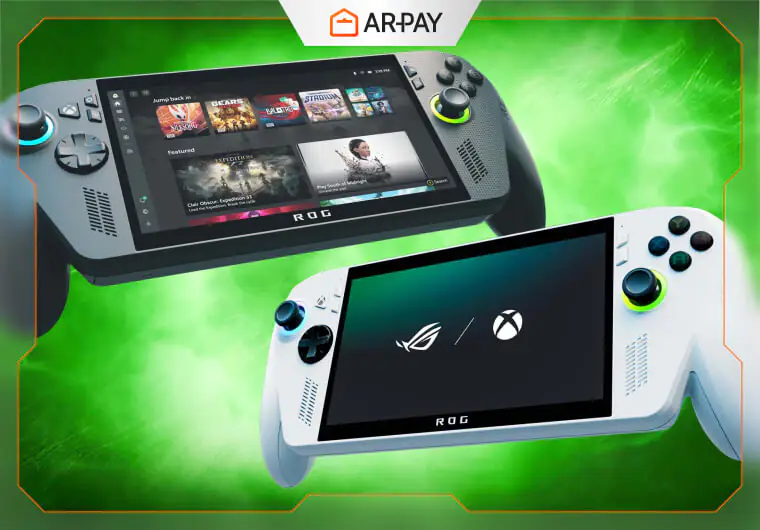
Portable gaming hit a turning point in 2025. Players want full desktop experiences without the desk. They want AAA titles on flights, in coffee shops, or sprawled across their couch. The market responded with Steam Deck, but something was missing: Xbox’s ecosystem brought directly to your hands.
The ROG Xbox Ally series fills that gap. These are the first Xbox-branded handhelds that double as Windows 11 gaming PCs. Microsoft partnered with ASUS to build devices that blur the line between console and portable computer. You get Game Pass integration, Windows flexibility, and hardware that pushes what we expect from handheld gaming.
This article breaks down both models: their specs, real-world performance, pricing decisions, and how they compare to other handhelds. We’ll look at who benefits from the standard Ally versus the beefed-up Ally X, and whether dropping $600 or $1,000 makes sense for your gaming setup.
Background & Announcement
The Microsoft-ASUS Partnership
Microsoft needed hardware expertise. ASUS had years of experience building the ROG Ally line. The partnership made sense: Xbox’s software ecosystem meets ASUS’s track record in gaming hardware. The collaboration produced two devices that carry the Xbox branding while maintaining ASUS’s Republic of Gamers DNA.
Timeline and Rollout
Leaks started circulating months before the official announcement. Pricing rumors ranged wildly, with some sources suggesting Microsoft might subsidize the cost to compete with Steam Deck. Reddit threads and tech forums debated specs based on blurry photos and supply chain whispers.
ASUS finally confirmed the lineup at a press event, revealing both models simultaneously. Preorders opened shortly after, though regional availability varied. Some markets saw immediate listings while others waited weeks.
Pricing Strategy and Market Forces
IGN’s coverage highlighted something crucial: macroeconomic factors shaped the final pricing. Tariff uncertainty, supply chain costs, and component availability all pushed these devices toward higher price points than early rumors suggested. The $599.99 and $999.99 tags reflect the reality of building premium handhelds in 2025, not just arbitrary markups.

Technical Specifications & Key Differences
Shared Features
Both models share core elements that define the ROG Xbox Ally experience:
- Display: 7-inch FHD (1920×1080) screen with 120Hz refresh rate and FreeSync Premium support
- Operating System: Windows 11 with Xbox Full Screen UI integration for seamless console-like navigation
- Design Philosophy: Ergonomic controller-style grips, comfortable weight distribution, and intuitive button placement
The screens deliver smooth visuals whether you’re playing competitive shooters or exploring open worlds. FreeSync eliminates screen tearing, and the 120Hz panel keeps motion fluid. Windows 11 gives you access to Steam, Epic Games Store, and Game Pass, while the Xbox UI mode provides a console experience when you want to lean back and play.
ROG Xbox Ally (Standard Model)
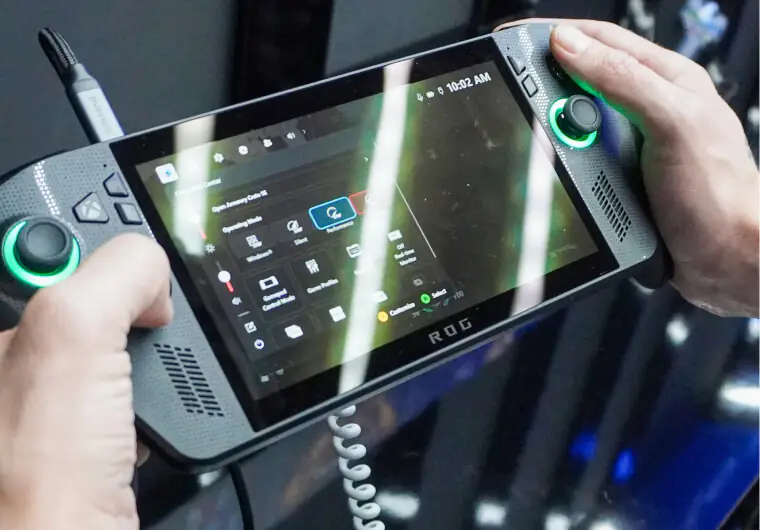
The base Ally targets gamers who want solid performance without flagship costs.
Core Specifications:
- Processor: AMD Ryzen Z2 A
- Memory: 16 GB LPDDR5X RAM
- Storage: 512 GB NVMe SSD
- Battery: Approximately 60Wh capacity
- Price: $599.99
The Ryzen Z2 A handles most modern games at medium to high settings. It sips power compared to desktop chips, stretching battery life during less demanding titles. The 16GB RAM keeps multitasking smooth, and 512GB storage fits several AAA games before you need to manage space.
This model works for players who game in sessions rather than marathons. Battery life lasts around 3-4 hours under heavy load, longer during lighter games or streaming. Ports include USB-C for charging and data, plus a microSD slot for storage expansion.
ROG Xbox Ally X (High-End Model)
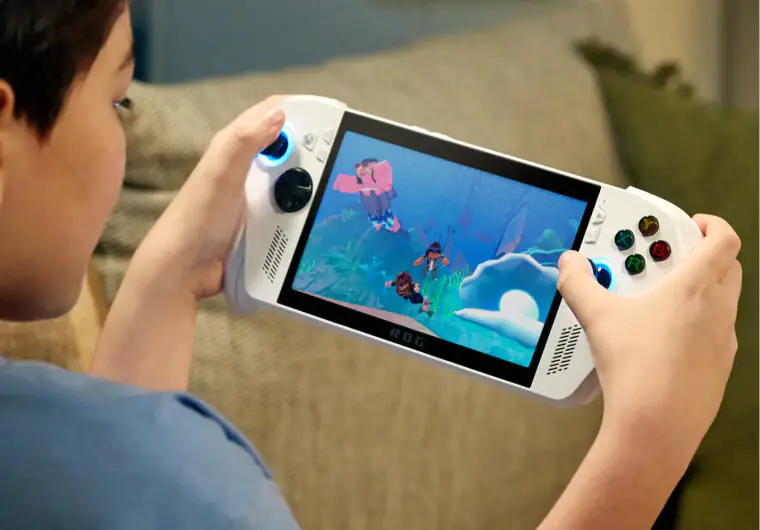
The Ally X caters to enthusiasts who want maximum performance and future-proofing.
Premium Specifications:
- Processor: AMD Ryzen AI Z2 Extreme (includes NPU for AI-driven features)
- Memory: 24 GB LPDDR5X RAM
- Storage: 1 TB NVMe SSD
- Battery: Approximately 80Wh capacity
- Price: $999.99
The Z2 Extreme chip pushes higher frame rates and handles demanding titles at ultra settings. Its neural processing unit enables AI upscaling, frame generation, and smart battery management. The extra 8GB RAM future-proofs the device as games grow more resource-hungry.
That 80Wh battery changes the game. You gain roughly 30-40% more playtime compared to the standard model, meaning 4-6 hours of intensive gaming. The Ally X also features impulse triggers that vibrate based on in-game actions, enhanced haptics for better feedback, and improved cooling solutions to manage the extra power.
Looking for more remarkable games? Explore some of Xbox gems: Top Xbox Picks for The Year!
Pricing, Availability & Preorders
Final Retail Prices
ASUS confirmed the following MSRPs:
- ROG Xbox Ally: $599.99
- ROG Xbox Ally X: $999.99
These prices position both models as premium handhelds. The standard Ally undercuts gaming laptops while matching high-end handheld competitors. The Ally X enters territory where some buyers might consider thin-and-light gaming laptops instead.
Regional Pricing Realities
Currency fluctuations affect international pricing. European markets saw prices around €649 and €1,099 respectively, while UK pricing landed near £579 and £949. Middle Eastern regions faced import duties and taxes that pushed local prices higher than direct currency conversions would suggest.
Preorder Windows and Retail Partners
Major retailers opened preorders within days of the announcement. Best Buy, Amazon, and Microsoft Store handled US distribution. Some regions got exclusive retailer partnerships, creating availability bottlenecks in the first weeks.
The staggered rollout meant early adopters in North America and Europe received units first, while other markets waited 2-3 weeks longer.
Economic Factors Behind the Price
Building these devices costs more than previous handheld generations. Component shortages affected AMD chip availability. Tariff policies on electronics imported from manufacturing hubs added cost layers. ASUS balanced these factors against the need to price competitively enough to attract buyers away from Steam Deck and other established handhelds.
Early rumors suggested Microsoft might subsidize costs to drive Game Pass subscriptions, similar to console strategies. The final pricing indicates that didn’t happen, or at least not to the degree some hoped.
What This Means in the Market
Competition Analysis
The handheld gaming space got crowded fast. Here’s how the ROG Xbox Ally models compare:
- Steam Deck: The Deck starts at $399 for the base LCD model, making it significantly cheaper. Valve’s device runs SteamOS, which works brilliantly for Steam games but requires workarounds for other platforms. The Ally models win on raw specs and Windows flexibility, but Steam Deck offers better value for Steam-focused gamers.
- ASUS ROG Ally (Original): The original ROG Ally preceded this Xbox-branded version. These new models essentially rebrand and refine that formula with deeper Xbox integration. Specs remain similar, but the Xbox UI and Game Pass optimization make the experience smoother for console gamers transitioning to handheld PC gaming.
- Lenovo Legion Go: Legion Go features a larger 8.8-inch screen and detachable controllers. It costs around $699-799 depending on configuration. The Legion Go suits players who prioritize screen size, while the ROG Xbox Ally models focus on ergonomics and Xbox ecosystem integration.
The $1,000 Question: Is the Ally X Worth It?
Spending $1,000 on a handheld requires justification. You could build a decent desktop PC for that money. The value depends on your priorities.
The Ally X makes sense if you:
- Travel frequently and need portable gaming that matches desktop quality
- Want maximum battery life without carrying external packs
- Play demanding titles that benefit from the Z2 Extreme chip
- Value AI-enhanced features like frame generation and upscaling
- Need 1TB storage to avoid constantly managing game installations
The standard Ally fits better if you:
- Game mostly at home with occasional travel
- Play less demanding titles or older AAA games
- Can manage with 512GB and expand via microSD when needed
- Want handheld gaming without laptop-level investment
Strengths of Both Models
These devices excel in specific areas:
- Spec Sheet Leadership: Both models pack desktop-class components into portable form factors
- Ecosystem Integration: Game Pass, Xbox Cloud Gaming, and Windows Store access all work seamlessly
- Future-Proofing: The AI capabilities in the Ally X position it for upcoming gaming technologies
- Flexibility: Run any PC game store or launcher without restrictions
Weaknesses to Consider
No device is perfect. These handhelds have trade-offs:
- Battery Life Under Load: Even the 80Wh battery in the Ally X drains fast during intensive gaming
- Thermal Management: Sustained high performance generates heat that can throttle performance or make the device uncomfortable
- Price Barrier: Both models cost more than many gaming laptops with similar specs
- Software Optimization: Windows on a handheld still feels less polished than SteamOS or native console experiences
- Game Compatibility: Some titles have UI scaling issues or don’t play nice with handheld controls
Target Audiences
Standard Ally buyers typically game 1-2 hours at a time, appreciate portability but don’t live in airplanes, and want to dip into PC gaming without massive investment.
Ally X buyers are enthusiasts who demand top performance, travel often enough that battery life matters, and view their handheld as their primary gaming device rather than a supplement to a desktop.
Predictions & What to Watch
Software Support Will Make or Break Adoption
Game Pass integration looks great on paper, but Microsoft’s commitment to optimizing titles for handheld play determines whether these devices thrive or gather dust. Expect software updates that improve battery management, thermal performance, and UI scaling over the coming months.
First-party Xbox studios will likely optimize their titles for these handhelds, creating a better experience than generic Windows gaming. Third-party support remains uncertain.
Future Hardware Revisions
ASUS tends to iterate fast. A “Pro” or “Plus” version could arrive within 18 months featuring improved OLED screens, better battery technology, or newer AMD chips. Early adopters should accept that superior hardware will emerge relatively quickly.
Market Success Varies by Region
North America and Europe have established handheld gaming cultures. Steam Deck proved demand exists. The ROG Xbox Ally models should find audiences in these markets, especially among existing Xbox ecosystem users.
Regions like Egypt and the broader MENA market present different challenges. Import costs, limited official distribution, and currency volatility make premium handhelds harder sells. Success there depends on local retailers willing to stock units and competitive pricing that accounts for economic realities.
Benchmarks and Real-World Testing
Early reviews matter enormously. Watch for:
- Battery life tests under various game loads
- Thermal performance during extended sessions
- Game compatibility reports highlighting which titles work flawlessly versus which struggle
- Build quality assessments after months of use
YouTubers and tech sites will torture test these devices. Their findings will influence whether cautious buyers take the plunge.
Price Evolution
Expect discounts within 6-9 months as ASUS gauges demand. Black Friday 2025 could see $50-100 off either model. Bundles pairing the handhelds with Game Pass subscriptions might appear to sweeten the deal.
Regional pricing adjustments will happen as ASUS identifies markets where current prices restrict sales. Currency hedging and local partnerships could bring costs down in specific countries.
Conclusion
The ROG Xbox Ally and Ally X represent Microsoft’s serious entry into handheld gaming. These aren’t experimental toys; they’re fully-featured gaming PCs that happen to fit in a backpack. The standard Ally at $599.99 offers solid performance for most gamers, while the $999.99 Ally X pushes boundaries with premium specs and extended battery life.
Choosing between them comes down to how you game. The standard model handles modern titles capably and costs $400 less. The X model justifies its premium for frequent travelers, performance seekers, and anyone who treats their handheld as a primary gaming device.
Both devices face stiff competition from Steam Deck’s value proposition and Lenovo’s Legion Go. They succeed by offering something neither competitor can: tight Xbox integration combined with Windows flexibility. That combination appeals to gamers already invested in Microsoft’s ecosystem who want their libraries portable.
If you’re considering either model, wait for hands-on reviews. Let others test battery life claims and thermal performance under real-world conditions. Watch for regional pricing in your market. Preordering makes sense only if you’re confident these specs match your gaming needs.
Find all Gaming Consoles Gift Cards you need to play any game you imagine on Ar-Pay Store.

FAQs
What’s the main difference between the ROG Xbox Ally and Ally X?
The Ally X features a more powerful AMD Ryzen AI Z2 Extreme processor compared to the standard Ally’s Ryzen Z2 A chip. It includes 24GB RAM versus 16GB, double the storage at 1TB, and a larger 80Wh battery versus 60Wh.
The Ally X also adds AI-enhanced features, impulse triggers, and improved haptics. These upgrades cost an extra $400, making the Ally X better suited for demanding gamers who need maximum performance and battery life.
Can the ROG Xbox Ally models play all PC games?
Yes, since both models run Windows 11, they can run any PC game from any launcher: Steam, Epic Games Store, GOG, Game Pass, or even emulators. Some older games might have UI scaling issues on the 7-inch screen, and certain titles may not be optimized for handheld controls.
Most modern games work well, but you should check specific titles’ compatibility reports before assuming flawless performance. Game Pass integration makes Xbox titles particularly smooth.
How does battery life compare between the two models?
The standard Ally’s 60Wh battery typically lasts 3-4 hours during intensive gaming, extending to 5-6 hours for less demanding titles or streaming. The Ally X’s 80Wh battery pushes that to 4-6 hours under heavy load and 7-8 hours for lighter use.
Actual battery life depends heavily on game settings, screen brightness, and performance modes. Both models support USB-C charging, so portable power banks can extend gaming sessions when you’re away from outlets.

Hager Hesham
Content Writer and your go-to gaming expert. I'm here to share my best practices, valuable strategies, and professional gamer guidance. Also, I'm a gem hunter for the best deals and gift cards, just to enjoy games at almost zero cost with AR-pay.