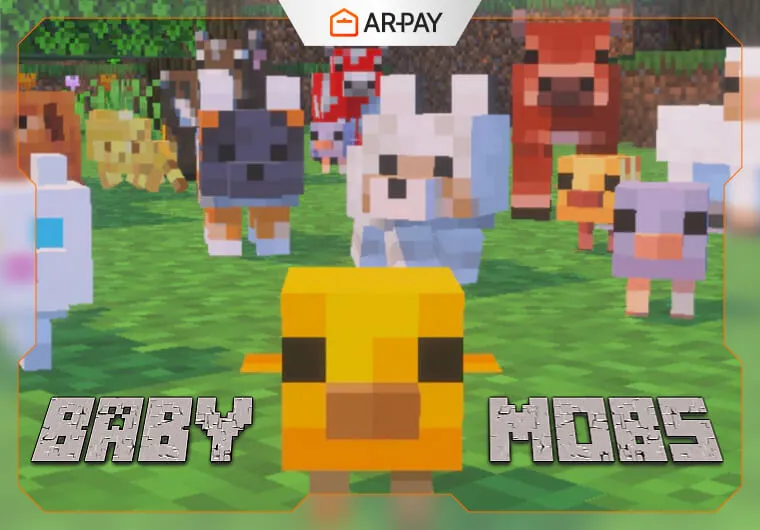
Minecraft does not usually need much help getting players attached to its world, but baby mobs have always had an easy advantage. They are memorable, instantly readable, and perfect for the softer side of survival play. That is why the baby-mob refresh drew so much attention when Mojang started promoting it in 2026. The official Minecraft site now highlights The Tiny Takeover drop and describes new versions of baby mobs as causing “cuteness overload” across biomes and builds. That much is real, current, and worth taking seriously.
The problem is that a lot of older writeups moved from that verified headline into very specific feature lists that are harder to confirm cleanly from public official material alone. So the safest 2026 refresh is not to pretend every earlier claim still stands unchanged. It is to separate what the official messaging clearly supports from what still needs a closer source check before publication. In other words: yes, Minecraft is pushing a baby-mob-themed update in 2026, but many detailed mechanics tied to exact recipes, exact variants, exact rollout windows, and exact platform behavior should still be treated carefully. []
What the update clearly seems to be about
At a high level, the direction is obvious. The Tiny Takeover drop is being framed around making baby mobs feel more distinctive, more expressive, and more central to the player experience. That matches the way Minecraft updates often work now: instead of one giant all-purpose annual beat, Mojang delivers themed drops that focus on a strong identity. In this case, the identity is cuteness, collectability, and a more characterful version of animal life inside the world.
That framing alone tells us something useful. This is not just a technical clean-up pass or a hidden backend patch. It is a presentation-led update, the kind that tries to make familiar creatures feel fresh again. If you have spent years treating baby animals in Minecraft as charming but simple miniatures, the 2026 messaging suggests Mojang wants them to feel more like a feature in their own right.
Why players responded so quickly
The appeal here is easy to understand. Minecraft is one of the few giant sandbox games where tenderness and utility constantly overlap. You can optimize farms, automate storage, and build industrial-scale redstone systems, then immediately stop because a tiny animal wandered through your base. Baby mobs fit that contrast perfectly. They interrupt efficiency with personality. So when Mojang leans into them, the update hits both casual players and long-time builders at the same time.
That is also why the cutest-update angle works. It is not just marketing sugar. It reflects how a huge part of the community actually plays. Players name pets, make barns prettier than they need to be, build sanctuaries, and design villages around vibes as much as function. A baby-mob refresh strengthens that creative-emotional loop, which is one of Minecraft’s most enduring advantages.
Which older claims are the least stable
This is where the article needs the most cleanup. Older versions of the piece present a long list of precise additions: exact mob-by-mob visual changes, biome-specific rabbit behavior, a fully reworked baby sound library, direct baby-mob spawning from eggs, cross-platform audio parity, specific collision fixes, and a universal name-tag crafting recipe made from paper plus any metal nugget. Some of those ideas may have appeared in preview coverage, snapshots, or community reporting, but they are not all cleanly confirmed in the official material available through a quick public check. []
The same caution applies to exact release-window language. The original piece treats a March 2026 launch expectation as if it were settled and also suggests snapshots were already available in a specific way. Minecraft does use more frequent game drops now, and official update-history material explains that Mojang releases new features several times a year for free. But tying this particular baby-mob drop to a precise launch pattern without a directly cited announcement is risky. []
What still feels safe to say in 2026
The safest refreshed takeaway is that Minecraft is actively promoting a baby-mob-focused drop and positioning it as a noticeable visual and emotional upgrade. That is enough to support a solid explainer even if you strip out the brittle details. You can still tell readers why the update matters: it makes passive-world interaction more memorable, gives builders and animal collectors more to care about, and reflects Mojang’s ongoing interest in themed drops that keep the game lively between bigger tentpole changes.
It is also fair to say that this kind of update fits Minecraft’s current design philosophy. Mojang has spent the past several years proving that small-to-mid-sized themed content drops can have an outsized impact when they touch systems players see constantly. Baby mobs are exactly that kind of feature. Even modest changes to their appearance, behavior, or sound design could be felt almost everywhere in normal play.
Should you trust the original feature list?
Not without a second pass. If you are editing this for publication, the honest answer is no. The original article is not beyond saving, but too much of its detail depends on claims that now need re-verification from official patch notes, changelogs, or direct Minecraft.net articles. That includes the exact recipe for craftable name tags, the full roster of redesigned baby mobs, claims about sound and texture parity across Java and Bedrock, and the idea that hidden surprises had already been teased by developer diaries. []
Because those details make up the majority of the article’s substance, this piece lands in stale-beyond-refresh territory unless someone does a proper source-by-source rebuild. The core topic is still timely. The supporting specifics are the issue.
Conclusion
Minecraft’s baby-mob update still has a strong editorial hook in 2026. The official site confirms The Tiny Takeover drop and clearly signals that Mojang wants players to notice a new wave of tiny, more expressive creatures. That is enough to justify interest and coverage. But the original article overcommits on exact mechanical details that are no longer safe to present as settled fact. So the right refresh is a careful one: keep the excitement, keep the premise, and clearly flag the details that still need a human editor to verify against official release notes.