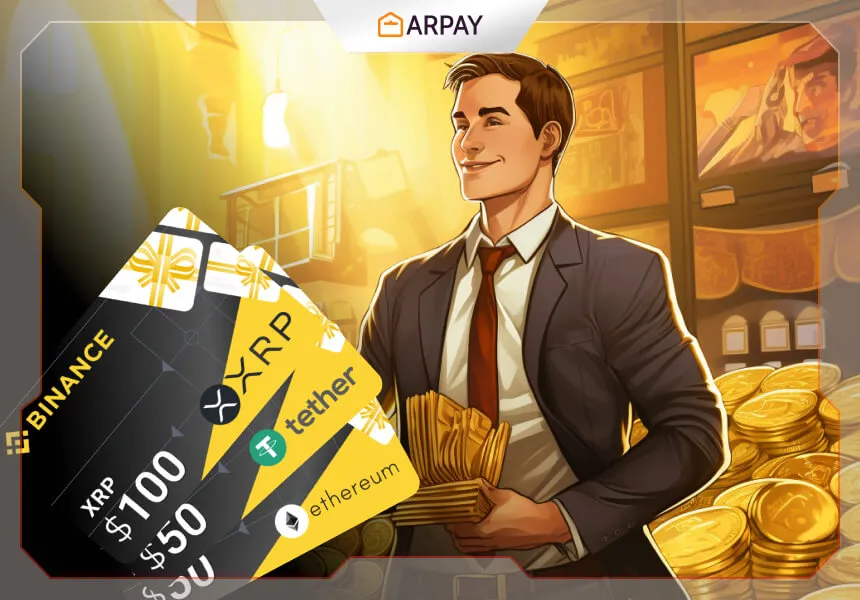
Binance Gift Card is a Binance feature that lets users send crypto in a gift-card style format inside the Binance ecosystem, with support first announced in 2021 (source: Binance). In plain terms, it is less like a supermarket gift voucher and more like a wrapped crypto transfer that can be redeemed by an eligible Binance user. That makes it useful for simple gifting, team rewards, and moving a chosen crypto amount to someone who may not want to handle a normal wallet address for a first transfer. This guide focuses on what the product is, where it helps, and what you should verify before you buy or send one.
Quick answer: a Binance Gift Card can be a convenient way to send supported crypto to another Binance account without asking the recipient for a public wallet address, according to Binance. It is best treated as an internal platform product, not as a universal retail payment card. If your goal is to give someone crypto exposure, it is cleaner than sending banknotes and asking them to figure out the market later. If your goal is everyday shopping at any merchant, this is usually the wrong tool; you would normally need a separate spend product or a merchant that directly accepts crypto.
What a Binance Gift Card actually is
The easiest way to understand Binance Gift Card is to separate the wrapper from the asset. The wrapper is the gift-card experience: a code, a themed presentation, and a redemption flow inside Binance. The asset is still crypto. That means the real value depends on the token loaded onto the card and the market price of that token at the time the recipient uses it. Binance has described the feature as a way to send crypto through cards that can be customized and redeemed on-platform (source: Binance). So the product sits somewhere between a transfer tool, a gifting tool, and a beginner-friendly onboarding step.
That distinction matters because people often expect a gift card to work like store credit. A Binance Gift Card is not the same thing as prepaid cash that can automatically be spent at any online checkout. In practice, the recipient usually redeems it into a Binance account balance, then decides whether to hold, trade, convert, or withdraw within the options available in their region and account status, according to Binance. For that reason, it is strongest when both sender and receiver already understand the platform, basic compliance checks, and the volatility of crypto assets.
How sending and redeeming usually works
The normal flow is straightforward. A sender chooses a supported asset, enters an amount, and creates the card inside Binance. The recipient then redeems through Binance using the code or claim flow provided by the sender, according to Binance. Compared with a standard wallet transfer, that can feel friendlier because it avoids copying a long blockchain address. It also reduces one common beginner error: sending funds to the wrong network or the wrong destination string. The tradeoff is that both sides are leaning on Binance account access and local feature availability rather than a fully open on-chain handoff.
Before sending one, verify four things. First, confirm the recipient can legally use Binance where they live, because regional availability and product access can change over time (source: Binance). Second, confirm the token you plan to send is one the recipient actually wants to hold; gifting a volatile asset is not the same as gifting cash. Third, check whether the recipient has completed the verification steps needed for redemption or later trading, according to Binance. Fourth, pay attention to any limits, supported currencies, or campaign rules shown in the live card-creation screen, since those details are operational and can change faster than static articles.
Where Binance Gift Card makes sense
For individuals, the cleanest use case is gifting crypto to someone who already has a Binance account or is comfortable opening one. It can also work for family transfers when both parties prefer to stay inside one exchange environment rather than manage self-custody immediately. For businesses and online communities, Binance has promoted gift cards for rewards, promotions, and payouts in some contexts (source: Binance). The benefit there is presentation: the transfer feels deliberate and branded instead of looking like a raw internal ledger movement. That can matter for loyalty programs, education incentives, or campaign prizes.
The weaker use case is general shopping. If someone searches Binance Gift Card because they want a universal spending card, expectations need to be reset. The product is not a guaranteed substitute for a debit card, and it is not the same as buying a retailer-specific gift code. If your end goal is spending crypto value on games, subscriptions, or digital goods, a commerce-focused marketplace may fit better because it starts from the merchant side rather than from exchange account redemption. That is also where browsing a crypto gift-card catalog such as https://ar-pay.com/en/category/crypto can be more practical than forcing an exchange tool into a retail job it was not designed to do.
Risks and checks that matter more than the gift-card design
The main risk is not the code itself; it is the asset and platform context around it. Crypto prices move, sometimes sharply, so the recipient may redeem an asset that is worth more or less by the time they use it. Compliance rules can also matter. Binance has adjusted products, availability, and regional services across markets over the years, so a guide written long before 2026 can go stale quickly (source: Binance). That is why the safest advice is procedural: read the live redemption terms, confirm eligibility, and treat any static article as background rather than as the final authority on current limits.
Security basics still apply. Send the claim details only through a trusted channel, avoid posting them publicly, and double-check who will receive them. If you are gifting to a beginner, include one sentence of context so they know whether the token is meant to be held, converted, or learned from. The card wrapper can make crypto feel simple, but it does not remove the need to understand custody choices, market risk, taxes, or platform rules in the recipient's jurisdiction. That is the difference between a smooth onboarding gift and an expensive confusing surprise.
Bottom line
Binance Gift Card is best thought of as a user-friendly crypto handoff inside Binance, not as a catch-all shopping card. It can be useful when you want to send supported crypto in a cleaner, more approachable way than a direct address transfer, especially for gifting or simple rewards. It becomes less useful when the real need is merchant acceptance, cash-equivalent spending, or platform independence. Last verified: 2026-06-03. If your goal is exchange-native gifting, the feature can make sense. If your goal is spending power across brands, a dedicated crypto card marketplace is usually the better match.