Get ready for the most exhilarating football event of the decade! The FIFA World Cup 2026 is set to redefine the beautiful game, bringing together 48 nations in a spectacular showcase of skill, passion, and unity.
From the iconic MetLife Stadium in New York/New Jersey to the historic Estadio Azteca in Mexico City, fans will witness football history in the making.
Imagine the thrill of watching your favorite teams and players compete on the grandest stage, with every match a potential classic.
Start planning your World Cup journey now, secure your tickets, and be part of the global celebration that will unite fans from every corner of the world. The FIFA World Cup 2026 is not just a tournament; it's a new chapter in football history waiting to be written.
FIFA World Cup 2026 Overview
The FIFA World Cup 2026 is set to be an exciting tournament with several new features and changes:
- Expanded Format: For the first time, the tournament will feature 48 teams, up from 32 in previous editions. This expansion means there will be 104 matches in total.
- Host Countries: The tournament will be jointly hosted by the United States, Canada, and Mexico. This is the first time the World Cup will be hosted by three countries.
- Opening and Final Matches: The opening match will take place at the iconic Estadio Azteca in Mexico City on June 11, 2026. The final will be held on July 19, 2026, in New York/New Jersey
- Match Venues: Matches will be played in various cities across the three host countries, including Toronto, Los Angeles, and Mexico City.
Host Cities of FIFA World Cup 2026:
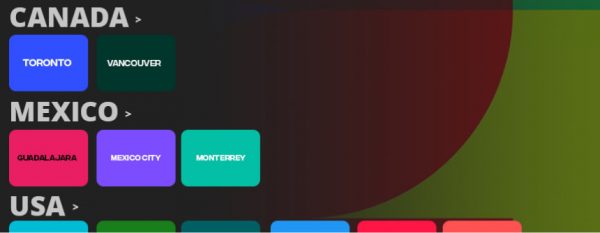
- USA: 11 cities, including New York City, Los Angeles, Dallas, and Atlanta
- Canada: 2 cities, including Toronto and Vancouver.
- Mexico: 3 cities, including Mexico City, Monterrey, and Guadalajara.
Gear up for the excitement of the 2026 World Cup—explore and purchase FIFA Gift Cards from ARPay today to make every match even more thrilling!
Top Stadiums to Watch FIFA World Cup 2026
The FIFA World Cup 2026 will be hosted across 16 cities in the United States, Canada, and Mexico, each featuring some of the most iconic and state-of-the-art stadiums. Here are some of the top stadiums to watch the matches:
United States
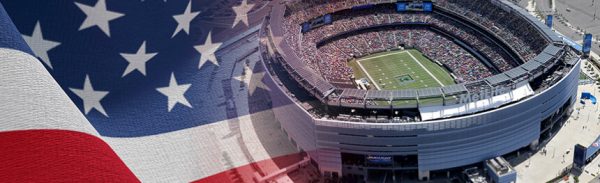
- MetLife Stadium (New York/New Jersey): With a capacity of 82,500, this stadium will host the final match, promising an electric atmosphere.
- SoFi Stadium (Los Angeles): Known for its cutting-edge design and technology, this venue can hold up to 70,240 spectators
- AT&T Stadium (Dallas): This massive stadium can accommodate 80,000 fans and is renowned for its impressive retractable roof
- Mercedes-Benz Stadium (Atlanta): With a capacity of 74,295, this stadium is famous for its innovative architecture and fan experience
Canada
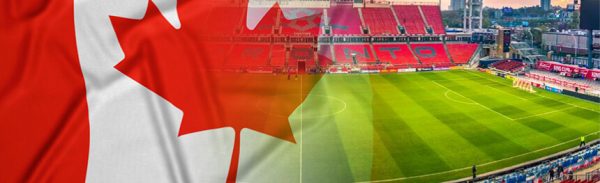
- BMO Field (Toronto): This stadium will be expanded to hold 45,000 fans, offering a vibrant atmosphere in one of Canada's most multicultural cities.
- BC Place (Vancouver): Known for its stunning location and modern facilities, this stadium can host up to 54,500 spectators.
Mexico
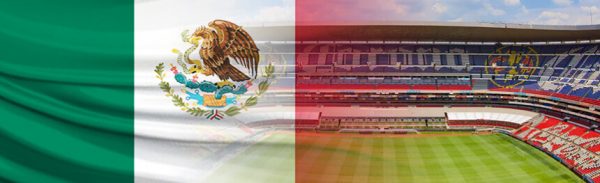
- Estadio Azteca (Mexico City): With a capacity of 87,523, this historic stadium will host the opening match, adding to its rich World Cup legacy.
- Estadio Akron (Guadalajara): This modern stadium can hold 46,232 fans and is known for its passionate football atmosphere.
- Estadio BBVA (Monterrey): With a capacity of 53,500, this stadium offers a modern and exciting venue for World Cup matches.
Match Schedules for FIFA World Cup 2026
The FIFA World Cup 2026 will feature an exciting schedule spread across 16 cities in the United States, Canada, and Mexico. Here are some key details:
FIFA World Cup 26 Group Stage fixtures
Thursday, 11 June 2026
- Match 1 - Group A (Mexico #1) – Estadio Azteca Mexico City
- Match 2 – Group A - Estadio Guadalajara
Friday, 12 June 2026
- Match 3 - Group B (Canada #1) – Toronto Stadium
- Match 4 - Group D (USA #1) – Los Angeles Stadium
Saturday, 13 June 2026
- Match 5 – Group C - Boston Stadium
- Match 6 – Group D - BC Place Vancouver
- Match 7 – Group C - New York New Jersey Stadium
- Match 8 – Group B - San Francisco Bay Area Stadium
Sunday, 14 June 2026
- Match 9 – Group E - Philadelphia Stadium
- Match 10 – Group E - Houston Stadium
- Match 11 – Group F - Dallas Stadium
- Match 12 – Group F - Estadio Monterrey
Monday, 15 June 2026
- Match 13 – Group H - Miami Stadium
- Match 14 – Group H - Atlanta Stadium
- Match 15 – Group G - Los Angeles Stadium
- Match 16 – Group G - Seattle Stadium
Tuesday, 16 June 2026
- Match 17 – Group I - New York New Jersey Stadium
- Match 18 – Group I - Boston Stadium
- Match 19 – Group J - Kansas City Stadium
- Match 20 – Group J - San Francisco Bay Area Stadium
Wednesday, 17 June 2026
- Match 21 – Group L - Toronto Stadium
- Match 22 – Group L - Dallas Stadium
- Match 23 – Group K - Houston Stadium
- Match 24 – Group K - Estadio Azteca Mexico City
Thursday, 18 June 2026
- Match 25 – Group A - Atlanta Stadium
- Match 26 – Group B - Los Angeles Stadium
- Match 27 - Group B - (Canada #2) – BC Place Vancouver
- Match 28 - Group A - (Mexico #2) – Estadio Guadalajara
Friday, 19 June 2026
- Match 29 – Group C - Philadelphia Stadium
- Match 30 – Group C - Boston Stadium
- Match 31 – Group D - San Francisco Bay Area Stadium
- Match 32 - Group D (USA #2) – Seattle Stadium
Saturday, 20 June 2026
- Match 33 – Group E - Toronto Stadium
- Match 34 – Group E - Kansas City Stadium
- Match 35 – Group F - Houston Stadium
- Match 36 – Group F - Estadio Monterrey
Sunday, 21 June 2026
- Match 37 – Group H - Miami Stadium
- Match 38 – Group H - Atlanta Stadium
- Match 39 – Group G - Los Angeles Stadium
- Match 40 – Group G - BC Place Vancouver
Monday, 22 June 2026
- Match 41 – Group I - New York New Jersey Stadium
- Match 42 – Group I - Philadelphia Stadium
- Match 43 – Group J - Dallas Stadium
- Match 44 – Group J - San Francisco Bay Area Stadium
Tuesday, 23 June 2026
- Match 45 – Group L - Boston Stadium
- Match 46 – Group L - Toronto Stadium
- Match 47 – Group K - Houston Stadium
- Match 48 – Group K - Estadio Guadalajara
Wednesday, 24 June 2026
- Match 49 – Group C - Miami Stadium
- Match 50 – Group C - Atlanta Stadium
- Match 51 - Group B (Canada #3) – BC Place Vancouver
- Match 52 – Group B - Seattle Stadium
- Match 53 - Group A - (Mexico #3) – Estadio Azteca Mexico City
- Match 54 – Group A - Estadio Monterrey
Thursday, 25 June 2026
- Match 55 – Group E - Philadelphia Stadium
- Match 56 – Group E - New York New Jersey Stadium
- Match 57 – Group F - Dallas Stadium
- Match 58 – Group F - Kansas City Stadium
- Match 59 - Group D - (USA #3) – Los Angeles Stadium
- Match 60 – Group D - San Francisco Bay Area Stadium
Friday, 26 June 2026
- Match 61 – Group I - Boston Stadium
- Match 62 – Group I - Toronto Stadium
- Match 63 – Group G - Seattle Stadium
- Match 64 – Group G - BC Place Vancouver
- Match 65 – Group H - Houston Stadium
- Match 66 – Group H - Estadio Guadalajara
Saturday, 27 June 2026
- Match 67 – Group L - New York New Jersey Stadium
- Match 68 – Group L - Philadelphia Stadium
- Match 69 – Group J - Kansas City Stadium
- Match 70 – Group J - Dallas Stadium
- Match 71 – Group K - Miami Stadium
- Match 72 – Group K - Atlanta Stadium
FIFA World Cup 26 – Round of 32 fixtures
Sunday, 28 June 2026
- Match 73 – Group A runners-up v Group B runners-up - Los Angeles Stadium
Monday, 29 June 2026
- Match 74 – Group E winners v Group A/B/C/D/F third place - Boston Stadium
- Match 75 – Group F winners v Group C runners-up - Estadio Monterrey
- Match 76 – Group C winners v Group F runners-up - Houston Stadium
Tuesday, 30 June 2026
- Match 77 – Group I winners v Group C/D/F/G/H third-place - New York New Jersey Stadium
- Match 78 – Group E runners up v Group I runners-up - Dallas Stadium
- Match 79 – Group A winners v Group C/E/F/H/I third place - Estadio Azteca Mexico City
Wednesday, 1 July 2026
- Match 80 – Group L winners v Group E/H/I/J/K third place - Atlanta Stadium
- Match 81 – Group D winners v Group B/E/F/I/J third-place - San Francisco Bay Area Stadium
- Match 82 – Group G winners v Group A/E/H/I/J third-place - Seattle Stadium
Thursday, 2 July 2026
- Match 83 – Group K runners-up v Group L runners-up - Toronto Stadium
- Match 84 – Group H winners v Group J runners-up - Los Angeles Stadium
- Match 85 – Group B winners v Group E/F/G/I/J third place - BC Place Vancouver
Friday, 3 July 2026
- Match 86 – Group J winners v Group H runners-up - Miami Stadium
- Match 87 – Group K winners v Group D/E/I/J/L third-place - Kansas City Stadium
- Match 88 – Group D runners-up v Group G runners-up - Dallas Stadium
FIFA World Cup 26 Round of 16 fixtures
Saturday, 4 July 2026
- Match 89 – Winner match 74 v Winner match 77 - Philadelphia Stadium
- Match 90 – Winner match 73 v Winner match 75 - Houston Stadium
Sunday, 5 July 2026
- Match 91 – Winner match 76 v Winner match 78 - New York New Jersey Stadium
- Match 92 – Winner match 79 v Winner match 80 - Estadio Azteca Mexico City
Monday, 6 July 2026
- Match 93 – Winner match 83 v Winner match 84 - Dallas Stadium
- Match 94 – Winner match 81 v Winner match 82 - Seattle Stadium
Tuesday, 7 July 2026
- Match 95 – Winner match 86 v Winner match 88 - Atlanta Stadium
- Match 96 – Winner match 85 v Winner match 87 - BC Place Vancouver
FIFA World Cup 26 quarter-final fixtures
Thursday, 9 July 2026
- Match 97 – Winner match 89 v Winner match 90 - Boston Stadium
Friday, 10 July 2026
- Match 98 – Winner match 93 v Winner match 94 - Los Angeles Stadium
Saturday, 11 July 2026
- Match 99 – Winner match 91 v Winner match 92 - Miami Stadium
- Match 100 – Winner match 95 v Winner match 96 - Kansas City Stadium
FIFA World Cup 26 semi-final fixtures
Tuesday, 14 July 2026
- Match 101 – Winner match 97 v Winner match 98 - Dallas Stadium
Wednesday, 15 July 2026
- Match 102 – Winner match 99 v Winner match 100 - Atlanta Stadium
FIFA World Cup 26 bronze final
Saturday, 18 July 2026
- Match 103 – Loser match 101 v Loser match 102 - Miami Stadium
FIFA World Cup 2026 Final
Sunday, 19 July 2026
- Match 104 – Winner match 101 v Winner match 102 - New York New Jersey Stadium
Participating Teams in FIFA World Cup 2026
The FIFA World Cup 2026 will feature an expanded roster of 48 teams, making it the largest World Cup to date. Here's a breakdown of the participating teams by confederation:
Confederation Allocations In FIFA World Cup 2026
- AFC (Asia): 8 teams
- CAF (Africa): 9 teams
- CONCACAF (North, Central America, and Caribbean): 6 teams (including the host nations: USA, Canada, and Mexico)
- CONMEBOL (South America): 6 teams
- OFC (Oceania): 1 team
- UEFA (Europe): 16 teams
- Play-off Tournament: 6 teams will compete for the final 2 spots
Notable Teams Expected to Participate In FIFA World Cup 2026
- Brazil: A perennial favorite with a rich World Cup history.
- Germany: Known for their strong performances and tactical prowess.
- Argentina: The reigning champions of the 2022 World Cup.
- France: Always a strong contender with a deep talent pool.
- Spain: Known for their technical skill and possession-based play.
- Italy: Historically strong, looking to make a comeback after missing the 2022 World Cup.
These teams, along with many others, will compete across various cities in the United States, Canada, and Mexico, making the FIFA World Cup 2026 a truly global celebration of football.
Where to Stay for FIFA World Cup 2026: Best Hotels and Accommodations
Here are some top hotels and accommodations in key host cities to ensure you have a comfortable and memorable experience during the FIFA World Cup 2026:
New York/New Jersey
- The Plaza Hotel: An iconic luxury hotel located in Manhattan, offering world-class amenities and easy access to MetLife Stadium.
- The Ritz-Carlton, New York Central Park: Known for its elegance and exceptional service, perfect for a luxurious stay.
- W Hoboken: Located in New Jersey, offering stunning views of the Manhattan skyline and convenient access to the stadium.
Los Angeles
- The Beverly Hills Hotel: A historic and glamorous hotel, providing a luxurious stay in the heart of Beverly Hills.
- Fairmont Century Plaza: Modern luxury with excellent amenities, located near key attractions.
- The Ritz-Carlton, Los Angeles: Situated in downtown LA, offering top-notch service and proximity to SoFi Stadium.
Miami
- The Setai, Miami Beach: A luxurious beachfront hotel known for its elegance and exceptional service.
- Fontainebleau Miami Beach: A famous hotel offering a mix of luxury and entertainment.
- The Ritz-Carlton, South Beach: Located in the heart of South Beach, providing a perfect blend of luxury and convenience.
Toronto
- The Ritz-Carlton, Toronto: Offering luxurious accommodations and stunning views of the city.
- Fairmont Royal York: A historic hotel with modern amenities, located in downtown Toronto.
- Shangri-La Hotel, Toronto: Known for its elegance and excellent service, situated in the heart of the city.
Mexico City
- Four Seasons Hotel Mexico City: A luxurious hotel offering top-notch amenities and proximity to Estadio Azteca.
- St. Regis Mexico City: Known for its elegance and exceptional service, located in the heart of the city.
- Hyatt Regency Mexico City: Offering modern accommodations and easy access to key attractions.
FIFA World Cup 2026 Fan Zones and Viewing Parties

The FIFA World Cup 2026 will feature numerous fan zones and viewing parties across the host countries, providing fans with vibrant and exciting places to watch the matches. Here are some key locations:
United States
- New York City: Central Park and Times Square are expected to host large viewing parties, offering a lively atmosphere with giant screens, food stalls, and entertainment.
- Los Angeles: The LA Live complex will be a central hub for fans, featuring live broadcasts, concerts, and various activities.
- Miami: Bayfront Park will likely be transformed into a fan zone, providing a scenic backdrop for watching the games.
Canada
- Toronto: Nathan Phillips Square will be a key location for fan festivities, with large screens and a festive atmosphere.
- Vancouver: Jack Poole Plaza is expected to host viewing parties, offering stunning views and a great fan experience.
Mexico
- Mexico City: The Plaza de la República will be a major fan zone, featuring live broadcasts, music, and cultural events.
- Guadalajara: The city center will likely host fan zones, providing a vibrant atmosphere for fans to gather and celebrate.
- Monterrey: Macroplaza will be a central location for viewing parties, offering a lively environment for fans.
International FIFA Fan Festivals
- Global Cities: In addition to the host cities of FIFA World Cup 2026, FIFA Fan Festivals will be held in iconic locations around the world, including London, Rio de Janeiro, São Paulo, Seoul, and Dubai. These festivals will feature live match broadcasts, concerts, and various entertainment activities.
Safety Tips and Emergency Contacts During FIFA World Cup 2026
Attending the FIFA World Cup 2026 will be an exciting experience, but it's important to stay safe and be prepared. Here are some safety tips and emergency contacts to keep in mind:
Safety Tips
- Stay Informed: Keep up-to-date with local news and weather reports. Follow official FIFA and local authorities' social media channels for real-time updates.
- Secure Your Belongings: Use a money belt or hidden pouch to keep your valuables safe. Be cautious in crowded areas to avoid pickpocketing.
- Health Precautions: Stay hydrated, especially in hot climates. Make sure you have travel insurance that covers medical emergencies.
- Transportation: Use official transportation services and avoid unlicensed taxis. Plan your routes and be aware of your surroundings.
- Emergency Exits: Familiarize yourself with the emergency exits at stadiums and other venues.
- Local Laws and Customs: Respect local laws and customs. Be aware of any restrictions or guidelines in the host cities.
- Buddy System: Travel with friends or in groups whenever possible. Let someone know your plans and check in regularly.
Emergency Contacts During FIFA World Cup 2026
United States:
- Emergency Services: 911
- Non-Emergency Police: 311
- U.S. Embassy: U.S. Embassy Contact Information
Canada:
- Emergency Services: 911
- Non-Emergency Police: 311
- Canadian Embassy: Canadian Embassy Contact Information
Mexico:
- Emergency Services: 911
- Tourist Assistance: 078
- Mexican Embassy: Mexican Embassy Contact Information
Additional Resources
- FIFA Official Website: For updates and information on the tournament.
- Local Health Departments: For health advisories and vaccination information.
- Travel Insurance Providers: Ensure you have comprehensive coverage for your trip.
Conclusion
As the final whistle blows on the FIFA World Cup 2026, we celebrate not just the champions, but a tournament that has truly redefined the beautiful game.
This historic event, hosted across three nations, has united fans from every corner of the globe, showcasing the power of football to bridge cultures and create unforgettable memories.
This is more than just a chapter in football history; it's the beginning of a new era where dreams are realized, and the spirit of the game shines brighter than ever.
Read More: Your Esports World Cup Full Guide: Top 10 Asked Questions!
FAQs
Which country will host the FIFA World Cup 2026?
The tournament will take place from June 11 to July 19, 2026. It will be jointly hosted by 16 cities in three North American countries: Canada, Mexico, and the United States. The tournament will be the first hosted by three nations and the first North American World Cup since 1994. Argentina is the defending champion.
How can I buy tickets for the FIFA World Cup 2026 in NYC?
Tickets will be available for purchase through the official FIFA website. Keep an eye out for announcements regarding ticket sales and lotteries, as demand will be high.
What are the best neighborhoods to stay in during the FIFA World Cup 2026?
Popular neighborhoods for visitors include Manhattan, Brooklyn, and Queens, each offering a unique experience.
Manhattan is ideal for proximity to major attractions, while Brooklyn and Queens offer a more local vibe with easy access to the stadiums and enjoy FIFA World Cup 2026.
How can I get involved as a volunteer at the FIFA World Cup 2026?
FIFA and local organizing committees will offer volunteer opportunities for the FIFA World Cup 2026
Interested individuals can apply through the official FIFA website when volunteer recruitment opens.