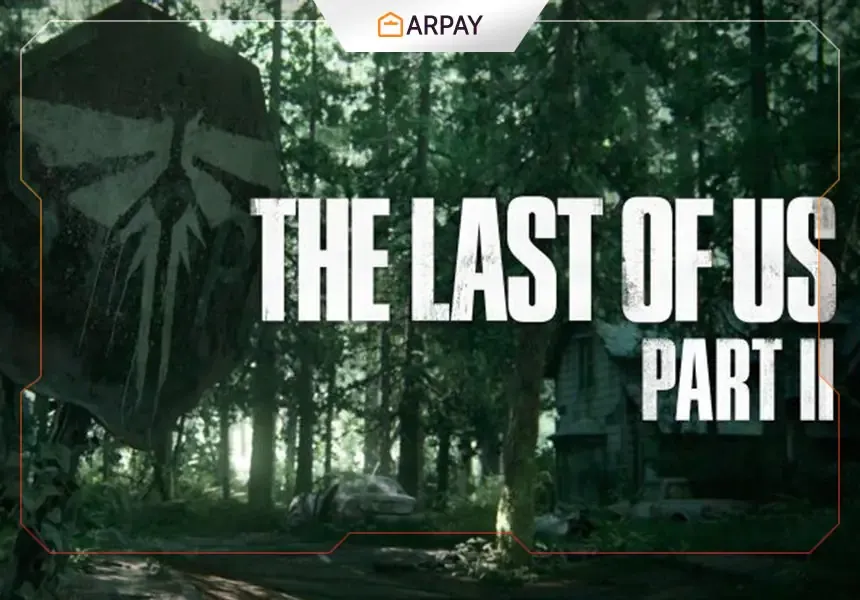
The quick answer in 2026 is still the same: play slowly, stay hidden for as long as possible, and treat every encounter like a resource puzzle instead of a power fantasy. That mindset works whether you are playing the original PS4 release or the PS5 remastered edition. The game looks cinematic and often feels intense, but it rewards patience far more than reckless momentum. If you start with that expectation, the opening hours become less frustrating and much more readable.
The Last of Us Part II is at its best when you stop trying to perfect every room and start responding to pressure. Enemies communicate, flank, rush, and punish hesitation, while your own supplies never stay comfortable for long. That combination is exactly why the game feels so tense. It is also why many first-time players struggle early: they approach each fight like a standard shooter, burn too much ammo, then feel trapped by scarcity. A few better habits solve most of that problem.
1. Prioritize survival over clean victories
The biggest early mistake is assuming every encounter should end with every enemy eliminated and every drawer looted. Very often, the smarter play is to thin a group, break line of sight, and reach the exit safely. Ammunition, healing items, and crafting materials all have an opportunity cost, so every risky push needs a reason. If the game gives you a path forward, taking it is often better than forcing one more takedown. This approach also preserves the tone that makes the campaign work so well. You are supposed to feel hunted, pressured, and occasionally outmatched. Winning by escape still counts as winning.
2. Treat stealth as your default setting
Stealth is not a backup plan you switch to after things go wrong. It is the baseline that makes everything else easier. Start encounters in tall grass, use prone movement aggressively, and watch patrol routes before you commit to any action. Bricks and bottles are useful not because they are flashy, but because they split enemy attention and create windows for repositioning. Dogs, paired patrols, and search patterns become much less overwhelming once you slow down long enough to understand who is moving where. Even if a fight eventually turns loud, beginning from stealth usually means fewer enemies, cleaner angles, and better odds of staying in control.
3. Craft only for the problem in front of you
Panic-crafting is one of the easiest ways to waste good materials. Just because you can make something does not mean you should make it immediately. A med kit matters most when your next fight is unavoidable and your health is already low. A silencer is strongest when a single removal will open the room instead of simply delaying chaos by two seconds. Trap mines are excellent when enemies funnel through a doorway, corridor, or staircase, but less efficient when the battlefield is wide open. Think of crafting recipes as answers to tactical questions. If you do not know the question yet, hold your materials and keep moving until the situation is clearer.
4. Upgrade for consistency, not for dream scenarios
Weapon benches and skill upgrades are most valuable when they make ordinary encounters easier, not when they prepare you for a perfect action-movie moment that might never come. Early upgrades that improve stability, recoil control, healing efficiency, listening, crafting utility, or stealth often pay back immediately. The same goes for skills that help you recover from mistakes rather than double down on risky aggression. A smoother, more reliable build gives you better results over the full campaign than a highly specialized setup built around rare hero plays. When deciding between two upgrades, choose the one you expect to use in almost every chapter, not the one that sounds coolest in theory.
5. Explore thoroughly when calm, then stop being greedy
Exploration matters a lot in The Last of Us Part II. Supplements, weapon parts, notes, safes, ammo, and crafting ingredients all add up across a long playthrough. The mistake is trying to finish a careful scavenging route after the encounter has already gone bad. If you are detected, low on health, or scrambling to relocate, that last shelf is usually not worth it. Sweep side rooms, drawers, offices, and optional corners when an area is quiet. Once the pressure rises, narrow your goals. This game is built around tension between preparation and survival, and learning when to abandon a loot path is part of mastering it. Losing a few supplies hurts less than losing a whole fight because you got stubborn.
6. Use melee to create space, not just to finish enemies
Melee is brutal, but its real value is tactical. A successful dodge and counter can reset the pace of an encounter, save bullets, and buy enough time to reposition before more enemies close in. Players who keep backpedaling while firing often die because they refuse melee during the exact moments the game expects them to use it. This does not mean charging every enemy. It means recognizing when a close-range exchange is the safest way to regain breathing room. Practice dodge timing, learn how animation spacing works, and avoid panic button-mashing. Once melee stops feeling like a desperate last resort, several difficult encounters become far more manageable.
7. Use difficulty and accessibility settings without guilt
In 2026, this is still one of the easiest recommendations to give: tune the experience so you actually want to continue playing. The Last of Us Part II is built on tension, story, and atmosphere. It is not improved by forcing yourself through settings that turn every section into irritation. If enemy awareness feels too punishing, if navigation friction keeps pulling you out of the story, or if resource scarcity starts feeling exhausting instead of exciting, adjust the sliders. The same logic applies to accessibility features. The best version of the game is the one that keeps you engaged, not the one that satisfies some imaginary audience watching over your shoulder.
8. If you have the PS5 remaster, use No Return as training
The remastered edition adds No Return, and it is more useful than a throwaway side mode. Because it throws you into repeated combat situations with different pressures, it teaches quick adaptation better than replaying a story section you already memorized. A few runs can sharpen your understanding of dodging, movement, threat priority, and when to spend or save scarce items. It is especially valuable if the main campaign makes you overly cautious. No Return gives you room to experiment, fail fast, and rebuild your instincts in shorter sessions. Then, when you go back to the story, you tend to play with more confidence and less panic.
Quick comparison: PS4 original vs PS5 remastered
If you are deciding where to play in 2026, the answer mostly comes down to your hardware. The PS5 version is the easier recommendation if you already own that console, because it packages the core game with technical polish and extra content such as No Return. The original PS4 release still delivers the full campaign and remains a perfectly valid way to experience the story if that is the system you have. What matters more than the platform is setting expectations correctly. This is not a game you rush through for pure action; it rewards observation, patience, and emotional stamina. If you go in looking for pressure, stealth, and tough tradeoffs, both versions still hold up well.
Best early habits to build
Before every encounter, take three seconds and answer three questions. First, where is your exit? Second, which enemy would cause the most trouble if left alone? Third, what item are you most willing to spend? Those answers shape almost everything that follows. Once you know the exit, you stop drifting into bad positions. Once you identify the most dangerous enemy, you make better stealth openings. Once you decide what you are willing to spend, you stop hoarding uselessly or wasting materials on panic choices. These tiny decisions create a huge difference over the first few hours, and they make the entire game feel more deliberate.
Last refreshed: 2026-06-04
FAQ
Should you play the original or the remastered version?
If you have a PS5, the remastered edition is generally the easier pick because it combines the core campaign with extra content and newer presentation. If you only have a PS4, the original version still gives you the complete story and remains worth playing. This is one of those cases where hardware availability matters more than minor debate around the best edition.
Is stealth mandatory?
Not in a strict sense, but it is the safest and most efficient default. You can absolutely recover from loud mistakes, and some encounters will force open combat sooner or later. Still, starting quietly helps you conserve ammo, control angles, and avoid getting surrounded too early.
What is the single best early habit?
Pause before each encounter and decide what success looks like. That might mean reaching an exit, removing one priority target, or getting through a section while spending as little as possible. Once you define the goal, your stealth path, crafting choices, and risk tolerance all improve immediately.