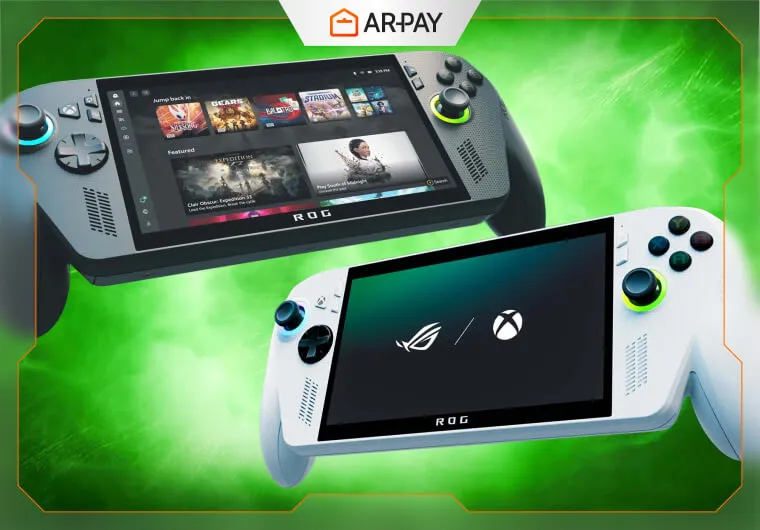
Quick answer: if you want the lightest, simplest path to handheld PC gaming with an Xbox-style layer on top, the standard ROG Xbox Ally is the safer default; the Ally X only makes sense if you know exactly which compromises in the standard model would bother you enough to pay extra for the “best” version. Last verified: 2026-04-30.
The easiest way to review these handhelds is to be honest about what they are. They are not traditional Xbox consoles. They are Windows handheld PCs presented with an Xbox-flavored experience, built through a Microsoft and ASUS partnership, and meant to feel more “console-like” in navigation while keeping the flexibility (and messiness) of Windows 11 (source: original draft). That framing is important because it sets expectations: you’re buying into PC rules—launchers, drivers, updates, and settings—just in a handheld shape with friendlier front-end vibes.
What the “Xbox handheld” label really means
In the provided context, the ROG Xbox Ally lineup is described as a sign that portable gaming hit a turning point in 2025 (source: original draft). Whether you agree with that headline or not, the product idea is clear: make a Windows handheld feel closer to an Xbox in how you browse your library and start playing, while still letting you use the device as a normal PC when you want to. That is both the best reason to buy it and the main reason some people will regret it.
The best-case experience is simple: you turn it on, you see something console-like, you jump into your games quickly, and you don’t think about Windows much. The worst-case experience is also simple: you turn it on, you get a surprise update, a launcher wants a password, a game needs a tweak, or a setting you never cared about on desktop suddenly matters on a small screen. Buying either Ally means you should be okay with that second reality existing sometimes, even if the first reality is the goal (source: original draft).
The decision framework: what you’re actually choosing between
A lot of handheld “reviews” pretend the choice is about raw power. In practice, most buyers are choosing between different kinds of comfort and different kinds of friction. The standard Ally is for people who want the concept to work and don’t want to overpay for performance they can’t clearly translate into better daily play. The Ally X is for people who already know what they want a premium handheld to fix: maybe you care more about the feel of the device over long sessions, maybe you’re sensitive to stutter or fiddly setup, or maybe you simply want the “no second guessing” version (source: original draft).
The original draft also frames the Ally X as the model you buy if it’s worth a $999.99 premium (source: original draft). That number is the clearest red flag and the clearest guide at the same time. Red flag because you should never assume a premium price automatically equals a premium experience on Windows handhelds. Guide because it forces the right question: what pain points does the standard model have for you that are worth paying that much to reduce?
Where Windows 11 helps—and where it gets in your way
Windows 11 is the reason these devices can be both powerful and annoying. The upside is flexibility: your game access is broader than a locked-down console model, and you’re not limited to one storefront. The downside is the same: you are responsible for the PC part of the experience. If you’re comfortable with “PC ownership,” that’s freedom. If you want “appliance gaming,” Windows will eventually feel like a tax (source: original draft).
This is why the Xbox-style navigation layer matters. A good front end reduces cognitive load: fewer clicks, fewer tiny menus, fewer moments where you feel like you’re using a laptop sideways. But it cannot erase Windows. So your buying decision should include a simple self-check: are you okay with occasional troubleshooting on a handheld, or do you want a device that never asks you to think about the operating system? If it’s the second, you may want to rethink the entire category, not just the model (source: original draft).
Who should buy the standard ROG Xbox Ally
Buy the standard model if you want the core promise—portable PC gaming with an Xbox-friendly feel—without turning the purchase into a referendum on premium pricing. The standard Ally is the right choice for most people who are new to handheld PCs, because it lets you learn what matters to you in real life: battery anxiety, fan noise tolerance, controller comfort, and whether you actually enjoy managing a Windows library on the go (source: original draft).
- You mainly want “a handheld that plays my stuff” and you don’t want to over-optimize the purchase before you’ve lived with the category (source: original draft).
- You’re okay trading some premium polish for a lower risk of buyer’s remorse (source: original draft).
Who should buy the ROG Xbox Ally X
Buy the Ally X if you already know your dealbreakers and you’re trying to avoid the “I should have bought the better one” spiral. Premium handhelds are for people who will actually notice the difference daily. That could mean you game for longer sessions, you travel more, you’re more sensitive to frame pacing, or you simply want headroom so the device feels less fragile as games get heavier over time (source: original draft).
But here’s the blunt part: “I want the best” is not enough. If you can’t explain what the standard Ally would fail to do for your routine, the Ally X becomes a luxury purchase that won’t feel emotionally satisfying after the first week. If the price premium really is $999.99 (source: original draft), you should require a clear, personal reason that is tied to your habits, not to status.
Either way, don’t ignore the “small” costs that change the experience more than a spec sheet: storage, a protective case, and comfortable audio matter disproportionately on handhelds. If you’re budgeting, it’s often smarter to buy the right accessories than to stretch for the premium model without support gear (see AR-PAY Gaming).
FAQ
Are these real Xbox consoles?
No. The provided description frames them as Windows 11 handheld PCs with an Xbox-flavored navigation layer and PC flexibility, not a locked-down console-only system (source: original draft).
What is the main difference between Ally and Ally X?
The practical difference is who they’re for: standard Ally for most buyers who want the concept to work without paying for top-tier comfort or headroom; Ally X for buyers who know their pain points and will notice premium improvements daily (source: original draft).
Is the Ally X worth the $999.99 premium mentioned in the draft?
Only if you can name the exact problems the standard model would cause for your routine and you expect the X model to reduce them enough to justify that cost (source: original draft). Last verified: 2026-04-30.