In a 2026 games market filled with giant open worlds, live-service grinds, and competitive pressure, Tomodachi Life: Living the Dream still feels unusual in the best way. It does not chase realism or intensity. Instead, it builds its appeal around small routines, silly surprises, and the emotional weirdness of watching your own Mii-based island drift into unexpected drama. That contrast is exactly why so many players still talk about it.
What makes it different?
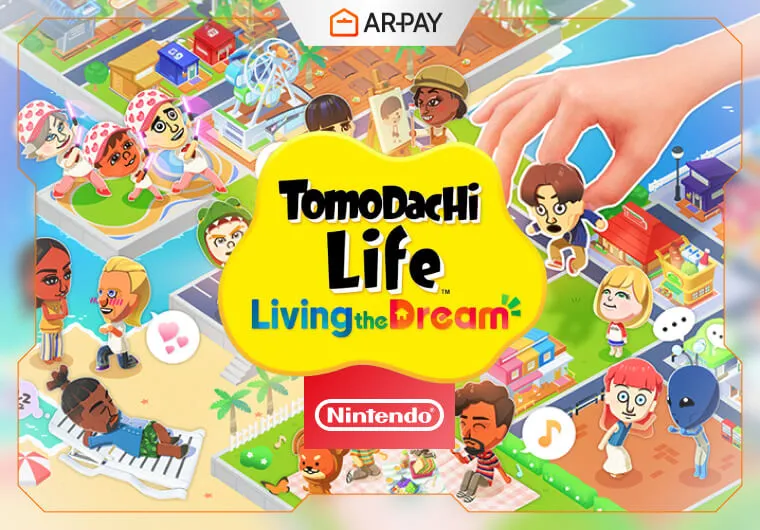
At its core, the game is a life sim built around Miis, relationships, and light intervention. You create characters, place them on an island, solve their little problems, and then watch their lives branch into friendships, arguments, crushes, songs, dreams, and strange moments that feel too specific to have been planned. It does not push you toward optimization, mastery, or fast progression. The reward is the story that forms on its own.
That organic storytelling is still the game’s strongest hook. A Mii based on a real friend or family member makes even a tiny event feel personal. A random confession or absurd dream sequence lands harder when the characters carry some real-world meaning for the player. This emotional projection is a major reason Tomodachi Life still feels memorable long after more technically ambitious games fade into the background.
Why players keep coming back
The biggest strength here is how low-pressure the structure feels. There is no traditional failure state hanging over every session, and there is very little punishment for checking in casually. You can visit the island, respond to a few needs, watch something funny unfold, and leave satisfied. In an era when many games demand constant attention, that relaxed rhythm feels refreshing rather than shallow.
Randomness also does a lot of heavy lifting. Daily visits can reveal different conversations, moods, conflicts, romances, or bizarre dream scenes, which means replay value comes less from structured content and more from emergent combinations. No two islands evolve in exactly the same way, and that unpredictability helps the game stay charming instead of repetitive.
Fun, comfort, and the risk of overattachment
So is it fun or addictive? The honest answer is that it is mostly fun because it turns maintenance into comedy and observation into attachment. But it can also become the kind of game players check obsessively, not because of aggressive monetization or hard difficulty, but because they want to see what their island residents do next. That is a softer kind of pull than most modern addiction loops, yet it is still a real one for the right player.
Compared with other life sims, Tomodachi Life still has a distinct tone: less management-heavy than many simulation games, less goal-driven than farming hybrids, and much more dependent on absurd humor. Even in 2026, that identity remains hard to replace. Players still ask for a follow-up or modern alternative, but any claim about a sequel or new official continuation should be treated carefully until Nintendo confirms it directly. []
Is it still worth playing?
Yes, especially if you value relaxed pacing, character-driven humor, and the feeling that a game is generating stories for you instead of assigning chores. It is not the deepest sim on the market, and it is not trying to be. Its value comes from personality, surprise, and emotional texture. For players who want a break from louder, busier games, that still goes a long way in 2026.