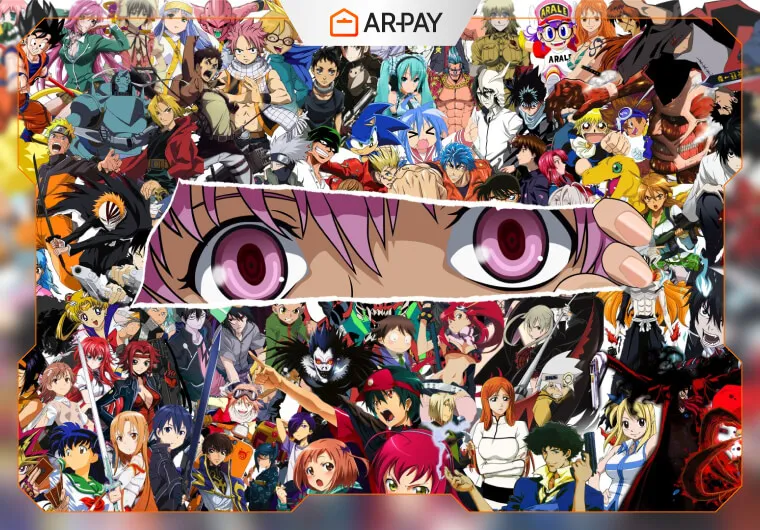
Streaming services have transformed anime from a niche interest into a global cultural force. What was once limited to late-night television blocks and specialty shops now reaches millions of viewers worldwide. This accessibility has introduced countless people to the medium's most compelling aspect: its characters.
This list ranks the 25 greatest anime characters based on their lasting influence, historical significance, and cultural impact. We considered how these figures shaped the medium, their complexity as characters, and their iconic designs that remain instantly recognizable decades later.
Get a Crunchyroll gift card from ARPay and unlock unlimited anime episodes instantly, no credit card needed. Start binge-watching greatness today.
Top 25 Greatest Anime Characters: Tier 5 Revealed
Astro Boy (Astro Boy)
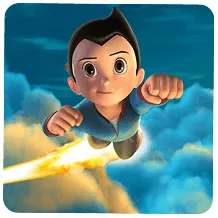
Osamu Tezuka's creation launched the entire industry. This robot with a human heart explored what it means to be alive during post-war Japan's reconstruction. His adventures tackled prejudice, warfare, and identity before most Western animation considered such themes appropriate for young audiences.
Key Impact:
- Established anime as a legitimate storytelling medium
- Introduced complex moral questions to children's programming
- Created the template for robot characters with human emotions
Check Our Picks for 2025’s animes: Top 10 Anime Rewards 2025: Must-Watch Series & Hidden Gems
Vash the Stampede (Trigun)
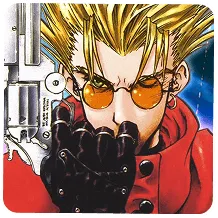
The "Humanoid Typhoon" wears his contradictions openly. Despite a bounty that makes him the most wanted man on the planet, Vash refuses to take a single life. His goofy exterior masks centuries of trauma and an unwavering commitment to pacifism that costs him dearly.
Why He Matters:
- Challenged the "might makes right" philosophy common in action anime
- Showed that strength and compassion aren't mutually exclusive
- His internal conflict between power and restraint influenced later anti-heroes
Lelouch Lamperouge (Code Geass)
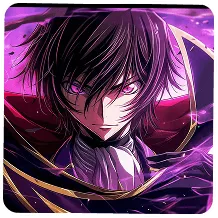
Behind the mask of Zero lies a brilliant tactician willing to sacrifice everything for his goals. Lelouch proves that good intentions can lead to terrible actions. His calculated moves against the Britannian Empire blur lines between hero and villain until the distinction becomes meaningless.
Character Significance:
- Redefined what anime protagonists could morally justify
- His strategic battles elevated mecha anime beyond simple combat
- The ending remains one of anime's most debated conclusions
Light Yagami (Death Note)

Hand a teenager a notebook that kills anyone whose name is written inside, and watch him try to become god. Light's transformation from justice-seeking student to megalomaniacal killer happens so gradually that viewers don't realize when they stopped rooting for him.
Cultural Impact:
- Made psychological thrillers mainstream in anime
- His cat-and-mouse game with L defined a generation of detective stories
- Explored how power corrupts with surgical precision
Dio Brando (JoJo's Bizarre Adventure)
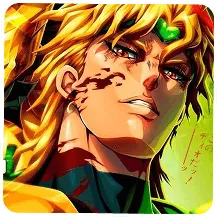
Few villains earn the hatred and admiration Dio commands. His century-spanning feud with the Joestar family makes him anime's most persistent antagonist. Every cruel act, every manipulated victim, every "WRYYYY!" scream cements his status as the villain everyone loves to hate.
Villain Legacy:
- Set the standard for multi-generational antagonists
- His time-stopping ability influenced countless battle systems
- Proved villains could carry a franchise through sheer charisma
Tier 4: Modern Legends and Complex Anti-Heroes (Ranks 20-16)
Gon Freecss (Hunter x Hunter)

Gon's quest to find his father Ging seems straightforward until it isn't. His childlike optimism gradually reveals something darker underneath. The Chimera Ant arc exposes how his single-minded determination can transform into terrifying ruthlessness when someone he loves gets hurt.
Character Evolution:
- Subverted the pure-hearted protagonist trope
- His breakdown remains one of anime's most shocking character turns
- Showed that heroes can be selfish without becoming villains
Motoko Kusanagi (Ghost in the Shell)

The Major exists at the intersection of humanity and technology. With a fully prosthetic body, she questions what makes someone human. Her philosophical musings on consciousness, identity, and existence elevated cyberpunk anime into serious science fiction territory.
Philosophical Impact:
- Raised questions about transhumanism decades before they became relevant
- Her design influenced Western sci-fi aesthetics
- Proved female action leads could carry complex narratives
Levi Ackerman (Attack on Titan)

Humanity's strongest soldier carries trauma in every precise movement. Modeled after Rorschach from Watchmen, Levi combines brutal efficiency with unexpected compassion. His dedication to his fallen comrades drives choices that shape the entire conflict between Paradis and Marley.
Strategic Importance:
- Redefined what skilled combatants look like in anime
- His cleaning obsession humanizes an otherwise stoic character
- Represents the cost of survival in a cruel world
Edward Elric (Fullmetal Alchemist)

The pint-sized alchemist pays for his mistakes with his brother's body and his own limbs. Ed's search for the Philosopher's Stone takes him through political corruption, religious extremism, and the nature of sacrifice. He learns that some things can't be fixed with alchemy alone.
Thematic Depth:
- Equivalent exchange became a framework for understanding consequence
- His relationship with Alphonse defines brotherly bonds in anime
- Tackled disability representation through his automail limbs
Monkey D. Luffy (One Piece)
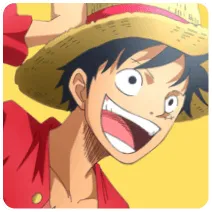
The future Pirate King stretches more than just his rubber body. Luffy's crew becomes his family, and his willingness to challenge the World Government for his friends makes him dangerous to the established order. His carefree attitude masks an iron will that bends others to his cause.
Ongoing Influence:
- Carries the longest-running shonen series through pure charisma
- His dream of freedom resonates across cultures
- Redefined what nakama (friendship) means to anime fans
Tier 3: Cultural Phenomena (Ranks 15-11)
L (Death Note)
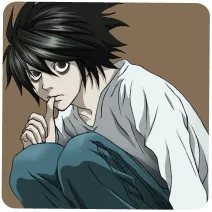
The world's greatest detective sits crouched like a gargoyle, eating sweets while unraveling Light's god complex. L's unconventional methods and inhuman deductive abilities make him the perfect opponent. His death halfway through the series shocked audiences and proved no one was safe.
Detective Archetype:
- Created the template for genius detective characters
- His quirks made intelligence entertaining rather than dry
- The L versus Light rivalry defined modern cat-and-mouse storytelling
Eren Yeager (Attack on Titan)

From revenge-driven teenager to genocidal adult, Eren's transformation remains controversial. His decision to activate the Rumbling stems from the same protective instinct that drove him to join the Survey Corps. The question becomes: at what point does protection become destruction?
Narrative Risk:
- Challenged audiences to stay with a protagonist who becomes monstrous
- His choices sparked real debates about morality and war
- Showed how trauma can radicalize even well-meaning people
Roronoa Zoro (One Piece)
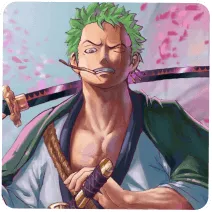
The three-sword-wielding swordsman gets lost walking down straight paths but never loses sight of his goals. Zoro's dedication to becoming the world's greatest swordsman matches Luffy's dream in intensity. His willingness to sacrifice himself for his crew at Thriller Bark remains one of anime's most powerful loyalty displays.
Loyal Warrior:
- Set the standard for second-in-command characters
- His training dedication inspired real-world fitness communities
- Proved comic relief characters can have serious depth
Sailor Moon / Usagi Tsukino (Sailor Moon)

The clumsy crybaby who'd rather eat cake than fight evil became an international icon. Usagi's magical girl transformation introduced millions to anime. Her power comes from love and friendship rather than violence, offering an alternative to male-dominated action shows.
Revolutionary Impact:
- Launched the magical girl genre into global consciousness
- Proved female-led action shows could succeed commercially
- Her reluctant heroism made her relatable to young audiences
Vegeta (Dragon Ball Z)
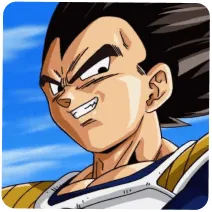
The Prince of All Saiyans can't accept second place. Vegeta's arc from ruthless villain to protective father spans decades of character development. His inferiority complex regarding Goku drives him to constant improvement, making him more human than the pure-hearted protagonist he chases.
Character Growth:
- Pioneered the rival-to-ally progression copied countless times since
- His Final Atonement sacrifice showed redemption through action
- Represents the struggle between pride and personal growth
Tier 2: Genre-Defining Icons (Ranks 10-6)
Sasuke Uchiha (Naruto)

Revenge consumed Sasuke until nothing else remained. His defection from Konoha broke Naruto's heart and drove the series' central conflict. The sole survivor of the Uchiha massacre, Sasuke's path to darkness and eventual redemption explores how trauma shapes destiny.
Rival Dynamics:
- His relationship with Naruto redefined shonen rivalries
- The curse mark and Sharingan became instantly iconic
- Showed that healing from trauma requires accepting help
Ichigo Kurosaki (Bleach)

The substitute Soul Reaper protects both living and dead. Ichigo's ridiculous power levels and constant new forms became memes, but his core remains protecting those he cares about. His human-Hollow-Quincy-Soul Reaper heritage makes him the bridge between worlds at war.
Series Anchor:
- His design influenced a generation of orange-haired protagonists
- Bankai activation sequences set standards for transformation scenes
- Proved reluctant heroes could carry long-running series
Shinji Ikari (Neon Genesis Evangelion)

Get in the robot, Shinji. Hideaki Anno's depressed protagonist shattered the mold of confident mecha pilots. Shinji's anxiety, self-loathing, and inability to connect with others reflected Anno's own struggles with depression. He gave audiences permission to acknowledge fear.
Psychological Breakthrough:
- First protagonist whose weakness was the point
- His mental breakdown influenced how anime portrayed mental health
- Created space for vulnerable male characters in action shows
Griffith (Berserk)
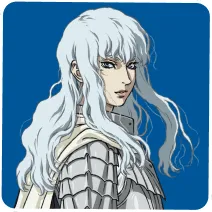
The beautiful leader of the Band of the Hawk sacrificed everything he claimed to love for his dream. Griffith's transformation into Femto during the Eclipse remains anime's most traumatic betrayal. His calculated charm masks sociopathic ambition willing to destroy worlds.
Compelling Antagonist:
- Redefined what anime villains could be
- His actions during the Eclipse created lasting trauma for readers and viewers
- Questions whether charisma excuses monstrosity
Spike Spiegel (Cowboy Bebop)
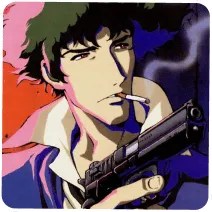
Whatever happens, happens. Spike drifts through space running from a past that won't let him go. His Bruce Lee-inspired fighting style and jazz-soaked melancholy created anime's coolest bounty hunter. The cigarette, the suit, the slouch defines effortless style.
Cool Personified:
- Set the aesthetic standard for anime anti-heroes
- His philosophical approach to life influenced Western animation
- The ending of Cowboy Bebop hinges entirely on his character arc
Tier 1: The Pillars of Anime (Ranks 5-1)
Johan Liebert (Monster)

The nameless monster manipulates entire cities into self-destruction. Johan's charisma and intelligence make him anime's most realistic and terrifying villain. He doesn't seek power or revenge. He simply wants to prove that people are inherently corruptible, and he's good at his job.
Psychological Horror:
- Created the template for realistic anime villains
- His methods inspired psychological thrillers for decades
- Proved anime could tell mature detective stories
Saitama (One-Punch Man)

The hero who's too strong parodies and celebrates shonen tropes simultaneously. Saitama's existential crisis stems from success rather than failure. He can defeat any opponent with one punch, which sounds great until you realize he's lost the thrill of genuine challenge.
Meta-Commentary:
- Deconstructed power scaling in action anime
- His deadpan delivery became iconic
- Showed that comedy and action could blend seamlessly
Naruto Uzumaki (Naruto)

The knucklehead ninja who refused to give up on anyone defined a generation. Naruto's journey from village pariah to Hokage mirrors his quest for acceptance. His determination to save Sasuke even when everyone else gave up demonstrated that bonds matter more than destiny.
Generational Impact:
- Synonymous with 2000s anime fandom
- His chakra system influenced countless power systems
- The "believe it" catchphrase transcended the show
Son Goku (Dragon Ball)
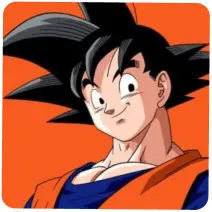
The Saiyan from Earth stands alone at the top. Akira Toriyama's creation didn't just influence anime; he influenced global pop culture. From his origins as a monkey-tailed child to his status as a multiversal protector, Goku's journey defines what it means to be a shonen protagonist.
His impact is undeniable. Every determined protagonist who gets back up after being knocked down, every character who breaks their limits through training, every series that features transformation sequences owes something to Goku. He's not just an anime character. He's the anime character.
Why He's Number One:
- Created the template copied by every major shonen series
- His transformations became cultural events
- Influenced animation and storytelling worldwide
- Remains relevant across multiple generations
- His pure love of combat transcends cultural boundaries
Conclusion
These 25 characters represent anime's ability to create figures that resonate across cultures and generations. From Astro Boy's post-war optimism to Goku's endless pursuit of strength, each character pushed the medium forward. They made us laugh, cry, think, and feel in ways that transcend their animated origins.
The diversity on this list reflects anime's range. Psychological depth sits alongside pure action. Complex villains earn spots next to idealistic heroes. This variety keeps the medium fresh and ensures there's something for everyone.
Don’t just read about the top 25 greatest anime characters — watch their legendary moments in HD.
Grab a Crunchyroll gift card from ARPay, redeem it in seconds, and dive into the worlds of the characters who shaped anime history.
FAQs
What about characters from slice-of-life or romance anime?
This list focuses primarily on action, psychological, and adventure anime because those genres tend to produce characters with the broadest cultural impact.
Slice-of-life and romance anime create wonderful, nuanced characters that resonate deeply with their audiences. However, figures like Haruhi Suzumiya or Tohru Honda, while influential within their genres, haven't achieved the same cross-cultural recognition as action-oriented characters. A separate list focusing on those genres would look quite different.
What makes these the greatest anime characters of all time compared to other rankings?
The top 25 greatest anime characters of all time were selected based on multiple factors that set them apart from typical character rankings. We evaluated lasting cultural influence, historical significance in shaping the anime industry, psychological complexity, and iconic visual design.
These anime characters didn't just entertain viewers; they fundamentally changed what audiences expect from the medium. Characters like Goku established genre conventions, while figures like Shinji Ikari challenged them.
The greatest anime characters transcend their original series to become cultural symbols recognized even by people who don't watch anime regularly.