PUBG offers multiple maps, and each one changes how fights unfold: sightlines, cover, rotation routes, and the distances you’re forced to take engagements. The original article focuses on four familiar names—Erangel, Vikendi, Miramar, and Sanhok—and describes the “feel” of each map using terrain, architecture, and typical battle ranges.
In 2026, map pools can rotate, maps can be updated or reworked, and playlists can differ by platform and region. So treat any statement about what a map “always” contains (loot density, weapon types, size, or layout) as something you should confirm in your current version before you rely on it.
Types of maps in the game PUBG (as described in the source):
- Erangel (described as simulating Russia).
- Vikendi (described as a snowy area in continental Europe).
- Miramar (described as a sandy Central America / Mexico-like desert).
- Sanhok (described as Southeast Asian forests).
First: Erangel map in PUBG
The original article describes Erangel as the “main” PUBG map, present from the first version and still famous today. Whether it is the main/default map in your 2026 playlist depends on what mode you’re playing and how map rotation is configured.
As described, Erangel is a large map made of two islands connected by bridges, with an Eastern European architectural vibe and varied terrain: open fields, forests, and moderately rugged mountains. It’s framed as a strong map for ambushes (especially near bridges) and mid-range fights supported by machine guns and snipers. Exact terrain layout and the strength of “bridge camping” depend on the current version.
How to play it smart in 2026: plan rotations early. If your route forces a bridge crossing, scout first, use smoke and cover, and avoid driving straight into unknown sightlines. When the circle lets you, rotate before the pressure spike so you’re not making your loudest move at the worst time.
Second: Vikendi map
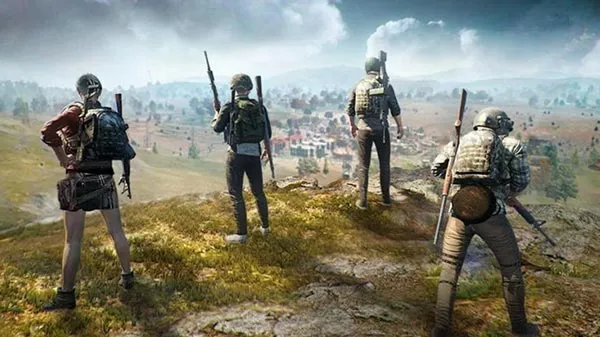
The source describes Vikendi as a 6x6 km island on the Adriatic Sea, surrounded by dense forest and snow, with snowy mountains toward the center and a Mediterranean-coast edge. Map size and exact geography should be verified against the current Vikendi build in 2026.
The tactical takeaway is still useful: snowy environments often change visibility. White ground can make movement stand out differently than grass or sand, and forests can turn long sightlines into short, sudden fights. If you struggle on Vikendi, simplify your plan: choose safe cover-to-cover rotations and avoid taking open-field duels unless you have a clear range advantage.
When you hear “snow map,” don’t assume it’s only about snipers. If forests and terrain breaks are common in your 2026 version, close-to-mid fights can happen constantly, and your success will come from audio awareness and quick cover usage.
Third: Miramar map in PUBG
The original article calls Miramar the second map added to PUBG and says it’s the largest by area, with a rugged desert environment and fewer hiding options because of fewer trees and buildings. Whether it is the “largest” and how cover is distributed depends on your current 2026 map set and any reworks.
Miramar rewards patience and distance control. If you treat every hill as a potential sightline, you’ll rotate differently: you’ll crest ridges cautiously, avoid silhouetting on skyline peaks, and pick routes that let you break line of sight quickly. The source also frames long-range fights and sniper usage as normal and essential here, which matches how open desert maps tend to play.
A practical 2026 rule: if you don’t have cover, create a reason to not be shot at—smoke for crossings, vehicle repositioning, or using terrain dips. And if you take a long fight, commit to either finishing it quickly or disengaging; drawn-out peeks on open maps usually turn into third-party magnets.
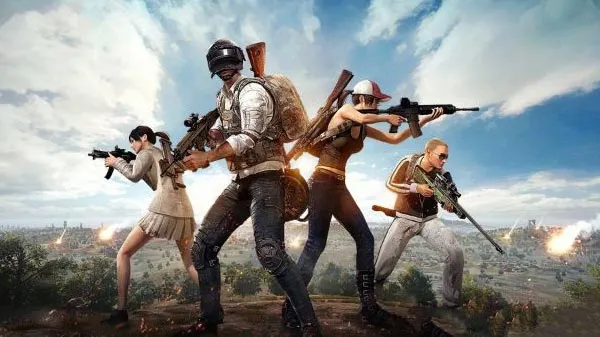
Fourth: Sanhok map in PUBG
The source says Sanhok has many fans because it’s a smaller area—“four times smaller than the two basic maps”—so everything is closer and you don’t travel long distances. Exact scale comparisons should be verified in 2026, especially if maps have been rebalanced.
As described, Sanhok is a tropical island with dense forests, rocks, and trees that provide lots of hiding spots. The source concludes that battles are shorter and end faster because more players are compressed into a smaller space. That’s a useful expectation for many small maps: you’ll fight earlier, rotate less, and rely more on quick decision-making than long-term positioning.
If you struggle on Sanhok-style maps in 2026, don’t fix it by taking more fights. Fix it by taking cleaner fights. Pre-aim common angles, clear close cover before you loot, and avoid sprinting through dense vegetation without a reason—sound and surprise decide a lot of outcomes.
Choosing a map that fits your style
The simplest way to pick what you enjoy is to match map traits to your comfort zone. Large, open maps tend to reward long-range patience and rotation discipline. Smaller, dense maps tend to reward fast reactions, close-range confidence, and good audio awareness. Your best map is the one where your habits produce consistent results.
- If you love ambushes and controlled mid-range fights, you’ll often feel comfortable on Erangel-style terrain.
- If you prefer high visibility and long duels, you’ll often enjoy Miramar-style desert play.
- If you want frequent fights and shorter rotations, Sanhok-style small maps tend to deliver that pace.
Where to find and buy PUBG gift cards?
The original article included a promotional paragraph about prepaid cards and listed specific denomination ranges and “best prices.” Those claims are time-sensitive, vary by region, and can’t be verified from the source alone, so treat them as outdated in 2026.
If you’re buying any gaming gift card or top-up in 2026, the safe checklist is consistent: confirm the correct region, confirm the redemption method, and confirm what happens if you enter the wrong account ID. Refund and exchange policies vary across stores and platforms.
Conclusion
Erangel, Vikendi, Miramar, and Sanhok are described as four distinct PUBG experiences: bridges and varied terrain, snow-and-forest islands, open desert sightlines, and compact tropical chaos. In 2026, the names may be familiar, but the details can shift with updates and playlists. Use this guide as a “how the map wants you to play” snapshot, then confirm the current map version and rotation in your mode before you treat any single characteristic as permanent.