
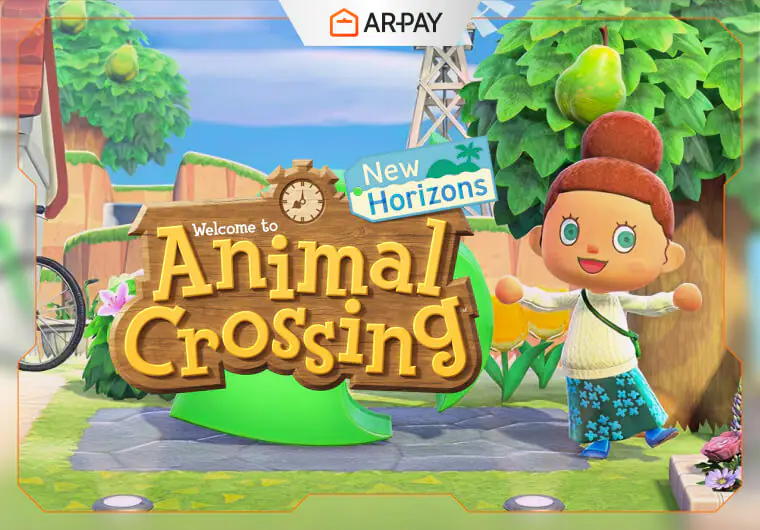
Since its launch in March 2020, Animal Crossing: New Horizons has captured the hearts of millions of players around the world — and it shows no sign of losing its charm. Whether you’ve been tending your island for years or you’re curious about why everyone still talks about it, this game offers something rare: a genuinely peaceful, creative, and emotionally resonant experience that no other title has quite managed to replicate. Here’s a deep look at the five core reasons why Animal Crossing: New Horizons continues to feel magical, no matter when you press play.
Read More: Animal Crossing 3.0 vs Switch 2: Free or Paid Upgrade?
1. A Unique Kind of Escape You Can’t Replicate
Most video games are built around tension — completing missions, defeating enemies, racing against timers. Animal Crossing: New Horizons flips that formula entirely. There is no villain, no health bar, and no way to lose. The only goal is to build the island life you want, at whatever pace feels right.
This makes the game a form of digital mindfulness. The act of watering flowers, chatting with a friendly villager, or simply watching the sunset over the ocean has a calming, grounding effect that many players describe as genuinely therapeutic.
Real-World Anecdote: After long, stressful workdays, countless players have reported turning to their island as a decompression ritual — spending 20–30 minutes doing simple tasks like fishing or decorating to mentally transition away from work mode. The game’s gentle pace makes it uniquely suited for this kind of emotional reset.
What makes this especially powerful is the real-time clock system. The game mirrors actual time — morning feels like morning, rainy days feel atmospheric, and seasons shift with the real-world calendar. This creates an immersive sense of living somewhere, not just playing a game.
Key Highlights
- No failure states means no stress-induced frustration
- Real-time seasons create a living, breathing world that evolves with you
- Simple, repetitive tasks like fishing and fossil-digging have a meditative quality
- Background music adapts to the time of day, enhancing the calm atmosphere
2. Total Freedom That Turns Players Into Creators
Animal Crossing: New Horizons introduced a level of creative freedom that the series had never seen before. With the terraforming tool, players can reshape the literal geography of their island — moving cliffs, redirecting rivers, and reshaping the coastline to match their exact vision.
This replaced traditional game progression systems (leveling up, unlocking content) with something far more personal: creative progression. The island becomes a long-term project, a living portfolio of design choices that grows richer and more detailed over time.
Viral Island Design Examples: Themed islands have gone massively viral online — players have recreated real-world cities, built full fantasy kingdoms, designed Japanese zen gardens, and even constructed replica museums and amusement parks. Some island tours receive millions of views on video platforms, inspiring entire waves of new design trends.
The custom pattern system allows players to design clothing, artwork, paths, and flags from scratch using pixel-art tools built directly into the game. Combined with furniture placement, lighting choices, and landscaping, the creative toolkit is genuinely expansive.
Key Highlights
- Terraforming gives players full control over cliffs, rivers, and land shape
- Thousands of furniture items allow near-infinite interior and exterior design combinations
- Custom clothing and pattern design add a fashion and art dimension
- No two islands ever look the same — creativity is the real endgame
3. Villagers That Feel Surprisingly Real
One of the most unexpected dimensions of Animal Crossing: New Horizons is how deeply players bond with their villagers — the animal residents who live on the island. On the surface, they are simple AI characters with scripted dialogue. In practice, they feel like neighbors, friends, and even family members.
Each villager has a distinct personality type, daily routine, and evolving dialogue that acknowledges shared history. They remember gifts, mention things discussed before, and celebrate the player’s birthday with a surprise party. When a villager decides to leave the island, players often describe the moment as genuinely sad.
Community Phenomenon: Player-run “favorite villager” rankings and stories are some of the most popular content in the Animal Crossing community. Discussions about specific villagers — their quirks, their kindness, or even their perceived rudeness — generate enormous engagement. Certain villagers have achieved near-celebrity status in the fanbase.
This emotional connection is carefully engineered through small, consistent details:
Key Highlights
- Villagers approach the player proactively with gifts, stories, and questions
- Birthday events create personal, memorable milestone moments
- Farewell scenes when a villager moves away are surprisingly affecting
- Gift exchanges build a sense of reciprocal relationship over time
- Personality types ensure a diverse social ecosystem on every island
4. The 3.0.2 Update Proves the Magic Isn’t Gone
The latest 3.0.2 update for Animal Crossing: New Horizons serves as a poignant reminder of the game’;s enduring legacy. As of April 15, 2026, Nintendo continues to refine the island experience, blending nostalgia with technical precision to ensure the community’s creative journey remains uninterrupted and rewarding.
25th Anniversary Celebration Content
To honor the franchise’s historic milestone, Nintendo has introduced exclusive 25th Anniversary content that bridges the gap between the past and present. The centerpiece of this celebration is the Leaf Statue, a stunning, glowing commemorative furniture item that illuminates any island space with a mystical aura. This item is not found in Nook’s Cranny; instead, it is delivered directly to the player’s in-game mailbox, accompanied by a nostalgic thank-you letter from the development team. This gesture serves as a symbolic connection to the franchise’s origins, specifically honoring the original release on the Nintendo 64 in 2001, reminding long-time fans of how far the series has traveled.
Meaningful Bug Fixes and Quality‑of‑Life Improvements
Beyond the celebratory items, version 3.0.2 addresses several critical technical hurdles that have impacted player progression and world interaction. Key improvements include:
- Hotel Management Stability: Resolved frustrating soft-lock issues occurring in hotel rooms. These glitches, previously triggered by specific furniture placements or unpredictable guest behavior, often forced players to restart their sessions.
- Crafting Integrity: A significant bug in the DIY system has been fixed. Previously, crafting multi-item recipes could erroneously consume incorrect materials from the player’s inventory; this update ensures that resource management is now 100% accurate.
- Environmental Interactions: Various visual and physical interaction fixes have been applied to island elements, including the behavior of snowballs, dung beetles, and the spawning of rocks and glowing island spots.
- DLC Optimization: For fans of the Happy Home Paradise expansion, the update includes vital fixes for vacation home progression, ensuring that your career as a resort designer remains smooth and bug-free.
Read More: Nintendo Switch 22.1.0: Upgrade Now or Miss Features
5. A Community That Extended the Game Beyond the Island
Animal Crossing: New Horizons gave rise to one of the most positive and creative gaming communities in recent memory. The game’s social features — particularly Dream Addresses, which allow players to visit a dream copy of someone’s island without altering it — turned individual creative projects into a global gallery of inspiration.
Island tours became their own genre of content. Players share detailed walkthroughs of their islands on video platforms, receiving millions of views and inspiring waves of new design ideas. The community effectively created an ongoing, collaborative visual culture around the game.
Real-World Community Events: During periods when in-person gatherings weren’t possible, players used Animal Crossing: New Horizons to host virtual meetups, birthday parties, graduation celebrations, and even weddings. The game became a genuine social platform — a place where people maintained real relationships through a digital space.
The community also drove longevity through creative challenges, design contests, and trading networks for rare items. Platforms dedicated entirely to Animal Crossing content — from island ratings to villager trading — grew into thriving ecosystems of their own.
Key Highlights
- Dream Addresses created a global island-viewing culture with no barriers to entry
- Trading communities for rare villagers and items built social networks around the game
- Video content creators built entire channels around island tours and tutorials
- Virtual events gave the game real social utility beyond entertainment
- Community challenges kept design momentum alive years after launch
Conclusion
Animal Crossing: New Horizons endures because it was built around something deeper than gameplay mechanics. It was built around feeling — the feeling of calm, the feeling of creativity, the feeling of belonging to something warm and gentle in a world that often isn’t.
Its five core pillars — emotional escape, creative freedom, genuine villager bonds, seasonal content, and an inspired global community — work together to create an experience that is genuinely difficult to replicate. No single element alone explains the magic. It’s the combination that makes it last.
Whether the island has been untouched for months or visited daily, it has a way of welcoming players back without judgment. That kind of experience — one that meets you where you are, every time — is rare in any medium, not just gaming.
If the island has been sitting quiet for a while, now is the perfect time to dust off the Nook Phone. There’s a new season waiting, villagers have been missing their neighbor, and there are flowers that need watering.
What’s your favorite memory from Animal Crossing: New Horizons? Is there a villager who holds a special place in your heart, a design project you’re proud of, or a moment that made the game feel truly magical? Drop it in the comments below — every island has a story worth telling.
Ready to rediscover the magic of Animal Crossing: New Horizons? Top up your Wallet with Nintendo gift cards, load up your Switch, and jump back into island life whenever inspiration strikes. Get your gaming funds ready and start your cozy comeback today.

FAQs
Is Animal Crossing: New Horizons still worth playing in 2025?
Absolutely. The game’s relaxing gameplay loop, deep creative tools, and rich seasonal content make it just as enjoyable today as at launch. Whether starting fresh or returning to an existing island, there is always something new to discover or build.
What makes Animal Crossing: New Horizons different from other games in the series?
New Horizons introduced terraforming for the first time, giving players the ability to reshape their island’s geography completely. It also offered more furniture, deeper customization, and a more robust online multiplayer experience than any previous entry in the series.
How long does it take to “finish” Animal Crossing: New Horizons?
There is no traditional ending. The game is designed around long-term, open-ended play. Some players spend hundreds of hours working on island design, completing the Critterpedia, or building relationships with villagers. The main story arc involving K.K. Slider can be reached in 7–14 days of regular play.
What is the best way to get rare villagers in Animal Crossing: New Horizons?
Rare or popular villagers can be obtained through Mystery Island Tours using Nook Miles Tickets, through the Campsite mechanic, or by visiting friends’ islands where a villager is preparing to move out. Online trading communities also connect players looking to exchange specific villagers.

Maha Amer
I’m Maha, a Turkish content writer at ARPay Blog. I love helping readers explore the exciting world of gift cards, vouchers and gaming deals. With a focus on delivering up-to-date information, With a guarantee for an easy, quick and 100% safe shopping process.