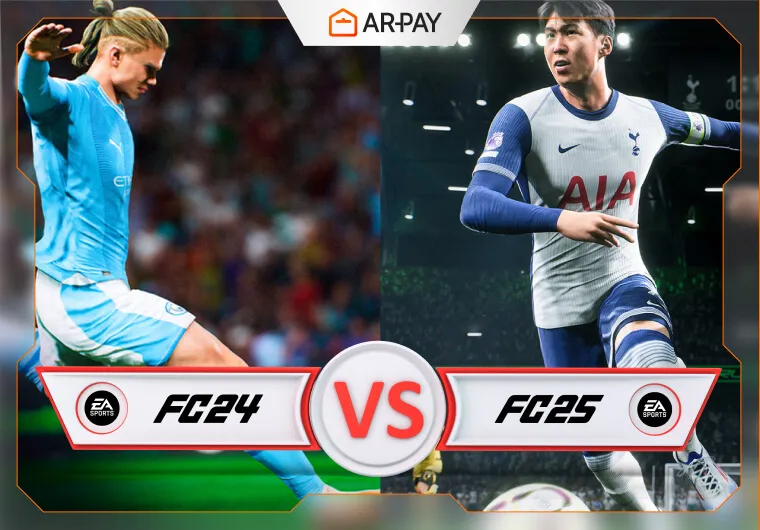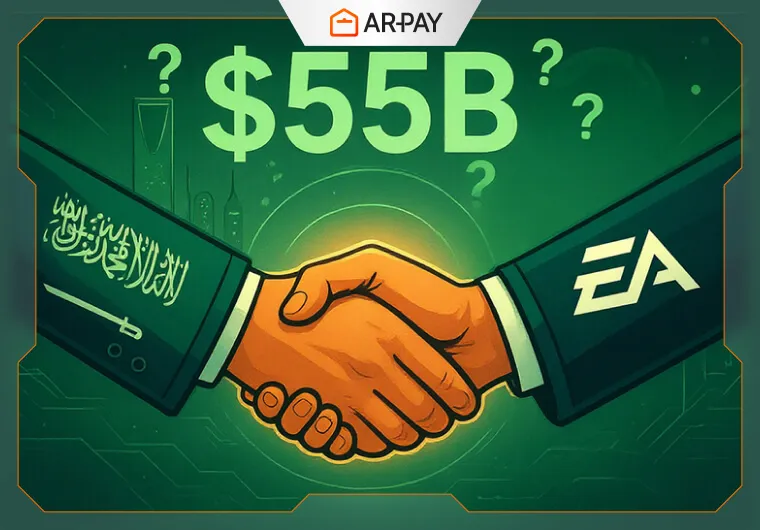
The gaming world just witnessed its biggest leveraged buyout ever. Saudi Arabia's Public Investment Fund, teaming up with private equity giants, agreed to acquire Electronic Arts for roughly $55 billion.
This isn't just another business deal buried in financial pages. If you've ever played FIFA (now EA Sports FC), Apex Legends, or any EA title, this affects you directly. The company behind your favorite games just changed hands, and the new owners have plans that go far beyond quarterly earnings reports.
The stakes are massive: Will EA's beloved franchises keep their identity? Can Saudi Arabia pull off one of the most ambitious pivots in modern business history? And what does it mean when a nation buys the company that makes the world's most popular football game?
Saudi Arabia EA Acquisition: Deal Details and Financial Structure
Who's Writing the Check?
The Saudi Public Investment Fund isn't new to big spending. They've already dropped billions on golf, football clubs, and Formula 1. But this EA purchase represents their boldest gaming bet yet. They're not going solo, though. Silver Lake, a tech-focused private equity firm, and Affinity Partners – run by Jared Kushner – are joining the consortium.
The Numbers Behind the Headlines
Here's how they structured the deal:
- $36 billion in equity: Real money changing hands upfront
- $20 billion in debt financing: Borrowed funds that EA will need to pay back
- Premium pricing: Shareholders got roughly 30% more than EA's trading price before talks leaked
The math here matters. That $20 billion debt means EA needs to generate serious cash flow, year after year, to service the loans while still developing games.
When Does This Actually Happen?
Regulatory approvals take time. Antitrust authorities in the US, EU, and other regions need to sign off. Shareholders have to vote. Early estimates suggest the deal closes somewhere in late 2025 or early 2026, assuming no major roadblocks emerge.
Saudi Arabia Vision 2030 and Gaming Strategy
Vision 2030: Beyond Oil Money
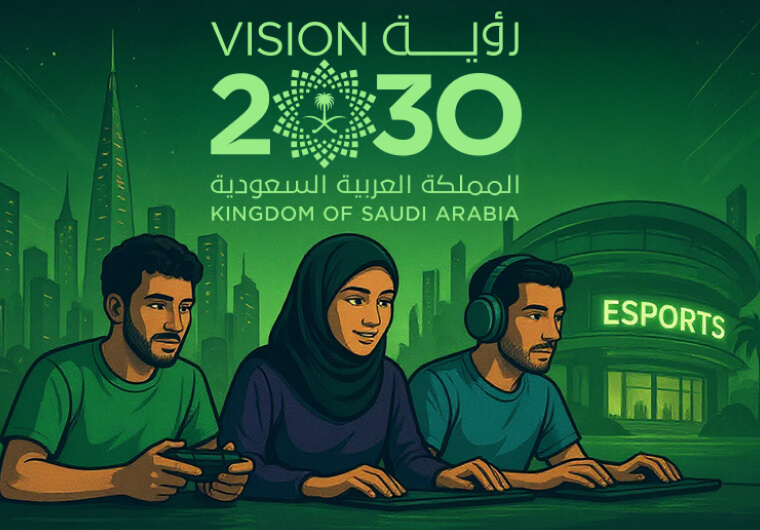
Saudi Arabia knows oil won't last forever. Their Vision 2030 blueprint aims to transform the economy before the wells run dry. Gaming represents a perfect target: it's growing, it's global, and it prints money when done right.
The kingdom already invested heavily through Savvy Games Group, which itself commands a $38 billion war chest. They've taken stakes in Nintendo, Capcom, and others. EA represents the crown jewel – a complete platform with established franchises and millions of daily players.
Why Gaming Makes Sense for Saudi Arabia
The domestic market tells part of the story. Saudi Arabia has one of the highest per-capita gaming populations globally. Young Saudis grew up on consoles and mobile games. They already spend heavily on in-game purchases and subscriptions.
But the real prize is global influence. Owning EA means controlling cultural touchpoints that reach billions. EA Sports FC alone connects with football fans across every continent. That's soft power you can't buy with oil revenue or diplomatic cables.
The Esports Angle
Saudi Arabia wants to become the esports capital of the world. They're hosting major tournaments, building state-of-the-art arenas, and courting professional teams. Owning EA gives them the keys to some of gaming's most competitive titles. They control the game, the tournaments, and potentially the entire competitive ecosystem.
Read more: Saudi Arabia E-Sports: How the Kingdom Rules Gaming in 2025?
EA $55 Billion Deal: Risks and Criticism
That $20 Billion Debt Problem
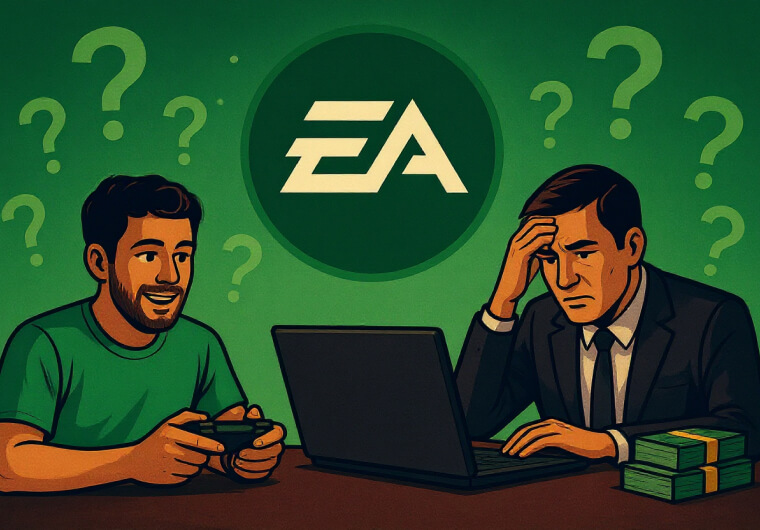
Let's talk about the elephant in the room. EA now carries massive debt that needs servicing. That means consistent revenue, which typically translates to playing it safe. Think more annual franchise releases, more microtransactions, fewer experimental projects.
Games like EA Sports FC, Madden, and Apex Legends generate predictable income. But what about risks? New IP? Passion projects that might not hit sales targets? Those become harder to justify when you're paying interest on billions in loans.
Will Creativity Take a Hit?
EA already faces criticism for favoring sequels over originality. Some fear this deal makes that worse. When private equity gets involved, efficiency often trumps artistry. If a game takes five years to develop and might flop, why not just release FC 26, FC 27, and FC 28 instead?
Developers inside EA are reportedly nervous. Job cuts often follow major acquisitions as new owners look to "optimize" operations. That usually means fewer people doing more work under tighter deadlines.
The Sportswashing Question
Critics accuse Saudi Arabia of "gameswashing" – using entertainment investments to distract from human rights concerns and improve their international reputation. They've faced similar accusations over golf's LIV tour, boxing matches, and football club investments.
EA employees and fans have raised questions about values alignment. The gaming community tends to skew progressive on social issues. Saudi Arabia's laws and practices don't exactly match that demographic's values. How does EA square that circle?
EA Buyout vs Microsoft Activision: Gaming Industry Comparisons
The Microsoft Comparison
Microsoft bought Activision Blizzard for $69 billion in 2023, making it the biggest gaming acquisition ever. The EA deal ranks second but comes with a crucial difference: it's heavily leveraged. Microsoft used cash reserves. Saudi Arabia is using significant debt.
Microsoft wanted Call of Duty, World of Warcraft, and King's mobile games for Game Pass and Xbox. Saudi Arabia wants EA for different reasons – global influence, domestic development, and Vision 2030 goals. The strategies couldn't be more different.
Saudi Arabia's Gaming Shopping Spree
This isn't their first rodeo:
- Savvy Games Group: Founded with $38 billion specifically for gaming investments
- ESL Gaming/FACEIT acquisition: Bought for $1.5 billion to control esports infrastructure
- Stakes in Nintendo, Capcom, Nexon: Strategic positions in major publishers
- Mobile gaming investments: Partnerships with studios across Southeast Asia
The pattern is clear: Saudi Arabia isn't making one-off bets. They're systematically building a gaming empire from infrastructure to content to distribution.
What the Saudi EA Deal Means for Gamers and EA Sports FC
Changes Coming to EA
Expect restructuring. New ownership typically means new priorities, new executives, and new strategies. Some possibilities:
- Headquarters shift: Maybe not immediately, but long-term moves toward regional offices in Riyadh seem likely
- Local studio development: Saudi Arabia wants domestic game development talent. EA's resources could train the next generation
- Franchise evolution: EA Sports FC might see Middle Eastern leagues get more attention and investment
- Monetization changes: Different markets have different spending patterns. Expect strategies tailored to Gulf region preferences
Industry-Wide Ripples
Other publishers are watching closely. If this succeeds, expect more sovereign wealth funds eyeing gaming companies. The industry is consolidating fast – Embracer Group, Tencent, and others already control massive portfolios.
Competition might actually increase. A well-funded EA could challenge Microsoft and Sony more effectively. Or it could spark an arms race where everyone tries to lock down exclusive franchises and talent.
For players, consolidation cuts both ways. More resources could mean better games and bigger budgets. But less competition often means fewer choices and more aggressive monetization.
Saudi Arabia's Scorecard
Success for Saudi Arabia looks like several things:
- Financial returns: The investment needs to pay off or at least break even while serving other goals
- Talent development: Building a domestic gaming industry that can compete globally
- Cultural influence: Being seen as a gaming destination rather than just an oil state
- Soft power gains: Improving international perception through entertainment rather than diplomacy
The real test comes in five to ten years. Can they build studios? Develop homegrown talent? Create hits that aren't just rehashes of Western formulas? Those answers determine whether this was genius or folly.
Conclusion
Saudi Arabia just made a $55 billion statement: they're serious about gaming. This isn't a vanity project or random diversification. It's a calculated bet that entertainment and technology can transform their economy and global standing before oil becomes obsolete.
For EA fans and players, uncertainty looms. The company that makes your favorite games now answers to very different masters with very different priorities. Will EA Sports FC feel different in three years? Five years? Will innovation suffer under debt pressure? Or will new investment push boundaries?
One thing's certain: gaming just became a geopolitical chess piece. And the game is just beginning.
Want a tip that will elevate your gaming experience overall? Use Gaming Gift Cards to explore endless games and get multiple features with Ar-Pay.
FAQs
Will EA Sports FC change because of Saudi ownership?
The core gameplay likely stays similar in the short term, but expect shifts in regional content. Middle Eastern leagues might get more detailed representation, and regional tournaments could receive more prize money and promotion. Long-term changes depend on how much creative control the new owners exercise versus letting EA's development teams work independently.
Can EA still afford to take risks on new games with $20 billion in debt?
This is the big question. Debt servicing creates pressure for reliable revenue, which usually means leaning on proven franchises. Experimental projects and new IP become harder to justify when every dollar needs to count. Some analysts worry this kills innovation, while others argue massive funding could enable bigger bets on select projects. The next few years will reveal which path EA takes.
Why does Saudi Arabia want to own a gaming company?
Gaming fits their Vision 2030 plan to diversify away from oil. They're building a tech-focused economy, and gaming offers cultural influence, job creation, and connection with their young population who already game heavily. Owning EA gives them a global platform, esports infrastructure, and a training ground for domestic talent. It's economic strategy wrapped in soft power ambitions.