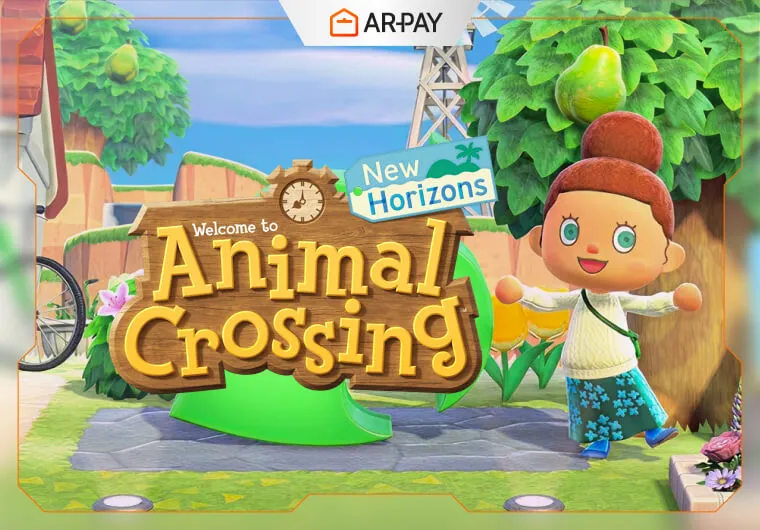
Animal Crossing: New Horizons is still worth your time in 2026 because the game was built around habits, expression, and emotional comfort rather than a fast content treadmill. It launched on March 20, 2020, and its major content era peaked with the free Ver. 2.0 update and the Happy Home Paradise expansion on November 5, 2021, but the core appeal has held up because those systems were designed for years of revisit value (source: Nintendo).
Last verified: 2026-06-04
1. It remains one of gaming's gentlest escapes
A lot of games ask for urgency. New Horizons asks for attention. That difference is why it still feels special. There is no fail state hanging over your island, no combat loop, and no pressure to optimize every session. You can log in, shake trees, sort your pockets, water flowers, or simply wander the beach and still feel like you made meaningful progress. That design has aged well because stress-free games are not easy to fake. Plenty of cozy titles borrow the surface aesthetics, but far fewer match the sense that the game is happy to meet you wherever your energy level is.
The real-time clock is still central to that feeling. Morning light feels different from late-night island walks, rainy days change the mood without turning into a punishment, and the seasonal calendar creates a soft reason to come back without demanding that you grind. Nintendo leaned into that living-calendar approach from the start, and it remains one of the clearest reasons the island feels inhabited instead of merely decorated (source: Nintendo).
That is also why returning players usually reconnect fast. New Horizons does not require you to memorize a complex meta before re-entry. If you have been away for months, the game does not punish the gap. You notice weeds, villagers mention your absence, and then the loop quietly restarts. That low-friction welcome is rare, and it gives the game a kind of emotional durability that more system-heavy life sims often lose over time.
2. The creative toolkit still feels generous
New Horizons changed the series by letting players shape not just a house or a town, but the island itself. Terraforming, waterscaping, outdoor furniture placement, path design, and custom patterns turned progression into authorship. That shift is a huge reason the game still feels magical: your island reflects your taste more directly than most console simulation games allow.
The breakthrough moment came when Nintendo expanded the design ceiling with the major free update released on November 5, 2021, adding features such as Brewster's cafe, Kapp'n boat tours, Harv's Plaza shops, gyroids, cooking, and expanded decoration options (source: Nintendo). Even though Nintendo described that release as the last major free content update, it also made the game feel more complete rather than abruptly abandoned (source: Nintendo). Players were left with a toolbox broad enough to keep producing fresh island concepts long after the update cadence slowed.
That matters because creativity in New Horizons is not abstract. You can build a tidy fishing village, a crowded city core, a forest shrine route, a pastel suburb, or a museum district that feels like a curated public space. The custom design system lets players create clothes, flags, signs, fake storefronts, and illusion-heavy ground art, which means even the game's fixed assets can be remixed into something that looks personal. The result is that two islands with similar furniture can still feel completely different in tone.
That long-tail creativity is one reason the game continues to generate tours, screenshots, and redesign inspiration years after launch. It is not just that people decorate well. It is that the game gives them enough control to build places with narrative identity. You are not merely arranging items. You are deciding what your island says about you.
3. Villagers still make the island feel personal
Animal Crossing has always depended on its residents, and New Horizons still gets surprising mileage out of them. Villagers are simple in mechanical terms, but emotionally they do more work than many bigger-budget companions. They send letters, react to gifts, ask for favors, comment on your clothes, and make the island feel socially textured even on days when you are not pursuing a goal.
The series also benefits from clarity. Each villager belongs to one of 8 personality types, which helps Nintendo deliver recognizable rhythms without making every resident feel interchangeable (source: Nintendo). That structure is not subtle, but it is effective. Over time, players start reading the island as a little neighborhood with habits, clashes, and favorites. When someone asks to move away, the decision still carries emotional weight because the game has spent so long building familiarity through small interactions rather than dramatic scenes.
This is where New Horizons still outperforms many newer cozy games. Plenty of them offer romance systems or heavier dialogue trees, but they often feel transactional. Animal Crossing instead uses repetition, routine, and low-stakes conversation to create attachment. The villagers rarely dominate your play session, yet they keep shaping its mood. That balance is a big part of the magic.
4. Its seasonal rhythm still gives the game a heartbeat
New Horizons has not stayed relevant by flooding players with constant novelty. It stays relevant because the calendar keeps making old spaces feel new. Bug-catching in summer has a different energy from mushroom season, snowfall changes how your town reads at a glance, and limited-time events create soft milestones without turning the game into an obligation. Those returns are cyclical rather than disposable.
Nintendo's holiday events, museum collecting, weather shifts, and monthly critter rotation were always designed around this calendar logic, and that design still works in 2026 because the game is not trying to outrun itself (source: Nintendo). When you come back in a different month, the island can feel familiar and freshly framed at the same time. That is a subtle trick, but it is one of the reasons the game keeps earning revisits instead of one final farewell.
It also helps that New Horizons reached a stable, mature state. The biggest systems are already in place. The museum is still satisfying to fill, island ordinances and cooking added meaningful routine after Ver. 2.0, and Happy Home Paradise gives decorators a parallel lane that is less constrained than their home island career (source: Nintendo). Instead of feeling incomplete, the game now feels settled, which is a good place for a life sim to land.
5. The community gave it a life beyond Nintendo's update schedule
The final reason New Horizons still feels magical is that players did not treat it as a game to finish. They treated it as a place to share. Dream Addresses, custom design codes, trading culture, island tours, screenshot communities, and challenge runs effectively turned private islands into public inspiration boards. Even if you mostly play solo, the broader culture around the game keeps feeding new ideas back into your own save.
That was obvious during the game's early years, but it has stayed true because the sharing formats are evergreen. A beautiful entrance plaza is still beautiful years later. A clever forced-perspective street still teaches useful design tricks. A well-themed villager neighborhood still makes people want to rebuild. The community extended the life of the game by making islands legible as creative work rather than disposable progress snapshots.
There is also a practical side to that community. Returning players can find inspiration quickly, learn efficient island-cleanup strategies, compare layout ideas, and get help chasing furniture or villager goals without needing a fresh official roadmap. In other words, Nintendo stopped delivering major free expansions after Ver. 2.0, but players kept delivering reasons to care (source: Nintendo). That is often the clearest sign that a game has moved from hit status into comfort-classic territory.
What has changed, and what has not
If you are coming back after a long break, the most important correction is this: New Horizons is not magical in 2026 because it is receiving constant new official drops. It is magical because the version that exists now is rich, stable, and flexible enough to keep generating personal meaning. The huge sales splash and lockdown-era cultural moment of 2020 cannot be repeated, but the game no longer needs that context to work (source: Nintendo financial results).
That distinction matters for expectations. If you want a live-service game with weekly reinvention, this is not it. If you want a welcoming game that turns small rituals into something memorable, New Horizons still has very few peers. It remains one of Nintendo's strongest examples of design that values mood as much as mechanics.
The bottom line
Animal Crossing: New Horizons still feels magical because its best ideas were never tied only to launch hype. The island is still a soft place to land after a long day. The creative ceiling is still high enough to absorb hundreds of hours if you want it to. Villagers still create attachment through routine. Seasons still make return visits feel worthwhile. And the community still helps the game feel alive, even without a constant stream of official surprises.
For players who never stopped checking in, that magic probably feels familiar. For players thinking about a return, it is still there, just in a calmer form. Dust off the island, pull weeds, talk to your neighbors, and see how quickly the rhythm comes back. If you want to reload your Nintendo balance before you return, the same AR-PAY gaming gift card page is here: https://ar-pay.com/en/category/gaming-gift-cards