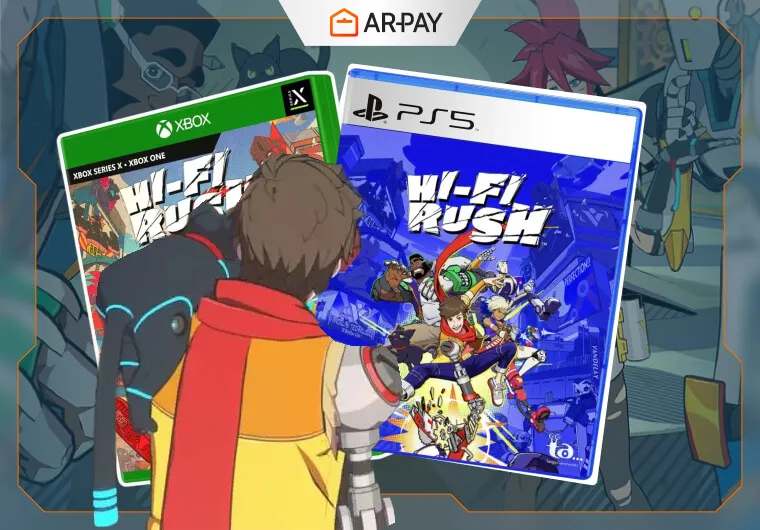
Quick answer: the Hi-Fi Rush "Limited Run Editions" physical drop is best treated like a timed collector pre-order, not a normal retail launch—check the window dates, pick the edition that matches how you actually play, and assume reprints are not guaranteed. Last verified: 2026-04-30.
Hi-Fi Rush started life as a digital-first surprise and quickly became one of those rare rhythm-action games that feels instantly shareable: flashy, readable, and built around momentum. It originally broke out in 2023. Now it’s crossing the collector threshold: a physical release, produced as Limited Run editions, via Limited Run Games in partnership with KRAFTON.
Why a physical Hi-Fi Rush release matters
Limited-run physical releases aren’t just “the same thing on a disc.” They’re a distribution model with a different set of tradeoffs: you get a tangible copy and often bonus goods, but you also inherit the pressure of a pre-order window, shipping lead times, and the reality that availability can be tied to a single run.
This kind of release also changes who the product is for. A standard physical copy is for players who simply prefer discs. A premium edition is for collectors who want a curated “time capsule” that shows a game had cultural weight. The Limited Run framing is telling you, up front, which lane this is in.
Pre-order window: what “open” usually means (and why you should still act early)
In the announcement framing, the pre-order window opens January 16, 2026 and runs until March 1, 2026. “Open pre-order” generally means you’re not fighting a one-minute sellout, but you are still buying inside a fixed time window, and the window closing can be as final as a sellout if you miss it.
Practical advice: don’t wait until the final week. If you need to coordinate with a household, confirm platform choice, or decide which edition is worth it, you want buffer time. And if your payment method, address, or account details need a fix, you want to discover that while the window is still open.
Platforms: what you’re actually buying
The physical editions are positioned for console disc buyers, with Limited Run describing the release for PlayStation 5 and Xbox Series X. That means your “right” purchase is mostly about matching hardware you already use and keeping your expectations aligned with how physical ownership works today: updates and patches may still apply after you install, even if the disc is the core license.
The three-edition problem: how to choose without overpaying
The pitch is simple: three distinct editions designed for different kinds of fans. The trap is also simple: people buy the biggest box because scarcity feels like value. The better approach is to choose based on how you’ll experience the game two years from now.
Use this quick filter:
- If you just want the game physically: pick the base edition and stop. Your future self will care more that you have a playable copy than that you have the most packaging.
- If you love the soundtrack, art direction, or behind-the-scenes “making of” energy: pick the mid-tier edition if it meaningfully adds those materials.
- If you are a real collector (display space, care for condition, and you actually keep boxes): pick the top edition. Otherwise you are renting clutter with interest.
One underrated point: if you’re buying physical because you want the game to feel “complete,” spend some of that energy on the setup you’ll actually play on—controller comfort, storage, and audio matter more to moment-to-moment enjoyment than most extras. If you’re doing small upgrades, keep it focused and price-check before you add anything to cart (see: ).
What to expect after you order
Limited-run physical releases commonly have a lag between the end of the pre-order window and fulfillment because manufacturing and assembly are often scheduled after orders are locked. This is normal, but it does mean you should treat your confirmation email and order details as important documents. If you move addresses or change payment details after ordering, deal with it early, not at the end.
Frequently Asked Questions
What happens if I miss the pre-order window for Hi-Fi Rush physical editions?
If you miss the pre-order window, your options are limited. Limited Run Games typically does not reprint editions, so you’ll need to wait for a potential future restock (which is not guaranteed) or look for resale opportunities, often at higher prices.
Are there any regional restrictions for Limited Run Games shipments?
Limited Run Games generally ships worldwide, but delivery times and costs can vary depending on your region. Check their shipping policy for specific details before placing your order.
How do updates work with physical copies of Hi-Fi Rush?
Physical copies require the same online updates as digital versions. The disc includes the base game, but day-one patches or future content may still need to be downloaded and installed separately.