Have you Ever wondered if your PUBG skills could actually pad your wallet? You're in the right place. Gaming isn't just a hobby anymore, it's a legit path to earning money.
The global e-sports market has exploded, creating unprecedented opportunities for skilled players to monetize their gaming talents.
PUBG specifically offers multiple revenue streams that go way beyond just winning matches. From streaming to coaching, the possibilities are wide open.
Why should you care? Because your countless hours of dropping into Erangel, mastering weapon mechanics, and outsmarting opponents could actually become your financial springboard.
Ready to explore how you can turn your PUBG expertise into some cash? Let's break down 6 strategies that’ll help you start earning.
Stay informed about all PUBG updates and events in one place. Check the latest PUBG news on the ARPAY Blog.
What Works vs. What Doesn’t: Maximizing Your PUBG Earning Potential
Success in the PUBG economy has shifted significantly as we head into 2026. While the "dream" is to get paid for playing, the reality is that certain strategies yield high returns while others often result in wasted hours. To help you navigate the competitive landscape, we have analyzed the current market data to contrast the high-impact habits of top earners against the common pitfalls that hold most players back.
The Success Blueprint: Strategic Comparison
Generating a sustainable income from PUBG requires moving beyond "casual play" and adopting a business mindset. The following breakdown highlights the critical differences between profitable ventures and low-return activities across the six major monetization pillars.
Monetization MethodWhat Works (High ROI)What Doesn’t (Low ROI)TournamentsJoining structured scrims and regional qualifiers with a dedicated, consistent squad."Solo-queuing" in random open lobbies with no team coordination or strategy.StreamingEstablishing a strict broadcast schedule and focusing on high-level viewer engagement.Streaming at irregular hours or playing in silence without interacting with the chat.YouTubeCreating "Searchable" content like meta-guides, patch breakdowns, and tactical tutorials.Uploading raw, unedited 30-minute gameplay sessions with no commentary or hooks.Item TradingFlipping rare, "liquid" skins and limited-edition event cosmetics with high demand.Hoarding common "Grey" tier items or falling for "get rich quick" external site scams.Esports TeamsBuilding a professional portfolio (VODs) and networking in high-tier Discord divisions.Waiting to be "discovered" by a big org without participating in the competitive circuit.CoachingSpecializing in a niche (e.g., "DMR Mastery" or "Rotation Logic") and using verified platforms.Offering vague "general tips" without a structured lesson plan or proof of rank.
Why Consistency Trumps Skill
While being a "god-tier" aimer is helpful, the industry data shows that consistency is the primary driver of PUBG revenue. Top-tier streamers and content creators often earn more than tournament winners because their income is not dependent on a single match outcome. Diversifying your approach—such as streaming your tournament practices or selling coaching sessions based on your competitive experience, creates a "compounding effect" that stabilizes your monthly earnings.
Avoid the "Grind Trap"
A common mistake among new gaming entrepreneurs is the "Grind Trap"—believing that simply playing more hours will naturally lead to more money. In the current market, mindless grinding is a low-value activity. Instead, professional players focus on VOD Review (analyzing mistakes) and Market Analysis (tracking skin price trends). High earners spend roughly 30% of their time on "meta-work", the administrative and strategic side of their brand, rather than just clicking heads in Erangel.
How to Earn Money From Playing PUBG - 6 Hidden ways
Engaging in Competitive Paid Tournaments
Competitive tournaments represent the most direct route to earning money through PUBG. Here's how to turn your gaming skills into cash:
Tournament Landscape
- Local and regional competitions offer entry-level opportunities
- International tournaments provide higher stakes and bigger prize pools
- Platforms like ESL, PUBG Global Series, and regional championships host regular events
Skill Requirements
- Master advanced movement techniques
- Develop consistent aim and strategic positioning
- Understand complex map rotations and team communication
- Practice coordinated team play for squadbased tournaments
Prize Structure
- Top tournaments offer cash prizes ranging from $500 to $100,000
- Smaller local events typically provide $50-$500 winnings
Getting Started inEngaging in Competitive Paid Tournaments
- Research and Register for Local Tournaments: Platforms like ESL or PUBG Global Series offer tournaments at different skill levels. Start with local events and move to larger, international tournaments as you improve.
- Practice Consistently: Focus on mastering advanced movement, aiming, and strategy. Consistent training and team coordination are key.
- Build a Competitive Team: For team-based events, find reliable teammates who share the same commitment to improvement.
- Track Your Progress: Use tools like PUBG Tracker to track your stats and improve your gameplay.
Training Strategies
- Invest in quality gaming equipment
- Participate in online scrimmages
- Watch professional player strategies
- Join dedicated PUBG competitive Discord servers
Financial Potential
- Top 1% of players can earn $2,000-$5,000 monthly
- Consistent tournament participants can generate supplemental income
- Sponsorships often follow successful competitive performance
Pro tip: Treat tournaments like a professional sport. Your dedication, practice, and strategic approach determine your earning potential.
Trust Note:
Official Tournament Platforms OnlyEnsure you're participating in legitimate tournaments hosted on trusted platforms like ESL, PUBG Global Series, and others. Avoid third-party websites that might expose you to scams or unreliable prize payouts.
Streaming Your Gameplay
Streaming transforms your gaming passion into a potential revenue stream. Here's how to build a successful PUBG streaming career:
Platform Selection
- Twitch remains the top platform for gaming streams
- YouTube Gaming offers alternative audience reach
- Facebook Gaming provides additional monetization options
- Consider multiplatform streaming to maximize exposure
Monetization Channels
- Subscriber revenue
- Viewer donations
- Ad revenue sharing
- Channel sponsorships
- Affiliate marketing with gaming gear brands
Steps to Streaming Your Gameplay
- Choose a Platform: Start by streaming on platforms like Twitch, YouTube, or Facebook Gaming. Twitch is particularly known for gaming streams.
- Invest in Streaming Equipment: A high-quality microphone, webcam, and strong internet connection are essential for a professional stream.
- Create a Schedule and Stick to It: Consistency is key to building an audience. Stream at least 3-5 times a week, focusing on peak hours for gaming audiences.
- Engage Your Viewers: Use interactive features like live chat to engage with your audience and build a loyal community.
- Monetize Your Stream: Once you have a consistent audience, apply for the monetization programs on these platforms (e.g., Twitch Affiliate, YouTube Partner Program).
Building Your Channel
- Develop a unique streaming persona
- Consistent streaming schedule
- Interact actively with viewers
- Create entertaining commentary
- Showcase highskill gameplay moments
Technical Requirements
- High-quality microphone
- Stable internet connection
- Professional streaming setup
- Engaging overlay designs
- Stream deck for smooth transitions
Audience Growth Strategies
- Collaborate with other PUBG streamers
- Participate in community events
- Use social media for crossplatform promotion
- Create highlight reels for YouTube
- Engage in PUBG community forums
Income Potential
- Beginner streamers: $50-$200 monthly
- Midtier streamers: $500-$1,500 monthly
- Top PUBG streamers: $3,000-$10,000 monthly
Trust and Security Reminder:
Only Use Verified Streaming PlatformsStreaming your PUBG gameplay on platforms like Twitch, YouTube, and Facebook Gaming ensures that you are protected under their privacy and safety guidelines. We recommend only using official services to prevent any security risks or account issues.
To Add UC using PUBG gift cards you need to follow the 4 steps ARPAY Guide to redeem PUBG Gift Cards.
Creating YouTube Content Around PUBG
YouTube offers a rich platform for transforming your PUBG gameplay into a potential income source. Here's a strategic breakdown:
Steps to Creating YouTube Content Around PUBG:
- Set Up Your Channel: Create a professional YouTube channel with a recognizable name and consistent branding.
- Create Content: Focus on creating content that adds value; tutorials, strategy guides, highlight reels, or even PUBG news.
- Optimize for SEO: Use keyword-rich titles, descriptions, and tags to help your videos rank on YouTube search results (e.g., “PUBG Best Weapon Loadouts” or “PUBG Advanced Tactics”).
- Promote Your Videos: Share your videos on social media platforms, gaming forums, and in PUBG communities.
- Enable Monetization: Once you meet YouTube's 1,000 subscribers and 4,000 watch hours, apply for the Partner Program and start earning ad revenue.
Content Types
- Highlight reels showcasing epic moments
- Advanced strategy guides
- Weapon and map analysis
- Funny and entertaining gameplay clips
- Character and loadout reviews
- Tournament breakdowns
Monetization Strategies
- YouTube Partner Program
- Ad revenue from views
- Sponsored content partnerships
- Affiliate links for gaming gear
- Merchandise sales
- Patreon support from dedicated fans
Content Creation Tips
- Invest in quality video editing software
- Learn basic graphic design skills
- Create consistent thumbnail styles
- Use engaging video titles
- Keep videos concise and high energy
- Develop a recognizable editing style
Technical Requirements
- High resolution screen recording
- Clear audio commentary
- Professional video editing
- Quick rendering and upload processes
- SEO friendly video descriptions
Channel Growth Tactics
- Post consistently
- Engage with viewer comments
- Crosspromote on social media
- Collaborate with other PUBG creators
- Analyze performance metrics
Income Potential
- New creators: $50-$200 monthly
- Growing channels: $500-$2,000 monthly
- Established YouTubers: $3,000-$10,000 monthly
Safety Tip:
Follow YouTube’s Monetization PoliciesEnsure your content adheres to YouTube's policies to avoid demonetization or account issues. Familiarize yourself with community guidelines and make sure all content is original, ensuring long-term channel growth and security.
Read also: How to Buy PUBG Gift Card with a Visa Card – Complete Guide
Selling InGame Items and Accounts
Turning your PUBG inventory into cash requires strategy and careful navigation. Here's a comprehensive guide:
Understanding the Marketplace
- Rare skins hold significant value
- Limited edition items
- Some cosmetics can sell
- Know platform-specific trading rules
Item Valuation Factors
- Rarity of the item
- Condition and wear level
- Current market demand
- Historical price trends
- Special event or seasonal items
Safe Trading Platforms
- Steam Community Market
- Third party trading websites
- PUBG's official marketplace
- Discord trading communities
- Verified skin trading forums
Steps to Sell InGame Items and Accounts:
- Identify Valuable Items: Start by identifying rare skins or high-ranked accounts. Use platforms like Steam Community Market to determine which items have high demand.
- Sell through Verified Platforms: Only use trusted platforms for transactions to avoid scams. Consider Steam, verified third-party marketplaces, or official PUBG trading forums.
- Maintain Account Integrity: If selling accounts, ensure they are in good standing with a credible gaming history.
Account Sales Strategy
- Highranked accounts command premium prices
- Document account achievements
- Provide clear performance statistics
- Maintain account's competitive history
- Use secure transfer methods
Legal and Risk Management
- Check game's terms of service
- Use secure payment platforms
- Verify buyer authenticity
- Protect personal information
- Use escrow services for large transactions
Pricing Your Items
- Research current market rates
- Start with competitive pricing
- Be flexible with negotiations
- Track market fluctuations
- Consider seasonal price changes
Income Potential
- Rare skins: $50-$500 per item
- Highranked accounts: $100-$1,000
- Consistent traders: $200-$1,500 monthly
Trust Note:
Secure Your Transactions We recommend using trusted platforms like the Steam Community Market or official PUBG trading forums to safely buy and sell items. Always use secure payment methods and double-check that you're following PUBG's terms of service to avoid account bans.
Unlock exclusive rewards and boost your PUBG journey with PUBG and PUBG Mobile gift cards from ARPAY! Get the edge you need in competitive tournaments and streaming, while securing in-game items to enhance your gameplay.
Joining PUBG Esports Teams
Professional PUBG esports teams represent the pinnacle of competitive gaming. Here's your roadmap to breaking into this elite world:
Team Selection Criteria
- Exceptional individual performance
- Consistent tournament rankings
- Strategic game understanding
- Mental resilience under pressure
Professional Requirements
- Minimum age: 16-18 years old
- Hightier ranked match performance
- Dedicated practice schedule
- Quick decisionmaking skills
Steps to Joining PUBG Esports Teams
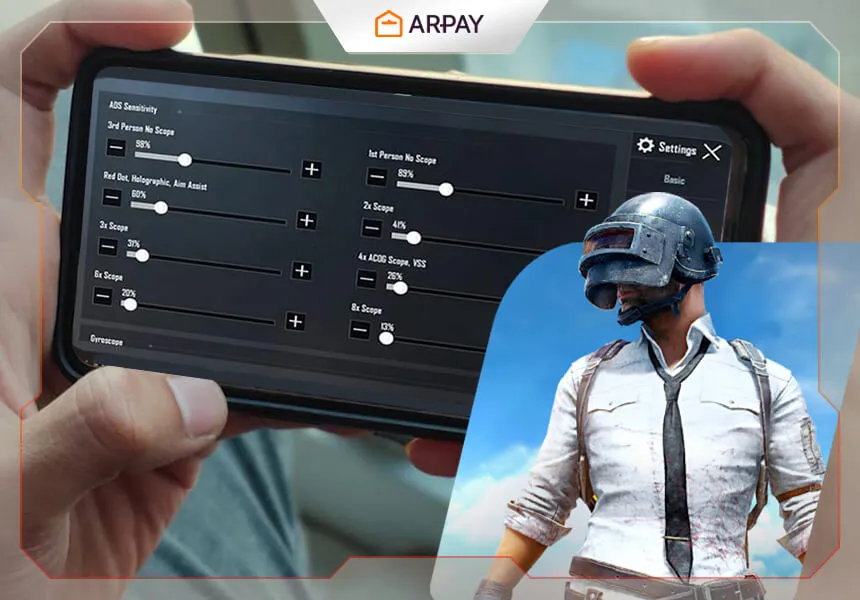
- Master the Game: Improve skills like aiming, strategy, and team coordination. Understanding PUBG Mobile sensitivity settings is crucial to maximizing your accuracy and reaction time.
- Participate in Tournaments: Join local and regional events to build a competitive record.
- Join Communities: Network in PUBG Discords and forums for recruitment opportunities.
- Build a Social Media/Streaming Presence: Stream regularly and share highlights to grow your audience.
- Apply for Tryouts: Look for team tryouts and submit top performances.
- Show Teamwork: Demonstrate strong communication and collaboration during tryouts.
- Stay Persistent: Continuously improve and engage with the esports community.
Skill Development
- Master advanced game mechanics
- Study professional team strategies
- Analyze top players' gameplay
- Develop unique playstyle
- Build physical gaming endurance
Networking Strategies
- Participate in online scrimmages
- Join competitive PUBG Discord servers
- Attend local gaming events
- Connect with team managers
- Build social media presence
- Share gameplay highlights
Tryout Preparation
- Create comprehensive gameplay portfolio
- Record consistent high performance matches
- Develop individual highlight reels
- Prepare professional player resume
- Practice teambased scenarios
- Learn multiple character roles
Income and Opportunities
- Entry level team salary: $1,000-$3,000 monthly
- Midtier professional teams: $3,000-$7,000 monthly
- Top international teams: $7,000-$25,000 monthly
- Additional tournament prize money
- Potential sponsorship deals
Trust and Risk Reminder:
Avoid ScamsBe cautious of “too good to be true” offers from unknown organizations. We advise networking through reputable channels like Discord communities and professional gaming events. Ensure that any team you join has verified credentials and is serious about esports competition.
Become a PUBG Coach
Coaching offers a unique path to monetize your gaming expertise. Here's how to transform your skills into a coaching business:
Coaching Skill Assessment
- Analyze your personal gameplay strengths
- Identify unique strategic insights
- Understand different player skill levels
- Develop clear teaching methodologies
- Recognize individual player learning styles
Teaching Methods
- Create personalized training plans
- Break down complex strategies
- Use screen sharing and live gameplay analysis
- Provide constructive feedback
- Develop custom practice drills
- Track player improvement metrics
Coaching Platforms
- ProGuides
- Skill Share
- Gamer Sensei
- Personal website
- Discord coaching servers
- Social media coaching channels
Setting Coaching Rates
- Beginner rate: $15-$30 per hour
- Intermediate coach: $30-$50 per hour
- Advanced expert: $50-$100 per hour
- Package deals for multiple sessions
- Sliding scale for younger players
Steps to Become a PUBG Coach
- Assess Your Skills: Make sure you have in-depth knowledge of PUBG and can break down strategies clearly.
- Sign Up on Coaching Platforms: Join platforms like ProGuides or Gamer Sensei where players look for expert coaches.
- Set Your Coaching Rates: Start with a competitive rate (e.g., $15-$30 per hour) and gradually raise it as you gain more testimonials and client success stories.
- Build a Portfolio: Showcase your coaching skills by recording your sessions and sharing student improvements on social media and gaming forums.
Building Your Coaching Brand
- Create demonstration videos
- Share success stories
- Develop a professional online presence
- Collect and showcase student testimonials
- Specialize in specific PUBG skills
- Network with gaming communities
Marketing Strategies
- Use social media platforms
- Create educational content
- Offer free initial consultations
- Develop a professional portfolio
- Engage in gaming forums
- Collaborate with other coaches
Advanced Coaching Techniques
- Psychological game improvement
- Team communication strategies
- Mental resilience training
- Advanced map strategy
- Equipment and setup optimization
Income Potential
- Part-time coaching: $500-$1,500 monthly
- Full-time professional coaches: $2,000-$5,000 monthly
- Top tier coaches: $5,000-$10,000 monthly
Trust Note:
Use Verified Coaching PlatformsWhen offering PUBG coaching services, always use reputable platforms like ProGuides or Gamer Sensei. Avoid unverified websites that may jeopardize your reputation and income.
Unlock exclusive in-game rewards and boost your competitive edge with PUBG New Stat Gift Cards! Get a 10% discount on the 300 NC Gift Card at ARPAY, and level up your gaming experience today!
Conclusion
You've just explored a comprehensive roadmap for transforming your gaming skills into potential income. Remember, success in the gaming world isn't about overnight miracles, it's about consistent effort, strategic planning, and genuine passion.
Each path, from streaming to coaching, tournament play to sponsorships – requires dedication. Start small, focus on improving your skills, and build your reputation gradually. The gaming industry continues to grow, offering more opportunities for skilled players.
Your PUBG journey can be more than just entertainment. With the right approach, strategy, and commitment, you can potentially turn your gaming passion into a sustainable income source.
Stay motivated, keep learning, and most importantly, enjoy the process!
Ready to level up your PUBG experience? Visit ARPAY today to purchase gift cards and unlock exclusive in-game content that boosts your gaming potential!
FAQ
How much can I actually earn from PUBG?
Earnings vary wildly. Top streamers pull in thousands monthly, while casual players might pocket $100- $500. Your income depends on skill, audience engagement, and how many revenue streams you tap into.
Can I make a full-time living from PUBG esports?
Yes, but it requires consistent high-level performance, sponsorships, and a strong personal brand. Top professional players and streamers can earn significant amounts, but it may take time to build a stable income.
How long does it take to start making money from Playing PUBG?
There's no magic number. Some creators see initial earnings within months, others take a year or more. Success depends on your unique approach, content quality, and how well you connect with your audience. Consistency is your best friend here.
How are earnings paid out in PUBG esports?
Earnings from tournaments or sponsorships are typically paid via bank transfers, PayPal, or other secure payment methods. Prize money is awarded after the conclusion of events, and payouts are made according to the terms of the tournament organizers.
What's the biggest mistake new gaming entrepreneurs make?
Trying to copy everyone else. Your unique voice matters. Don't just replicate what popular streamers do. Find your niche, develop your style, and create content that genuinely reflects your passion and personality.
What equipment do I need to start streaming PUBG?
For a quality streaming experience, you’ll need:
- A high-performance gaming PC or console
- A good microphone and camera
- A stable internet connection
- Streaming software (like OBS or Streamlabs)
- Engaging overlays and a professional setup to make your stream visually appealing
- A dedicated stream schedule to build an audience
Are there any hidden fees or scams in esports payouts?
Be cautious of teams or tournaments that ask for entry fees or offer unusually high rewards with no clear payout structure. Always verify the legitimacy of the event or organization before making any financial commitments.
What are the risks involved in monetizing PUBG?
Risks include exposure to scams, account bans, and falling into the "grind trap." Always protect your personal data, avoid dubious offers, and ensure you follow PUBG's official policies and terms of service. Additionally, competition can be fierce, so balancing time and effort to avoid burnout is important.
Are PUBG gift cards safe to use?
Absolutely! When buying PUBG gift cards, make sure to use official, verified retailers like ARPAY, which prioritize your privacy and security during all transactions.