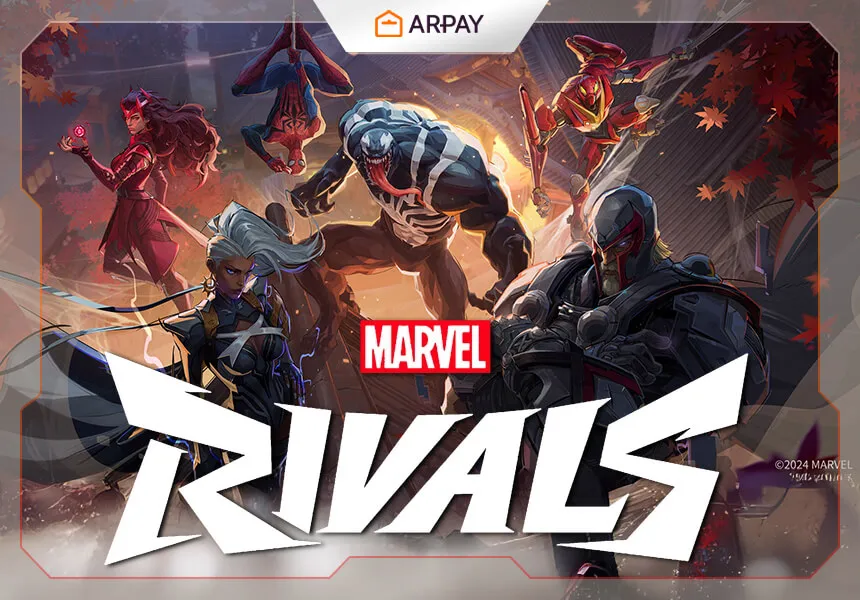
Marvel Rivals Plot Overview
The storyline involves an aggressive fight between Doctor Doom and his 2099 counterpart, as several universes converge in a fashion termed the Timestream Entanglement. This has given way to a new world and other crises, which have heroes and villains across the multiverse fighting each other. The main objective here is to defeat the variants of Doctor Doom before one emerges victorious over the new worlds.Marvel Rivals Mechanics and Features
Marvel Rivals has several exciting gameplay mechanics and features that truly set it apart as a hero shooter:Gameplay Mechanics
- Hero Variety: The game launches with 33 different heroes and villains, each with their unique abilities and ways of playing. Characters like Hawkeye, Human Torch, and Ultron all bring something very different onto the battlefield1.
- Dynamic Combat: Fast-paced real-time combat with a combination of melee attacks, ranged abilities, and special powers. The game focuses on skill, strategy, and teamwork.
- Game Modes: Marvel Rivals includes several game modes like Domination mode of capturing and holding objectives, Convoy-that means escorting and defending, and Convergence, which is a mixture of both. Each game mode presents its unique challenge and requires different strategies.
- Team-Based PVP: The game's main concentration is team-based battles that allow players to cooperate and work out a strategy to defeat the opposing team.
- Customization: The heroes can be customized with skins, clothes, and accessories that take inspiration from the Marvel Universe.
- Practice Modes: The tutorial and practice modes help new players learn the mechanics and hone their skills.
Features
- Cross-Platform Play: Marvel Rivals supports cross-platform play, whereby players on any system can easily team up and compete together.
- Seasonal Updates: It shall receive regular updates and new content that might include new heroes, game modes, and story elements.
- Microtransactions: Even though it's a free-to-play game, microtransactions for cosmetic items and other in-game purchases are included.
- Community Events: Regular community events and challenges keep things fresh in this game for the players.
- Server Selection: It allows players to select from multiple server nodes around the world for better ping and matchmaking.
Team-Based PVP Gameplay Dynamics
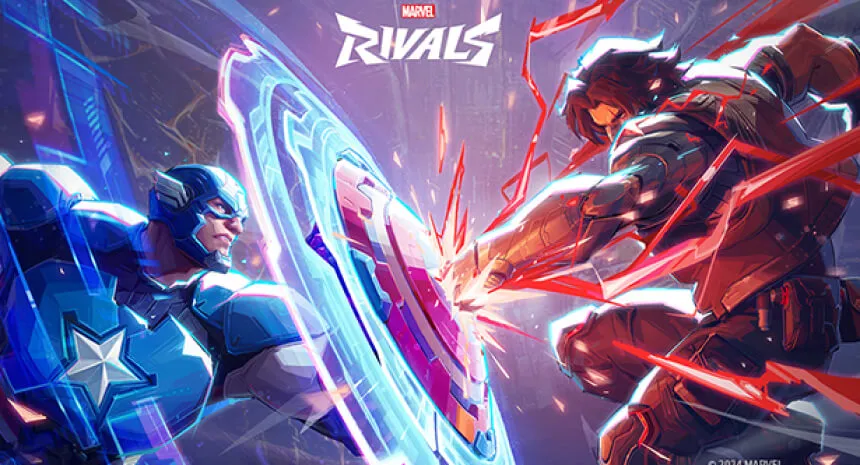 Marvel Rivals features dynamic and engaging team-based PVP gameplay dynamics that keep the action thrilling and strategic:
- 6v6 Battles: The game supports 6v6 matches, ensuring balanced and competitive gameplay where teamwork is crucial.
- Destructible Environments: Players can destroy parts of the environment, creating new pathways and strategic advantages. This adds a layer of tactical depth as players must adapt to the changing battlefield2.
- Hero Synergy: Combining abilities with teammates can lead to powerful combos and unexpected strategies, making each match unique and exciting.
- Fast-Paced Action: Emphasizing quick reflexes and decision-making, fast-paced combat keeps players on their toes.
- Environmental Interaction: Use the environment to gain advantages over opponents, be it through cover, high ground, or environmental hazards.
- Dynamic Game Modes: There are several modes that provide different objectives and challenges while playing, so no two matches are alike.
Marvel Rivals Playable Characters
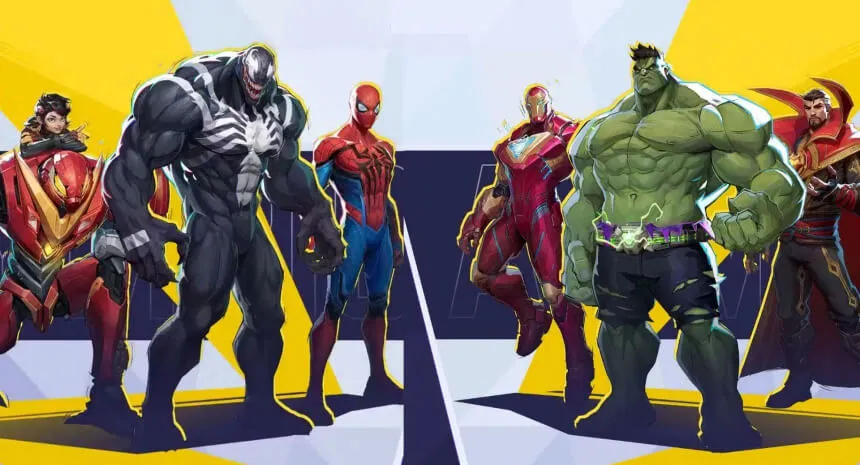 The confirmed Marvel Rivals characters so far are:
- Star-Lord
- Hela
- Namor
- Loki
- Magik
- Groot
- Rocket Raccoon
- Luna Snow
- Black Panther
- Iron Man
- Hulk
- Spider-Man
- Doctor Strange
- Magneto
- Mantis
- Peni Parker
- Venom
- Adam Warlock
- Scarlet Witch
- Storm
- The Punisher
- Jeff the Land Shark
- Thor
- Captain America
- Winter Soldier
- Psylocke
- Moon Knight
Marvel Rivals Technical Requirements
Minimum Requirements
- CPU: Intel Core i5-6600K or AMD Ryzen 5 1600X
- RAM: 12 GB
- VIDEO CARD: NVIDIA GeForce GTX 1060 or AMD RX 580
- DEDICATED VIDEO RAM: 3072 MB
- PIXEL SHADER: 6.0
- VERTEX SHADER: 6.0
- OS: Windows 10 64-bit
- FREE DISK SPACE: 70 GB
Recommended Requirements
- CPU: Intel Core i5-10400 or AMD Ryzen 5 5600X
- RAM: 16 GB
- VIDEO CARD: NVIDIA GeForce RTX 2060 (Super) or AMD Radeon RX 5700 XT
- DEDICATED VIDEO RAM: 8192 MB
- PIXEL SHADER: 6.0
- VERTEX SHADER: 6.0
- OS: Windows 10 64-bit
- FREE DISK SPACE: 70 GB
Conclusion
Marvel Rivals is an exciting, first-person shooter involving heroes, to be released on December 6, 2024. It shall include 33 popular heroes and villains of Marvel. It offers dynamic, team-based PVP gameplay, including destructible environments, hero synergy, and different game modes. Cross-platform gameplay across PlayStation, Xbox, Nintendo Switch, and PC via Steam is ensured for a wider gaming experience. Along with regular updates, a diverse character roster, and strategic gameplay, Marvel Rivals promises epic battles for both Marvel and competitive gamers alike. Get ready to join the fight and master your favorite characters in this action-packed adventure! Read More: Marvel vs Capcom Fighting Collection Release Date 2024FAQs
What platforms are Marvel Rivals available on?
Marvel Rivals is available on Steam, Xbox Series X/S, and PS5.Does Marvel Rivals support cross-platform play?
Yes, cross-platform matchmaking is supported, but competitive mode does not match PC users with console users.What are the game modes in Marvel Rivals?
The game includes Domination, Convoy, Convergence, Quick Match, and Competitive Mode.What kind of content can be expected in seasonal updates?
Seasonal updates will introduce new story elements, characters, and maps.What This Guide Is For
Marvel Rivals: Mastering Heroes, Villains, and Epic Battles is the kind of title that suggests two things at once: a character-driven combat game and a learning curve worth taking seriously. Players searching for this topic usually want practical guidance—how to approach fights, how to pick a role that fits their style, and how to improve without wasting time.
Because the current article body is empty, the sections below avoid specific claims about release dates, platforms, game modes, roster size, maps, or exact mechanics. Instead, this explainer focuses on universal fundamentals for hero-based battle games: building a skill foundation, learning match flow, and developing habits that lead to consistent improvement.
What “Mastering Heroes and Villains” Really Means
In a hero-based battle game, mastery is less about memorizing everything and more about understanding patterns. Each character tends to have a purpose in a team: pressure, protection, disruption, or finishing. When you master a hero or villain, you are learning how to create impact in fights, not just how to do flashy moves.
You can think of mastery in layers: first you learn basic control and survival, then you learn timing and positioning, and finally you learn how to influence the whole match—when to push, when to retreat, and how to coordinate around objectives.
Choose a Playstyle Before You Choose a Character
A common mistake in hero games is picking a character only because they look cool. That can work, but you’ll improve faster if you first choose a playstyle you enjoy. Do you like leading fights? Supporting teammates? Flanking and creating chaos? Or holding space and controlling the pace?
- Aggressive: you like initiating fights and forcing pressure.
- Supportive: you like enabling teammates and stabilizing fights.
- Tactical: you like positioning, timing, and smart resource use.
- Opportunistic: you like catching mistakes and finishing fights quickly.
Once your playstyle is clear, you can commit to learning a small set of characters that match it instead of constantly switching.
The Core Skills That Win “Epic Battles”
Most matches are decided by fundamentals, not highlights. If you want to win consistently, focus on skills that apply to every character: awareness, positioning, timing, and decision-making.
Awareness
Awareness means knowing what is happening around you and reacting early. Track where fights are forming, where your team is, and where danger is likely to come from. Players with good awareness die less and contribute more even without perfect mechanics.
Positioning
Positioning is choosing where you stand before and during a fight. Good positioning makes your job easier. Bad positioning forces you into panic plays. If you feel like fights are always chaotic, your first improvement should be better positioning, not faster button presses.
Timing
Timing is understanding when to act. Many players lose fights because they commit too early or too late. A strong timing habit is waiting for a clear moment: an opening, a teammate’s engage, or an opponent’s mistake.
Decision-making
Decision-making is choosing the right action for the situation. The most valuable decision is often to disengage and reset instead of feeding the opponent another easy advantage.
Beginner Plan: How to Improve Fast Without Overload
If you are new to Marvel Rivals or similar hero games, don’t try to learn everything at once. A simple learning plan prevents frustration and makes progress visible.
- Pick 1 main character and 1 backup character.
- Play a few matches focused only on survival and positioning.
- Next, focus on one job: helping fights start, or finishing fights, or supporting.
- After each match, identify one mistake to fix next game.
- Keep your hero pool small until you feel consistent.
How to Build a Strong Team Habit (Even With Random Teammates)
Hero games reward teamwork, but you won’t always have perfect coordination. The best approach is to build “team habits” that work in almost any match. These habits create synergy without needing deep communication.
- Stay near teammates when fights are likely to happen.
- If someone engages, either support the engage or reset—don’t hesitate in the middle.
- When a fight is lost, back out early and regroup.
- Focus on targets your team is already pressuring.
These habits make you a reliable teammate, and reliable players win more matches over time.
Common Mistakes That Hold Players Back
- Switching characters every match and never learning match flow.
- Chasing opponents too far and losing safe positioning.
- Taking fights alone instead of waiting for teammates.
- Trying to “win the fight” after it’s already lost instead of resetting.
- Over-focusing on damage and ignoring timing and survival.
Comparison Point: Hero Games vs Traditional Shooters
Traditional shooters often reward pure aim and fast reactions. Hero games still reward mechanics, but they also reward role discipline and smart decision-making. If you come from a shooter background, the biggest adjustment is learning to play around your character’s purpose instead of only looking for eliminations.
If you come from strategy or RPG games, you may find the team roles more intuitive, but you’ll need time to adapt to the speed and pressure of real-time fights.
Practical Tips for Winning More Matches
- Start each match with a simple plan: where you want to play and how you want to fight.
- Avoid solo fights unless you have a clear advantage.
- When you win a fight, use the time to reset and prepare, not to wander.
- If you lose a fight, regroup and try again with a cleaner setup.
- Measure improvement by fewer deaths and better positioning, not only by eliminations.
Quick Summary Box
- Mastery starts with fundamentals, not flashy plays.
- Pick a playstyle first, then choose a small hero pool.
- Positioning and timing win fights more often than raw aggression.
- Regrouping is a skill: reset early instead of forcing lost fights.
- Consistency comes from team habits that work in any match.