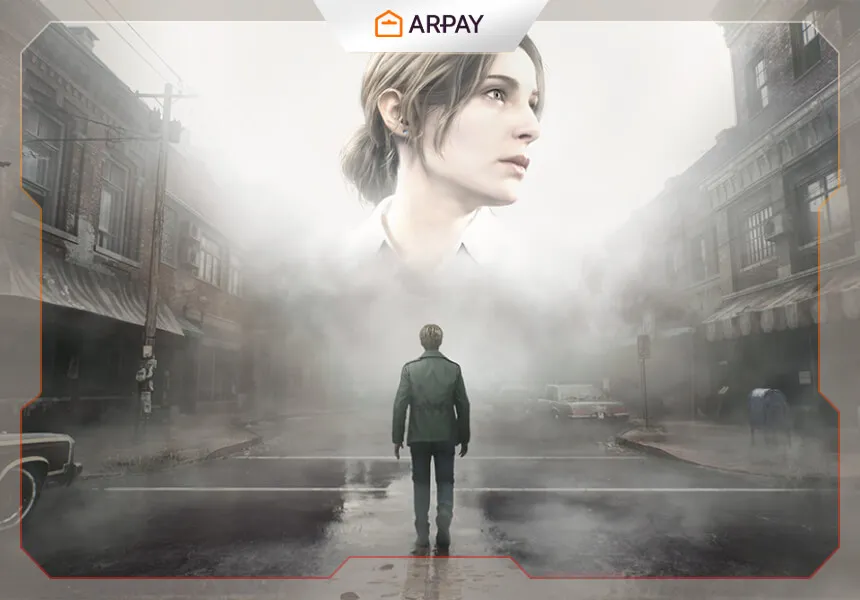
Are you ready to explore the chilling world of one of the most iconic horror games ever created? Silent Hill 2 stands as a timeless psychological horror classic—famous for oppressive atmosphere, unsettling sound design, and a story that keeps you questioning what’s real and what’s denial. Even in 2026, it remains a benchmark for how games can tell horror through emotion, symbolism, and quiet dread rather than constant jump scares.
Originally developed by Konami, Silent Hill 2 first released on September 24, 2001 for PlayStation 2, and later saw versions on Xbox and PC, plus inclusion in HD collections on later consoles. Availability of specific versions and storefront listings can vary by region and platform as of 2026.
Silent Hill 2 Plot and Storylines
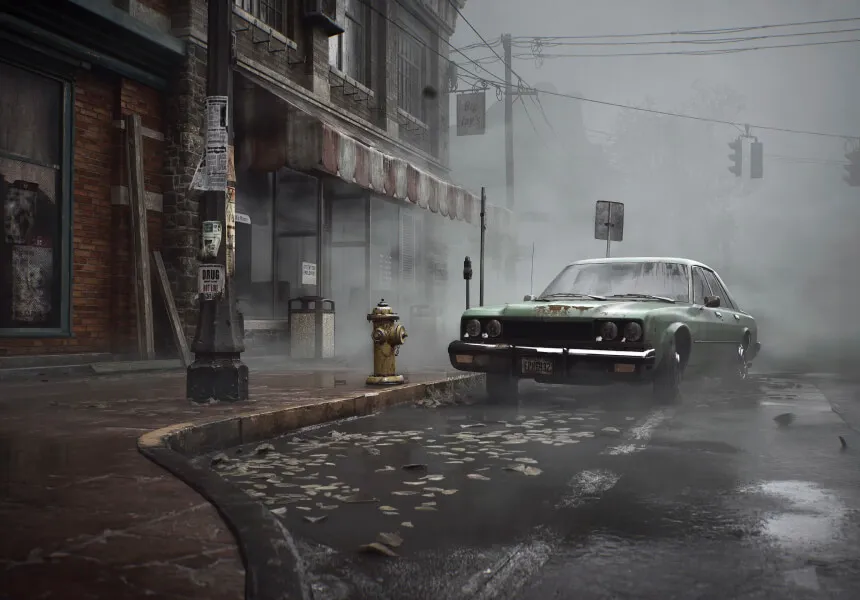
Silent Hill 2 follows James Sunderland, who receives a letter from his deceased wife, Mary, asking him to meet her in Silent Hill—at their “special place.” Driven by grief and confusion, James enters the foggy town and quickly finds that it reflects something darker than abandoned streets and broken buildings. The deeper he goes, the more the environment and the people he meets seem to press on his guilt, trauma, and denial.
Along the way, James encounters characters whose stories echo the game’s themes—each one carrying their own pain, secrets, and contradictions. Without spoiling the full arc, these relationships are a big reason Silent Hill 2 still hits so hard: the horror isn’t only in monsters, it’s in what the town coaxes out of people.
- Maria is a mysterious woman who resembles Mary, but with a very different presence and personality.
- Angela Orosco is a young woman searching for her mother, shaped by a traumatic past.
- Eddie Dombrowski is a disturbed man whose history of bullying and humiliation warps how he sees the world.
Silent Hill 2 Gameplay Mechanics
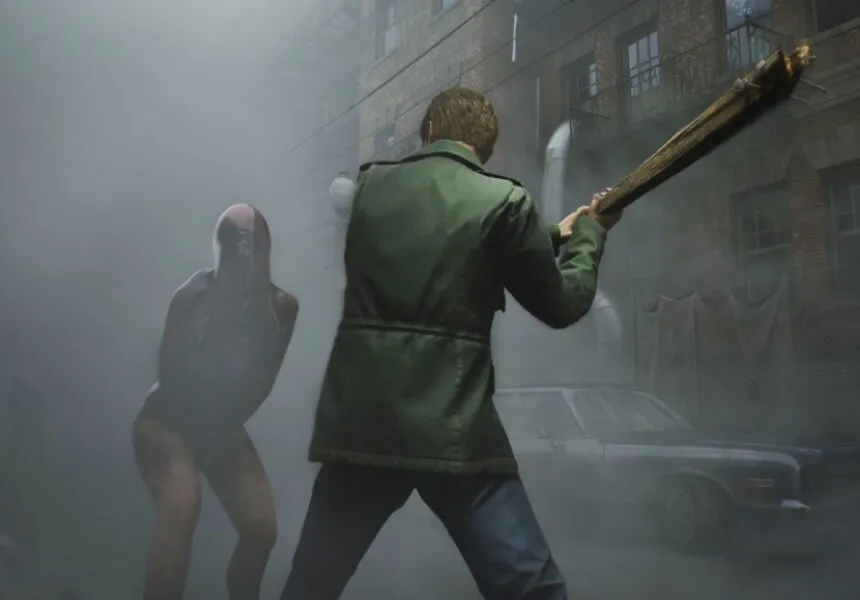
At its core, Silent Hill 2 mixes exploration, puzzle-solving, and combat—then uses that structure to build tension. You’re often forced to push forward with limited visibility and limited supplies, and the game’s pacing deliberately makes you sit in uncertainty. The town’s fog and darkness don’t just look spooky; they restrict information, turning every corridor into a question mark.
If you’re returning in 2026, it helps to adjust expectations: combat can feel clunky compared to modern action games, but that awkwardness is part of the design. Silent Hill 2 wants you to feel vulnerable, not powerful. Treat combat as a tool you use when necessary—not the main way you express mastery.
Key gameplay elements include:
- Exploration: Search foggy streets, apartments, hospitals, and other haunted locations. The environment is packed with mood-setting details, and small routes can hide essential supplies.
- Combat: Use melee weapons and firearms against a range of enemies. The pacing and movement are intentionally restrictive, so spacing and patience matter more than flashy skill.
- Puzzles: Many puzzles are narrative-adjacent—meaning the solution isn’t just logic, it’s attention to notes, symbols, and context. When stuck, re-check the room for a detail you dismissed as “set dressing.”
- Multiple endings: Your actions and priorities across the playthrough influence the ending, encouraging replay and reinterpretation rather than a single “correct” resolution.
Silent Hill 2 Themes and Symbolism
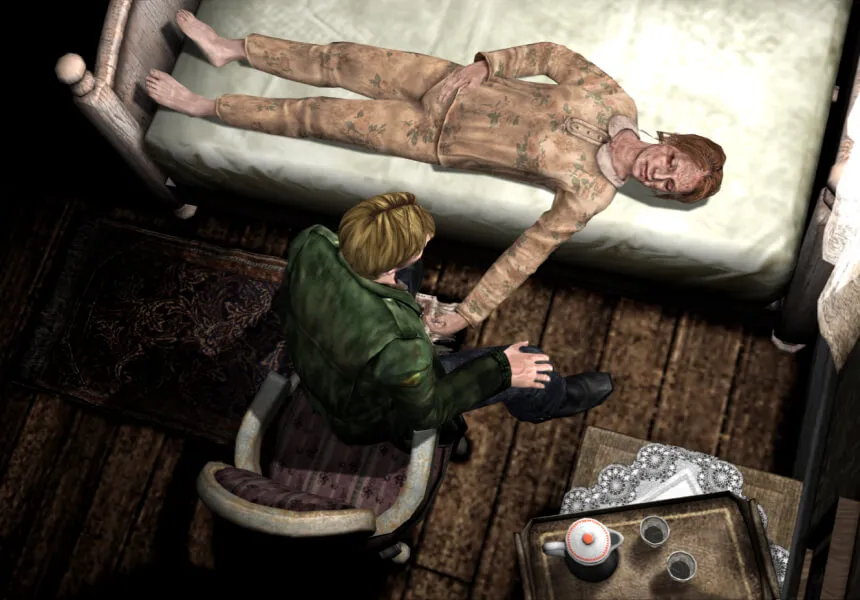
Silent Hill 2’s atmosphere isn’t just “spooky”—it’s expressive. The fog, the empty spaces, and the shifting architecture mirror the characters’ inner worlds. The town feels like a living pressure chamber: it isolates you, blurs certainty, and forces you to sit with uncomfortable ideas.
What makes Silent Hill 2 endure is how it turns horror into interpretation. Many enemies and locations can be read as symbolic—less “random monster design” and more visual language for guilt, repression, desire, and punishment. Even if you don’t chase theories, the game’s mood works on instinct: you feel watched, judged, and cornered.
Thematically, Silent Hill 2 explores:
- Psychological horror: Fear rooted in the mind—trauma, denial, grief, and self-deception—rather than only external threats.
- Surrealism and symbolism: Dreamlike imagery and unsettling logic that suggests meaning without always stating it directly.
- Emotional depth: Moral ambiguity, complicated relationships, and the discomfort of realizing a character’s pain doesn’t automatically make them innocent.
Conclusion
Silent Hill 2 remains one of the most influential psychological horror games ever made, not because it’s “scary” in a simple way, but because it’s haunting. It uses atmosphere as storytelling, puzzles as character study, and discomfort as a theme rather than a side effect.
If you’re revisiting it in 2026, go in with patience: take notes, listen to the sound cues, and let the slower pacing do its work. And if you’re topping up your gaming wallet before a horror marathon, AR-PAY Gaming is a quick one-stop option for gaming credit and gift cards.