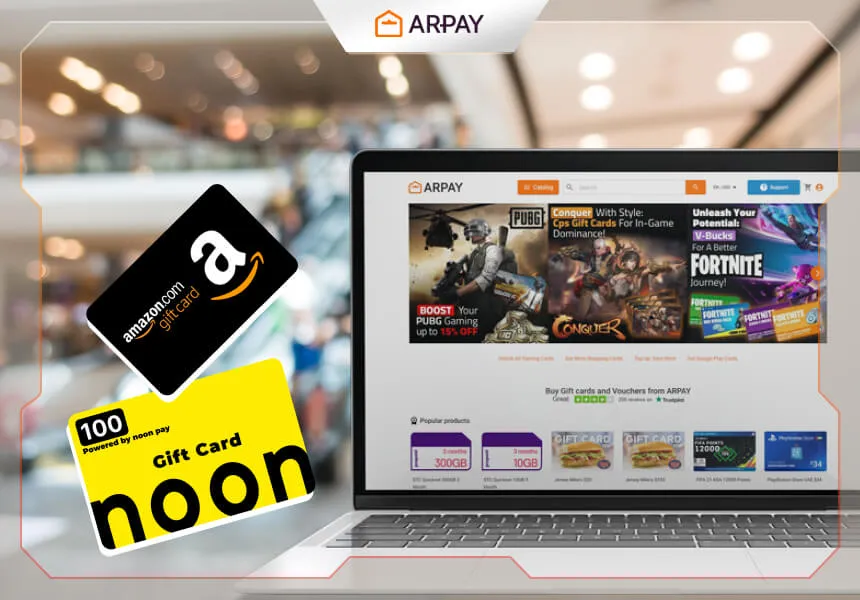
Gift cards have changed how many people approach gift-giving and online shopping, offering a flexible alternative to traditional presents.
These digital or physical tokens act as prepaid vouchers you can use to buy goods or services from a specific retailer or platform.
They remove a lot of the guesswork: the recipient still gets the thoughtful gesture, but they also get the freedom to choose what they actually want.
In 2026, gift cards remain popular because they’re simple. They can fit nearly any occasion—birthdays, holidays, graduations, thank-yous—and they solve one of the biggest shopping problems: “I don’t know what to buy, but I want it to be useful.”
That said, gift cards aren’t perfect. To use them well, it helps to understand where they shine (budgeting, gifting, and convenience) and where they can disappoint (fees, restrictions, and expiry rules).
Why do gift cards outshine other methods for online shopping?
Gift cards can offer advantages over other payment methods for online shopping. Here are the most common reasons they’re still a favorite in 2026—especially for gifting and controlled spending.
Convenience
Gift cards are usually redeemed with a code, so you don’t have to share credit card or bank details at checkout.
They’re also practical for last-minute gifts: digital delivery means you can send something meaningful even when shipping is impossible. Delivery timing can vary by retailer and payment verification.
Budget control
A gift card sets a clear spending limit. You can only spend what’s on the card, which can help reduce overspending and impulsive purchases.
This is especially helpful during seasonal sales when it’s easy to keep adding “just one more thing” to your cart.
Safety and security
Because many gift cards don’t require you to enter primary banking details, they can reduce the risk of exposing sensitive financial information.
However, they’re not automatically “safer” than cards with fraud protection. If someone steals a gift card code, they may be able to spend it quickly. Always treat a gift card code like cash.
Flexibility and choice
Gift cards let the recipient pick what they want, which helps avoid returns, duplicates, and awkward “thanks… I’ll never use this” moments.
They can also cover a wide range of products and services depending on the retailer—fashion, electronics, food delivery, gaming, and more.
On expiry: some gift cards have long validity or no expiry, while others have strict timelines. Don’t assume “no expiry” in 2026—always check the terms for the specific card you buy.
Ideal for gifts
Gift cards remove pressure from the giver and give the receiver control. That balance—thoughtfulness plus freedom—is why they work for so many occasions.
Promotions and incentives
Retailers sometimes run promotions that add bonus value to gift cards or offer discounts tied to gift card purchases.
Promos are not constant and can be limited by region, brand, and timing, so confirm the current offer details before buying a card specifically for a promotion.
Global acceptance
Some gift cards can be used internationally, but this depends on the brand, region locks, and the account country of the recipient.
If you’re gifting across borders in 2026, check the gift card’s country/currency rules first so the recipient doesn’t get stuck with a code they can’t redeem.
Digital delivery
Digital gift cards can be delivered quickly by email or message. That speed makes them useful for last-minute gifting and for people who live in different cities.
Just make sure the recipient redeems promptly and stores the code safely—screenshots can get lost, and inboxes get crowded.
Returns and exchanges simplified (sometimes)
Some retailers can process refunds back to store credit or gift card balance, which can make returns simpler.
Refund behavior depends on the store’s policy and the payment method used, so check return terms before you buy if refunds matter to you.
Disadvantages of gift cards
To choose a gift card smartly, it helps to know where they fall short. In 2026, these are the most common downsides:
- Impersonal: Gift cards can feel less personal than a carefully chosen gift—unless you pair them with a note that explains why you picked that brand or category.
- Fees and expirations: Some gift cards have fees or expiration dates that reduce value over time. Always read the card’s terms before purchase.
- Limited use: Many gift cards work only on one brand or in one region, which can be inconvenient if the recipient doesn’t shop there.
- Risk of loss or theft: If a code is stolen, recovery may be difficult. Some issuers can help if you have proof of purchase, but protection varies.
- Unused value: People sometimes forget to spend the full balance, leaving money behind. The fix is simple: redeem promptly, track the balance, and plan a “finish the card” purchase when the remaining amount is small.
Gift card vs debit card
Gift cards and debit cards can both work for online shopping, but they’re designed for different goals.
If you’re deciding between the two in 2026, think in terms of control vs. protection: gift cards are great for capped spending and gifting, while debit cards are built for everyday personal finance with bank-level security and account access.
Gift cards
Purpose: Mainly used for gifting or as a spending cap for specific stores or platforms.
Funding: Preloaded with a fixed value. Some cards are reloadable, many are not.
Ownership: Often not tied to a specific person—anyone who has the code/card can use it.
Fees/expiry: Possible fees and expiration depending on issuer and local laws.
Security: If lost or stolen, recovery may be limited unless the issuer offers replacement with proof of purchase.
Debit cards
Purpose: Linked to a bank account for everyday purchases and cash withdrawals.
Funding: Uses your checking balance (minus any holds/pending transactions).
Ownership: Tied to the account holder’s identity.
Fees: Depends on the bank and account type (possible ATM or overdraft-related fees).
Security: Typically stronger protections and easier cancellation/replacement if compromised, but policies vary by bank and country.
Conclusion
Gift cards can be a great choice when you want convenience, budgeting control, and an easy-to-send gift.
In 2026, the best approach is to pick a card that matches the recipient’s real habits, then check the details that matter most: where it can be redeemed, whether it expires, and whether any fees apply.
Gift cards won’t replace debit cards for everyday banking, but for gifting and controlled online shopping, they’re still one of the simplest tools you can use—especially when you choose them thoughtfully.