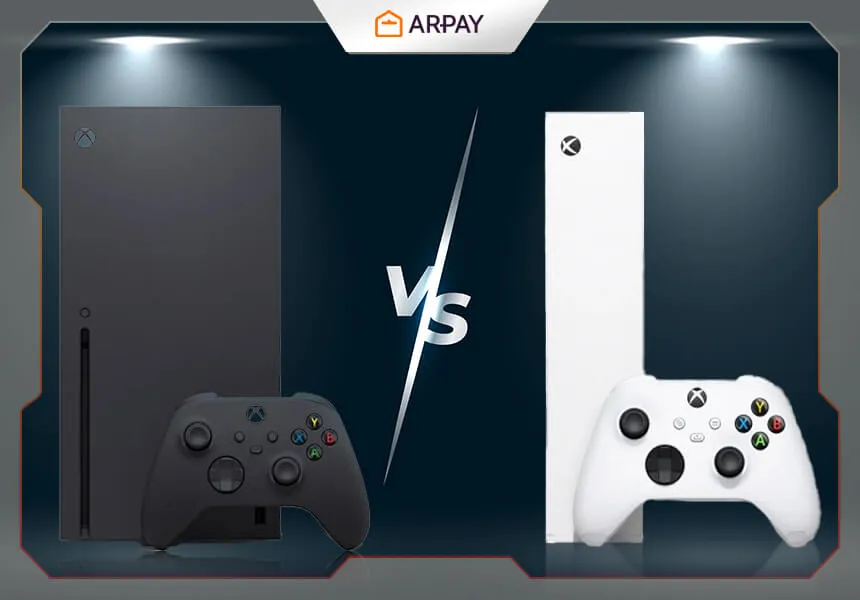
In 2026, the Xbox Series S and Xbox Series X still represent one of the clearest split decisions in console gaming. This is not really a battle between good and bad hardware. It is a question of priorities. One machine is built to push visual quality, storage, and flexibility harder. The other is designed to deliver a leaner, more affordable path into the same modern Xbox ecosystem. If you are trying to decide between them today, the smartest move is to compare how each console fits your screen, your budget, and the way you actually buy and play games.
The original article got the big idea right: Series X is the premium option, while Series S is the practical one. That framing still works in 2026. What matters now is understanding where that difference shows up most clearly in everyday use, because both systems can access the same broad Xbox generation, but they do not always deliver the same convenience or the same level of visual headroom.
Visual performance: 4K ambition versus efficient balance
The biggest divide is still visual target. Xbox Series X is the stronger machine for players who care about native 4K presentation, higher-end texture quality, and more breathing room for demanding effects. If you own a 4K TV and want your console to make the most of it, Series X remains the safer pick. It is the model built to chase sharper images and stronger visual settings with fewer compromises.
Series S, by contrast, is better understood as a smart-resolution console. It is built for players who are comfortable prioritizing solid performance and next-gen loading over absolute image sharpness. On a 1080p display or a good 1440p monitor, that trade-off can feel perfectly reasonable. On a large 4K screen, the difference becomes easier to notice. That does not make Series S weak. It just makes it more selective about where it spends its power.
This is also where expectations matter. If your dream is to squeeze the most visual polish possible out of every new release, Series X is the obvious fit. If you mostly care that games load quickly, feel responsive, and still look modern without costing as much up front, Series S remains a persuasive alternative.
Storage and hardware flexibility
Storage is one of the most practical reasons people end up happier with Series X. The original comparison correctly pointed out that the extra internal space matters in an era of huge game installs. That is still true in 2026. Exact bundled storage configurations and model variants may differ by retailer or edition, so specific package assumptions should be checked before buying. [] But the broader truth has not changed: Series X is usually the less frustrating choice if you keep many large games installed at once.
The disc drive is the other major separator. Series X gives you access to physical games, Blu-ray playback, and more flexibility in how you shop. That matters more than many buyers expect. Physical discs can mean used-game bargains, easier borrowing, and a more traditional shelf-based library. Series S removes all of that in exchange for a smaller, cleaner box and a fully digital lifestyle. If you already buy almost everything online, that may not bother you at all. If you still like physical ownership, it matters a lot.
Game library: same ecosystem, not always the same version
One of the strongest points in favor of Series S is that it still lives inside the same Xbox world. You are not cut off from the major library just because you choose the cheaper console. For most buyers, that is the heart of its value. You can still play the generation’s big releases, use Xbox services, and stay part of the same platform conversation.
Still, the original article was right to note that the experience is not always identical. Some games may run at different resolutions, offer fewer visual modes, or make other technical trade-offs on Series S. Specific examples can change over time and should not be treated as universal across every release. [] The important takeaway is simpler: Series S gets you in the door, but Series X more often gives developers room to stretch.
Which console fits which player?
Choose Xbox Series X if your setup and habits reward premium hardware. That usually means you already own a 4K TV, care about visual quality, want more internal storage comfort, or still buy physical discs. It is also the better choice for players who hate compromise and would rather spend more once than wonder later whether they should have gone bigger.
Choose Xbox Series S if cost, compactness, and digital convenience matter more than maximum image quality. It is a strong fit for smaller rooms, secondary setups, younger players, budget-conscious households, and anyone who mainly wants access to modern Xbox gaming without paying for features they will barely use. It is especially easy to recommend if you play on a 1080p or 1440p display and do not care about discs.
That is why this comparison has lasted. Microsoft’s split was not arbitrary. It created two clear identities. Series X says, “I want the best version I can reasonably get.” Series S says, “I want the most efficient route into this generation.” Both are valid. The better buy depends on how honest you are about your own habits.
Gift cards, digital buying, and value
The original article leaned heavily into Xbox gift cards, and the core idea still makes sense. If you are buying digital games, subscriptions, add-ons, or downloadable content, account credit remains one of the cleanest ways to manage spending. What should be treated carefully are any claims that imply exact subscription benefits, current redemption flows, or storefront offers never change. [] But as a budgeting tool, gift card credit is still useful, especially for Series S owners who live entirely in the digital store.
Final verdict
In 2026, Xbox Series X is still the better console in raw capability, but that does not automatically make it the right console for everyone. Series S remains a smart machine because it cuts cost and size without cutting you out of the generation. If you want premium visuals, more storage comfort, and physical media support, Series X is the confident recommendation. If you want affordable next-gen access and you are happy to stay digital, Series S is still doing exactly what it was designed to do.
The real answer is not about which console wins on paper. It is about which one fits the screen you own, the games you buy, and the amount you actually want to spend. Once you answer those three questions honestly, the choice gets much easier.