
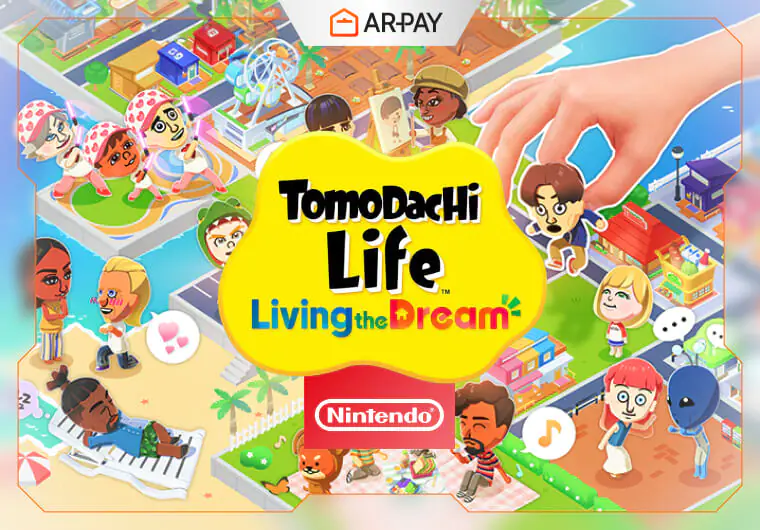
The video game landscape of 2026 is dominated by sprawling open worlds, photorealistic graphics, and competitive eSports leagues that demand precision and dedication. But sometimes, the greatest escapes are found in the smallest, strangest digital worlds. Imagine a game where failure is impossible, missions do not exist, and the main goal is simply to observe the delightful, messy lives unfolding before you. Welcome back to Tomodachi Life: Living the Dream, Nintendo’s bizarre, deeply personal, and unforgettable simulation for the Nintendo 3DS.
- What is Tomodachi Life: Living the Dream?
- Why Does “Living the Dream” Connect So Much with Players?
- Core Elements Shaping the Gameplay Experience
- Relationships, Dramas, and Island Culture
- Player Control, Consequences, and Ethical Choices
- How Does Tomodachi Life Compare to Other Life Simulations?
- Why Can’t Another Game Perfectly Replace It?
- Is Tomodachi Life Still Worth Playing Today?
- Conclusion
- FAQs
Released over a decade ago, this title was never meant to be a mainstream blockbuster. Instead, it feels like a quirky social experiment hidden inside a sandbox experience. Players create an island filled with custom Mii avatars, whether they are friends, family, celebrities, or completely fictional personalities, and then step back to watch the chaos unfold. One moment you might witness a spontaneous proposal during a strange rock concert, and the next you see a culinary disaster in the local café. Tomodachi Life behaves less like a traditional game and more like a relaxed, interactive reality show starring people you know. In a gaming world focused on achievements and progression systems, it built a unique identity by embracing pure digital absurdity. As time moves forward and attention shifts to newer consoles, one question still lingers: does this cult classic deserve a place in today’s gaming lineup?
What is Tomodachi Life: Living the Dream?
Tomodachi Life is a life simulation game developed by Nintendo for the 3DS. The phrase “Living the Dream” represents the player establishing their own island and truly living out their aspirations.
The core of the game includes:
- You create Mii characters and place them on the island.
- You watch their relationships, fights, and happiness.
- You solve their daily problems.
- You enjoy unexpected moments.
This game is not a typical simulation. It feels more like a social experiment. Watching your Miis fall in love with each other or cause island-wide drama goes far beyond a standard gaming experience.
Discover the most exciting innovations in the gaming world with the latest news from ARPay!

Why Does “Living the Dream” Connect So Much with Players?
The appeal of this game lies in a few key points.
- Emotional Connection: Every Mii has the potential to represent a real person. This makes the game extremely personal.
- Nostalgia: For those who lived through the 3DS era, this game has become a symbol of their growing-up years.
- Unpredictability: Something new happens on the island every day. No two sessions are alike.
- Humor: Mii confession videos and concerts that went viral on social media highlight just how absurd and entertaining the game is.
Stress-Free Escape: A Non-Pressured Experience
In Tomodachi Life, there is no failure. There is no game over where you lose everything. This feature transforms the game into the perfect escape point for both casual players and hardcore fans.
Other life simulations constantly push you to produce and optimize. Here, you are just curious. And that curiosity keeps you tethered to the island.
Core Elements Shaping the Gameplay Experience
There are several fundamental mechanics that create the immersive nature of Tomodachi Life:
- Island management: You meet the needs of the residents.
- Daily visits: You encounter a new surprise every day.
- Randomness: The game generates different scenarios every time.
- Dream sequences: Your Miis’ dreams are completely absurd and hilarious.
- Surprise marriages: Two characters you never expected suddenly become a couple.
This randomness incredibly increases the game’s replay value. Players return to the island every day wondering, “What will happen today?”
Relationships, Dramas, and Island Culture
The island’s strongest aspect is its organic storytelling. Romantic relationships form, rivalries emerge, and breakups occur. You either witness all of this or participate in it. And this process makes you a part of the island’s history. Over time, you genuinely start to care about these digital lives.
Read More: 5 Reasons Animal Crossing: New Horizons Still Feels Magical
Player Control, Consequences, and Ethical Choices
Living the Dream brings responsibility along with freedom. You can remove a resident from the island. You can neglect them. And the game notices.
The real dilemma, known to make players pause, is deleting Miis that resemble real friends or family members. This small detail shows how deep an emotional bond the game establishes.
Freedom or Responsibility?
This game grants you god-like power. But every decision leaves a permanent mark. When you remove a Mii, you cannot get them back. This creates a much stronger emotional weight than most other simulations. Players who see their snap decisions permanently altering the island’s history still debate this topic.
How Does Tomodachi Life Compare to Other Life Simulations?
There are many life simulations on the market. But Tomodachi Life is unlike any of them.
| Game | Focus Point | Style |
| The Sims | Realistic Life | Structured |
| Animal Crossing | Relaxation, Community | Calm and slow |
| Miitopia | RPG Adventures | Quest-focused |
| Tomodachi Life | Personality Chaos | Unpredictable and Funny |
Tomodachi Life feels more like an interactive reality show. This is why content creators and streamers see viewership numbers rise when they return to this game.
Why Can’t Another Game Perfectly Replace It?
A direct sequel has never been released. This forces fans to keep searching for an alternative to fill the void. Personal Miis cannot be recreated in any other game. Community mods, nostalgia playthroughs, and online discussions prove how strong this loyalty is.
Is Tomodachi Life Still Worth Playing Today?
Short answer: Yes. Long answer: Absolutely yes.
The emergent nature of the game keeps it fresh even years later. Emulation options and demands for a sequel show how vibrant the community remains. It’s particularly noted that players return to this game for “comfort gaming” during stressful periods. The island is always there, waiting for you.
Conclusion
Tomodachi Life: Living the Dream is a shared emotional memory for a generation. With its humor, stress-free escape, player freedom, and nostalgia, this game has left a permanent mark. It has gone down in history as one of Nintendo’s boldest experiments. And that experience continues to breathe today.
Now it’s your turn. Share your most chaotic island moment. Go back to your old save files. Or explore our guides to research this topic further. Because the dream is not over yet.
Enjoy a seamless, secure gaming top-up when you purchase Gift Cards from ARPay.

FAQs
What platform was Tomodachi Life: Living the Dream released on?
The game was developed for the Nintendo 3DS. It can also be played today via emulation.
Will there be a sequel to the game?
No official announcement has been made. However, fan demand remains very high.
Is creating a Mii difficult?
No. The Mii creation process is quite simple and fun. You can create characters based on real people.
How many hours of content does the game offer?
It has no set ending point. The game offers an open-ended experience based on daily check-ins.

Maha Amer
I’m Maha, a Turkish content writer at ARPay Blog. I love helping readers explore the exciting world of gift cards, vouchers and gaming deals. With a focus on delivering up-to-date information, With a guarantee for an easy, quick and 100% safe shopping process.