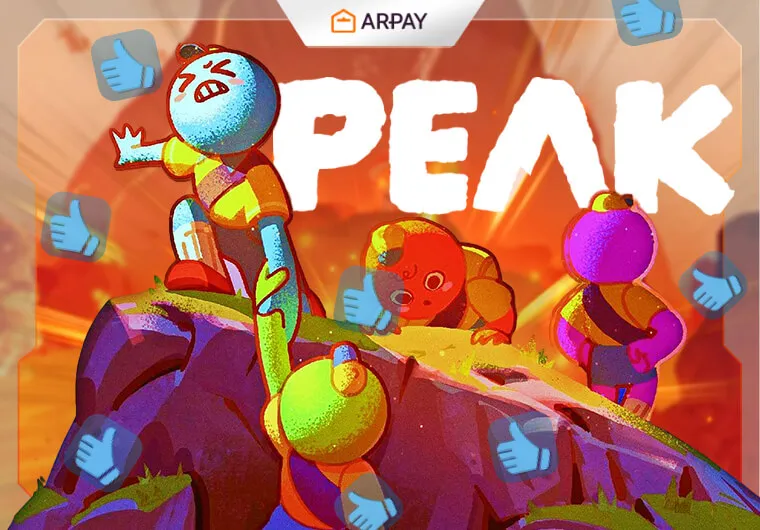
The indie gaming scene has been buzzing since PEAK Steam game made its official debut on the platform. PEAK on Steam has carved out a clear identity in the survival genre by mixing cooperative play, tense climbing, and moments where teamwork matters as much as personal skill. Instead of focusing only on combat or crafting, the game builds its tension around one central idea: you and your team must climb, survive, and help each other reach the top.
Discover the Exciting World of PEAK on Steam
PEAK places players in the role of lost nature scouts stranded on a mysterious island. Their only hope of rescue is to scale the mountain at the center of the island. This simple premise gives the game a strong survival hook, while the climbing systems create constant pressure. Every move can lead to progress, a fall, or a rescue attempt that becomes the most memorable part of the session.
What makes PEAK stand out is not only the climb itself, but the way the game turns small decisions into dramatic moments. Choosing when to rest, where to place your next move, whether to help a teammate, and how to communicate under pressure all shape the experience. The game rewards patience, awareness, and cooperation more than reckless individual heroics.
The Unique Features of PEAK
PEAK stands out from other co-op games through several distinctive features that define its signature gameplay experience.
- Procedural Mountain Generation: every climb presents new challenges with randomly generated terrain, ensuring no two attempts feel the same.
- Physics-Based Climbing System: realistic climbing mechanics where every handhold matters and momentum can be either your friend or your enemy.
- Cooperative Rescue Dynamics: players can help fallen teammates, creating genuine moments of heroism and teamwork.
- Minimalist Visual Design: clean, atmospheric graphics keep attention focused on gameplay rather than visual clutter.
- Cross-Platform Voice Chat: built-in communication tools enhance the cooperative experience.
- Scalable Difficulty: challenges adapt based on group size and player experience.
The charm of PEAK comes from how these systems work together. A route that looks simple can become stressful when stamina runs low, a teammate slips, or the group has to change plans mid-climb. This is where the game creates its best stories.
Gameplay Mechanics That Define PEAK
At its core, PEAK is about reading the mountain, planning your movement, and managing risk. The climbing mechanics make every handhold and movement feel important. Momentum matters, mistakes can quickly become dangerous, and recovery often depends on the team staying calm and communicating clearly.
Because the mountain is procedurally generated, players cannot rely only on memorizing one route. Instead, they must learn how to recognize patterns, judge terrain, and adapt to the conditions in front of them. This helps keep repeated attempts fresh, while also making every successful climb feel earned.
PEAK's System Requirements and Compatibility
Understanding PEAK's technical requirements helps ensure the game runs smoothly, whether you are climbing solo or with a full team. The game is designed to run on a wide range of hardware configurations, making it accessible to many PC players.
Minimum System Requirements for Optimal Performance
- OS: Windows 10 64-bit.
- Processor: Intel i5-4590 / AMD FX 8350.
- Memory: 8 GB RAM.
- Graphics: NVIDIA GTX 970 / AMD R9 280.
- DirectX: Version 11.
- Network: Broadband Internet connection.
- Storage: 4 GB available space.
These specifications are intended to support smooth gameplay at 1080p resolution with medium settings.
Recommended System Specifications for Maximum Enjoyment
- OS: Windows 11 64-bit.
- Processor: Intel i7-8700K / AMD Ryzen 5 3600.
- Memory: 16 GB RAM.
- Graphics: NVIDIA RTX 3060 / AMD RX 6600 XT.
- DirectX: Version 12.
- Network: Stable broadband connection.
- Storage: 8 GB available space, with SSD recommended.
These enhanced specifications unlock higher visual fidelity, improved physics calculations, and smoother multiplayer performance, especially when playing with larger groups or streaming.
PEAK Tips and Tricks for New Players
Starting your PEAK journey can feel intimidating, but the first climbs become easier when you focus on fundamentals rather than rushing to the top. The game is built around teamwork, route planning, and learning from mistakes, so early failures are part of the process.
- Master the basics first: practice climbing controls in easier areas before attempting difficult routes.
- Communication is key: use voice chat to coordinate movement and warn teammates about hazards.
- Plan your route: study the mountain before climbing and identify rest points and possible dangers.
- Manage your stamina: steady, controlled movement conserves energy better than frantic climbing.
- Help your team: prioritize teammate rescues over personal progress.
- Learn from failures: every fall can teach route planning and risk management.
- Start small: begin with 2-player teams before attempting larger group climbs.
New players should remember that PEAK rewards patience and teamwork over individual heroics. The fastest climber is not always the most useful teammate; sometimes the best player is the one who keeps the group alive.
Advanced Strategies for Seasoned Gamers
Experienced players can raise their performance by treating each climb like a tactical challenge. Instead of reacting only when things go wrong, advanced teams learn to predict risk before it happens.
- Route Optimization: identify efficient paths by reading terrain patterns and judging risk versus reward.
- Advanced Rescue Techniques: master complex rescue scenarios, including multi-person chains and emergency route changes.
- Weather Pattern Recognition: anticipate environmental changes and position your team accordingly.
These techniques help experienced groups move more confidently through difficult climbs. The more you understand terrain, timing, and team positioning, the more consistent your runs become.
Why PEAK Works as a Co-op Survival Game
PEAK works because its pressure feels shared. When one player slips, everyone feels the consequences. When a rescue succeeds, the whole group remembers it. This cooperative structure gives the game a social energy that many survival games try to create but do not always achieve.
The minimalist visual design also supports the experience. Instead of overwhelming players with clutter, the game keeps attention on the climb, the mountain, and the team. Combined with cross-platform voice chat and scalable difficulty, PEAK becomes accessible without losing tension.
Final Thoughts
PEAK on Steam offers a focused survival experience built around climbing, cooperation, and memorable near-disaster moments. Its procedural mountains, physics-based movement, rescue dynamics, and scalable difficulty create a game where each climb can feel different. For new players, the best advice is to start small, communicate clearly, manage stamina, and treat every fall as a lesson. For seasoned gamers, the challenge comes from optimizing routes, mastering rescues, and reading the mountain before it punishes a mistake.
If you enjoy co-op games that reward trust, patience, and smart planning, PEAK is a strong indie survival title to watch and play. It is not just about reaching the top; it is about how your team gets there together.